Shaping the Future: Highlights from Cambridge Tech Week 2025
By Tanveer Ahmed :
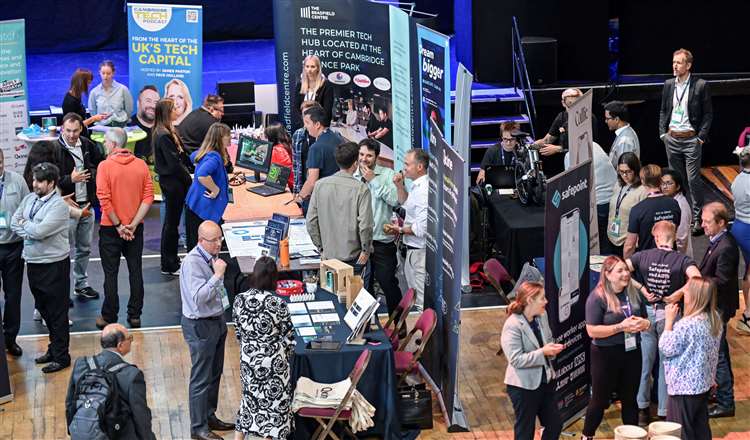
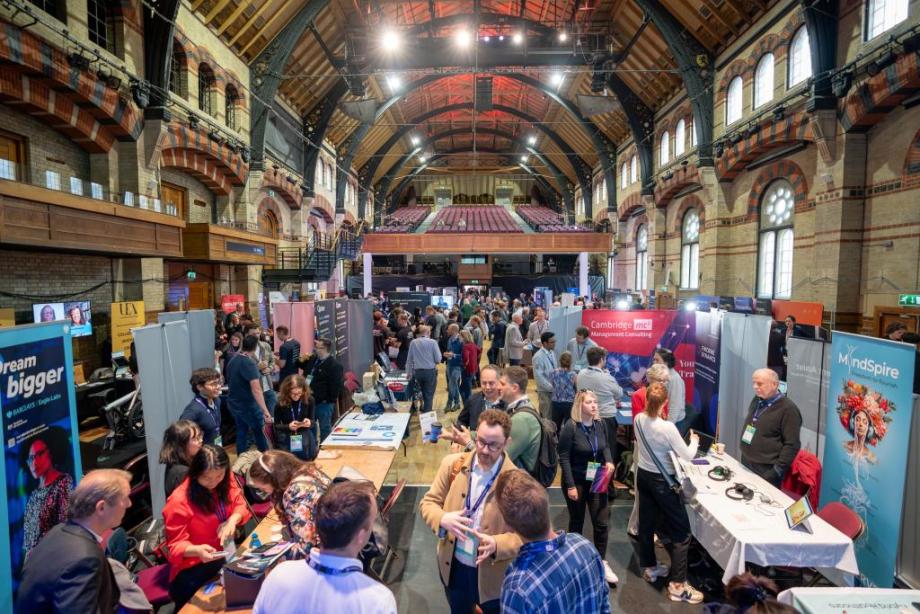
Cambridge Tech Week 2025 concluded on a high note this week, bringing together over 35,000 participants from across the globe to explore the latest advancements in technology, innovation, and digital transformation. The week-long event, hosted in multiple venues across Cambridge, highlighted the city’s growing status as a global hub for tech innovation and entrepreneurship.
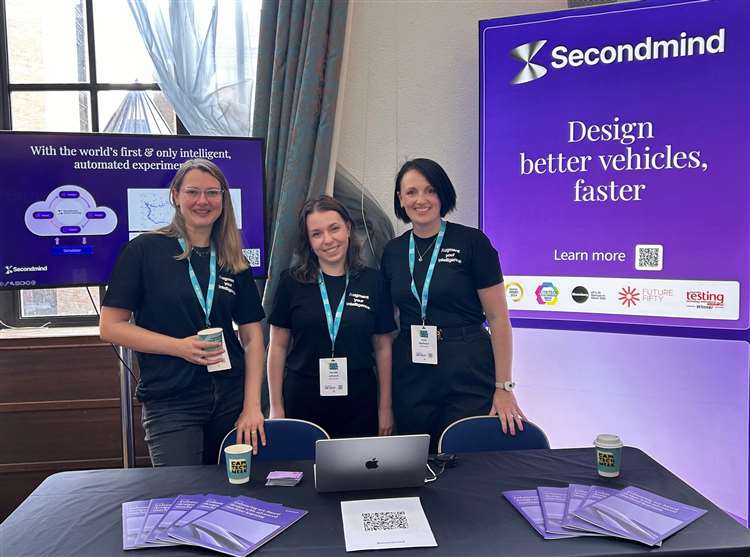
The event attracted an eclectic mix of attendees, including startup founders, investors, academics, policymakers, and technology enthusiasts. Over 1,500 companies, ranging from established multinational corporations to early-stage startups, showcased their products and services through exhibitions, workshops, and interactive demonstrations.
Organizers emphasized that Cambridge Tech Week 2025 was designed to foster collaboration, knowledge sharing, and partnerships between innovators, academia, and industry leaders. The week-long agenda included keynote speeches, panel discussions, masterclasses, and networking sessions covering AI, machine learning, robotics, FinTech, cybersecurity, and sustainability.
Artificial Intelligence and Machine Learning Take Center Stage
Artificial intelligence (AI) was one of the dominant themes throughout Cambridge Tech Week 2025. Experts discussed the accelerating adoption of AI across sectors, highlighting applications in healthcare, finance, education, and public services.
During a keynote session, Dr. Eleanor Hayes, AI Research Director at a leading Cambridge-based technology firm, emphasized the transformative potential of AI. “AI is now embedded in everyday operations. From predictive analytics to personalized user experiences, organizations that harness AI effectively gain a competitive advantage,” she said.
Interactive demonstrations included AI-powered diagnostic tools for healthcare, intelligent logistics and supply chain solutions, and machine learning platforms capable of processing large datasets for business insights. Several startups showcased AI systems that detect cybersecurity threats in real time, a critical need as cyberattacks become increasingly sophisticated.
Panel discussions also addressed the ethical challenges of AI deployment. Experts stressed the importance of transparency, fairness, and accountability, particularly in high-stakes sectors like finance and healthcare. Attendees engaged in lively debates about regulation, data privacy, and the role of AI in societal decision-making.
Startups and Innovation Ecosystem
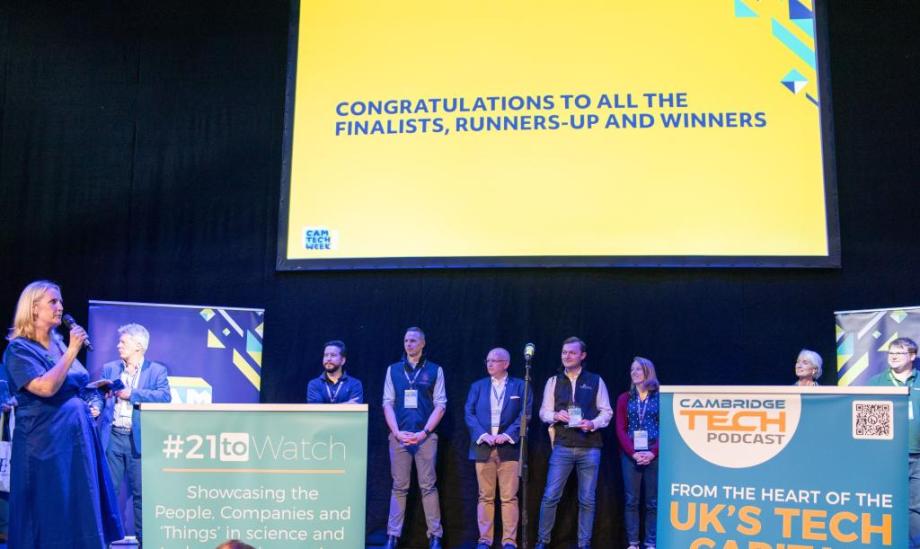
Cambridge Tech Week 2025 highlighted the city’s thriving startup ecosystem. The Innovation Hub, one of the event’s central spaces, featured over 200 early-stage startups presenting cutting-edge solutions.
Innovations ranged from remote health-monitoring devices and robotics-assisted manufacturing systems to AR/VR applications for education and immersive learning experiences. Startups also presented green-tech solutions, such as AI-driven energy optimization systems, smart grids, and sustainable urban mobility platforms.
Investor interest was high, with venture capitalists and angel investors scouting for promising projects. Sarah Malik, a venture partner at a UK-based investment firm, noted, “Cambridge continues to produce startups with global potential. The mix of academic research, entrepreneurial talent, and access to capital makes this ecosystem uniquely competitive.”
Tech for Sustainability and Climate Action
Sustainability was a key focus during Cambridge Tech Week 2025. Panels explored how technology can address pressing environmental challenges, from energy efficiency to carbon reduction and sustainable supply chains.
Presentations included smart city projects designed to optimize traffic and energy consumption, AI-driven systems to monitor pollution levels, and innovations in renewable energy management. Experts highlighted the role of technology in helping businesses meet sustainability targets and comply with evolving regulations.
Jessica Thompson, Director of Sustainability at a leading Cambridge tech incubator, said, “Technology is essential in achieving climate goals. From clean energy innovations to smarter resource management, startups and established companies alike must prioritize sustainability as a core business objective.”
FinTech Innovations and Digital Payments
Financial technology remained a major attraction, with several sessions dedicated to FinTech solutions. Presenters highlighted trends in digital banking, blockchain, cryptocurrency, and financial inclusion.
Attendees explored decentralized finance (DeFi) platforms, AI-powered credit scoring, and real-time payments systems. The discussions emphasized regulatory frameworks, particularly the balance between innovation and consumer protection. Several startups demonstrated contactless and mobile payment solutions, highlighting the increasing shift towards a cashless economy.
Experts stressed that FinTech innovations are not limited to financial institutions but are increasingly being embedded in retail, healthcare, and logistics applications. This embedded finance trend was highlighted as a critical driver of digital transformation across sectors.
Cybersecurity and Data Protection
With rising digital adoption, cybersecurity and data protection were central themes at Cambridge Tech Week 2025. Sessions addressed the growing threat of ransomware, phishing attacks, and vulnerabilities in cloud and IoT systems.
Workshops provided hands-on demonstrations of advanced threat detection, zero-trust security models, and multi-factor authentication protocols. Speakers emphasized the need for proactive risk management, as organizations face increasingly sophisticated cyber threats.
The UK’s National Cyber Security Centre (NCSC) participated in discussions, highlighting the importance of public-private collaboration and the role of policy in supporting a resilient digital ecosystem. Attendees also learned about emerging standards for ethical data use and compliance with regulations such as GDPR.
Robotics, AR, and VR
Robotics and immersive technologies were prominently featured, showcasing their expanding applications in manufacturing, logistics, healthcare, and education. Demonstrations included robotic arms for precision assembly, autonomous warehouse vehicles, and exoskeletons for workplace safety.
AR and VR applications were highlighted for training, immersive learning, and simulation-based education. Attendees experienced VR classrooms, AR-enhanced retail displays, and remote collaboration tools that are redefining work and learning environments.
Oliver Wright, CTO of a Cambridge-based immersive technology company, said, “The adoption of AR and VR is accelerating across industries. These technologies are no longer experimental—they are becoming essential tools for productivity, engagement, and skill development.”
Policy, Regulation, and Ethics
Throughout the week, government officials and policymakers participated in discussions on regulation, AI ethics, and data governance. Keynote sessions addressed how governments can support innovation while safeguarding citizens and businesses.
Experts highlighted the need for clear regulatory frameworks to enable responsible technology adoption, particularly in emerging sectors like AI, blockchain, and autonomous systems. Panels also explored international collaboration, highlighting opportunities for knowledge exchange and cross-border partnerships.
Global Collaboration and Networking
Cambridge Tech Week 2025 attracted participants from across Europe, Asia, North America, and the Middle East. Delegations included tech firms, academic institutions, investors, and government representatives, emphasizing Cambridge’s role as a global innovation hub.
The event offered extensive networking opportunities, from structured B2B meetings to informal social gatherings. Entrepreneurs connected with investors, corporates, and academic researchers, fostering collaborations that could lead to global partnerships and commercialization opportunities.
Workshops and masterclasses provided practical insights into technology adoption, market trends, and operational best practices. Participants left with actionable strategies to implement innovation in their organizations.
Health-Tech and Life Sciences
Cambridge Tech Week 2025 also highlighted innovations in health-tech and life sciences. Startups showcased AI-driven diagnostic tools, wearable health monitors, and telemedicine platforms aimed at improving patient care and accessibility.
Discussions included the integration of AI in drug discovery, personalized treatment planning, and predictive analytics for healthcare management. Researchers emphasized collaboration between biotech companies, hospitals, and technology firms to accelerate innovation while ensuring patient safety and data privacy.
Education, Skills, and Talent Development
A recurring theme throughout the week was the need for skills development and education to support the rapidly evolving tech landscape. Sessions focused on coding, data literacy, AI ethics, and leadership skills for the digital age.
Universities and training providers highlighted programs to equip students and professionals with the skills required to succeed in emerging fields. Experts emphasized that fostering a talent pipeline is critical to sustaining innovation and maintaining competitive advantage.
Cambridge as a Global Tech Hub
Cambridge Tech Week 2025 reaffirmed the city’s position as a world-leading technology ecosystem. The event showcased the transformative potential of AI, FinTech, robotics, AR/VR, and sustainable technologies, while fostering collaboration between startups, corporates, academia, and government.
Organizers announced that the 2026 edition of Cambridge Tech Week will build on this momentum, with expanded participation, new thematic tracks, and a stronger focus on AI ethics, sustainability, and digital inclusion. Participants left inspired by the innovations showcased and equipped with insights to implement future-ready technologies in their organizations.
As Cambridge Tech Week 2025 drew to a close, attendees highlighted the importance of collaboration, ethical innovation, and continuous learning. The event demonstrated that technology is not just a tool for growth but a driver of social progress, environmental sustainability, and global connectivity.
About Author