IBC 2025 Showcases the Future of Broadcasting and Media Technology in Amsterdam
By Tanveer Ahmed :
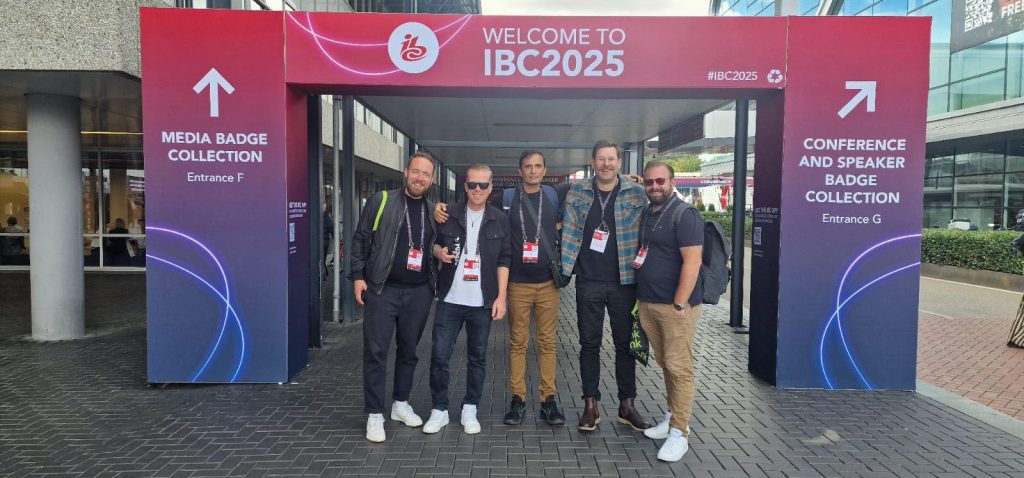
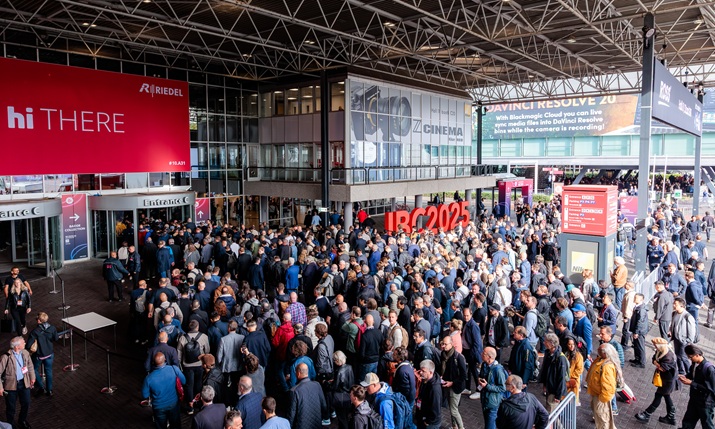
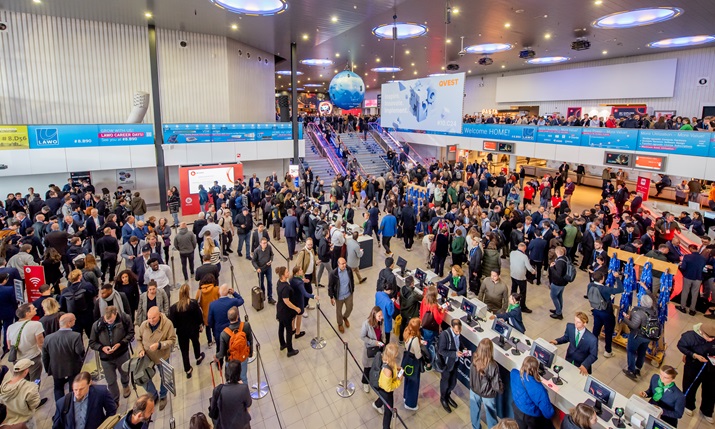
The International Broadcasting Convention 2025 (IBC 2025) opened its doors in Amsterdam this week, establishing itself once again as the premier global gathering for media, entertainment, and technology professionals. Hosted at the RAI Amsterdam, the event attracted over 40,000 attendees and more than 1,700 exhibitors from around the world, demonstrating the scale, scope, and influence of this year’s edition. From artificial intelligence to cloud production, from immersive media experiences to next-generation broadcasting workflows, IBC 2025 served as a definitive barometer of the current trends and future directions of the industry.
IBC has long been recognized as the platform where technology meets creativity. For 2025, the convention emphasized a blend of innovation and pragmatism, showcasing how broadcasters and content creators can leverage cutting-edge technology to respond to changing audience habits and the growing demand for personalized, on-demand media experiences. The exhibition featured over 10 halls of live demonstrations, interactive installations, and hands-on workshops, making it a must-visit for industry insiders, investors, and technology developers alike.
Artificial Intelligence Drives Transformation in Media
Artificial intelligence (AI) dominated conversations at IBC 2025, reflecting the industry’s accelerating embrace of intelligent technology. Exhibitors showcased AI-powered solutions for automated editing, content indexing, real-time translation, subtitling, and predictive analytics, offering broadcasters new ways to optimize production efficiency and enhance audience engagement. AI-driven recommendation engines, for example, are being deployed to increase viewer retention on streaming platforms, while automated workflows reduce production timelines for live events and post-production processes.
Dr. Lianne Meijer, Chief Technology Officer at a leading European broadcaster, highlighted during a panel discussion that “AI is no longer an experimental tool. It is integral to the way we produce, distribute, and understand content. It enables broadcasters to deliver personalized experiences at scale while maintaining quality and creativity.” Many exhibitors demonstrated AI-assisted camera tracking, automatic highlight reels for sports events, and real-time audience sentiment analysis. The integration of AI tools into content creation pipelines signals a pivotal shift in the broadcast industry, merging human creativity with computational efficiency.
Cloud and Remote Production Take Center Stage
Cloud technology and remote production solutions were another major highlight of IBC 2025. The COVID-19 pandemic accelerated the adoption of cloud-based workflows, and the convention revealed that broadcasters are now fully embracing cloud infrastructure for live production, post-production, and distribution. Cloud solutions reduce the dependency on physical studios, lower operational costs, and allow for a geographically distributed production workforce.
Several companies demonstrated end-to-end cloud broadcast platforms, where production teams in multiple countries collaborated in real time to deliver live content to audiences worldwide. Interactive demos included multi-camera live streaming with cloud-based editing and virtual sets. Attendees observed how 5G and high-bandwidth internet connectivity have made it feasible to transmit high-quality live feeds from remote locations, creating opportunities for broadcasters to expand their reach and reduce logistical constraints.
Timothy Hawke, Director of Global Media Solutions at a major US tech firm, noted that “cloud production is no longer just a backup or optional workflow. It is the backbone of modern broadcasting. Broadcasters can now scale their operations dynamically, respond to breaking news faster, and experiment with immersive experiences without large capital expenditure.”
Immersive Media and the Rise of AR/VR Experiences
Immersive media was a prominent theme throughout IBC 2025. Augmented reality (AR), virtual reality (VR), and mixed reality (MR) experiences were integrated into multiple exhibition zones, demonstrating how media companies are reimagining storytelling for the next generation of audiences. From live sports to news reporting, immersive technologies are enhancing viewer engagement by providing new perspectives, interactive elements, and real-time statistics.
During a keynote session, Sarah Chen, Head of Innovation at a major UK broadcaster, emphasized that “immersive media allows audiences to participate in stories rather than just consume them. Whether it’s exploring a historical site in VR or overlaying live stats during a football match through AR, the possibilities are limitless.” Companies presented VR live-streaming platforms, 360-degree cameras, volumetric capture studios, and AR-driven graphics for live events, highlighting the growing convergence between gaming, broadcast, and interactive media.
Sports Broadcasting Leads Technological Integration
IBC 2025 also highlighted the critical role of technology in sports broadcasting. Exhibitors demonstrated ultra-high-definition (UHD) cameras, automated replay systems, AI-based analytics for player performance, and cloud-driven highlights packages. The integration of AI and immersive technologies is redefining the viewing experience, enabling broadcasters to offer enhanced visuals, real-time statistics, and multi-angle replays to global audiences.
One of the standout demonstrations involved real-time holographic projection of players on stadium fields, allowing audiences to engage with sports events in unprecedented ways. Analysts and technologists predicted that such innovations will become standard in major sporting events within the next few years, further blurring the lines between live attendance and remote viewing.
Sustainability in Media Production
Sustainability was a significant focus at IBC 2025, reflecting growing awareness of the environmental impact of media production. Exhibitors and speakers emphasized energy-efficient data centers, eco-friendly studio designs, sustainable production equipment, and responsible disposal of electronic waste. Broadcasters are increasingly adopting “green production” initiatives, including LED lighting, remote collaboration to reduce travel, and cloud infrastructure powered by renewable energy sources.
Experts emphasized that sustainability is no longer a supplementary concernit is a strategic priority. Broadcasters, content creators, and production companies are under pressure to reduce carbon footprints, improve energy efficiency, and implement environmentally responsible workflows, particularly for large-scale live events and international productions.
Panel Discussions and Knowledge Exchange
IBC 2025’s conference sessions provided a rich platform for debate and knowledge sharing. Topics ranged from monetizing digital content, adapting to changing audience behaviors, and optimizing subscription-based streaming models to exploring blockchain-based rights management, cyber-security in media networks, and AI ethics.
Speakers addressed how broadcasters are navigating an era of fragmented audiences and fierce competition from over-the-top (OTT) platforms. Discussions on regulatory challenges, international collaboration, and investment in next-generation media infrastructure drew significant attention, emphasizing the interconnected nature of technology, policy, and audience preferences in shaping the future of broadcasting.
Global Participation and Networking Opportunities
Networking remained a central feature of IBC 2025, with attendees from Europe, Asia, the Americas, and the Middle East forging partnerships and exploring collaboration opportunities. Investors, technology providers, media companies, and content creators interacted in a multi-layered environment designed to foster innovation and business growth. Deal-making, product launches, and knowledge-sharing sessions underscored IBC’s role as a catalyst for industry development.
The Future of Broadcasting
IBC 2025 reinforced the message that the broadcasting and media landscape is entering a transformative era defined by AI, cloud computing, immersive experiences, and sustainability. The convention offered a holistic view of how content will be produced, distributed, and consumed in the coming years. From virtual production studios to next-gen analytics tools, from sustainable media workflows to interactive storytelling, the technologies unveiled at IBC 2025 are setting the benchmark for the global media industry.
As the convention continues over the next few days, industry experts predict a wave of innovation that will influence not only traditional broadcasters but also OTT platforms, digital media startups, and content creators worldwide. With IBC 2025 spotlighting the convergence of technology, creativity, and sustainability, the event has firmly established itself as the definitive platform for envisioning and shaping the future of global media.
About Author