Pakistan Rushes LNG Imports as Power Crisis Deepens Amid Rising Heat
By Shahzad Paracha :
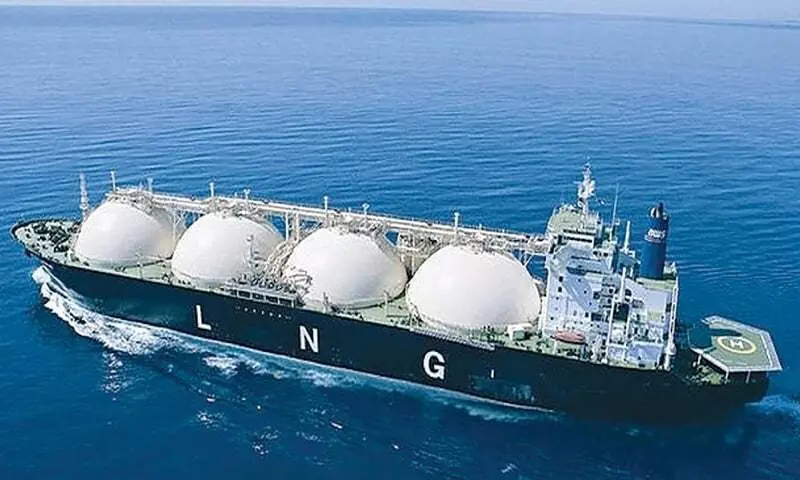
After a gap of more than two years, Pakistan LNG Limited (PLL) has issued urgent tenders to import three liquefied natural gas (LNG) cargoes, as the country grapples with a growing electricity shortfall and rising temperatures.
The state-run importer invited bids for deliveries between April 27 and May 8, setting a same-day deadline for submissions due to the severity of the situation. Each cargo, carrying around 140,000 cubic metres of LNG, is expected to supply roughly 100 million cubic feet per day (mmcfd) to the system.
The move comes as Pakistan faces a peak electricity deficit exceeding 4,500 megawatts, leading to up to seven hours of loadshedding in parts of the country.
Supply disruptions and urgent demand
The emergency procurement follows supply disruptions linked to the closure of the Strait of Hormuz, a critical global energy route. LNG cargoes intended for Pakistan were earlier forced to turn back due to security concerns, while Qatar has shown reluctance to dispatch shipments stranded in the الخليج.
The crisis intensified after QatarEnergy declared force majeure on its LNG contracts following attacks on regional energy infrastructure, halting supplies to multiple countries, including Pakistan.
Rising costs and shrinking supply
According to the Oil and Gas Regulatory Authority (Ogra), prices of regasified LNG (RLNG) surged by up to 22 per cent last month, reaching between $12.50 and $14 per mmBtu at the distribution stage. The increase was driven by reduced import volumes and higher terminal charges.
Only two LNG cargoes were imported in March, a sharp drop from eight cargoes in previous months, highlighting the severity of supply constraints.
Power generation under pressure
The Power Division has warned that without sufficient RLNG, the country may be forced to rely on expensive alternatives such as high-speed diesel (HSD) and furnace oil. Officials estimate that electricity generation through diesel could now exceed Rs80 per unit, significantly increasing costs for consumers.
Pakistan’s LNG-based power plants, particularly in Punjab, play a crucial role in maintaining grid stability and can generate around 6,000MW. However, without adequate gas supply, their output remains constrained.
Authorities have stressed that even a limited number of spot LNG cargoes could be more economical compared to diesel-based generation, despite higher global prices.
Growing summer challenge
Electricity demand is expected to rise sharply in the coming weeks as summer intensifies, with peak demand typically surpassing 28,000MW. While solar power has reduced daytime load, reliance on the national grid increases significantly after sunset.
The Power Division has already requested around 400mmcfd of LNG to sustain generation and prevent further outages. It has also warned that continued shortages could lead to prolonged loadshedding and higher fuel cost adjustments for consumers.
Officials say restoring LNG imports remains critical not only for meeting demand but also for ensuring stable and affordable electricity supply as Pakistan enters the peak summer season.
About Author