Islamabad reopens transport and public spaces after US-Iran talks fail to take place
By Sadia Khan :
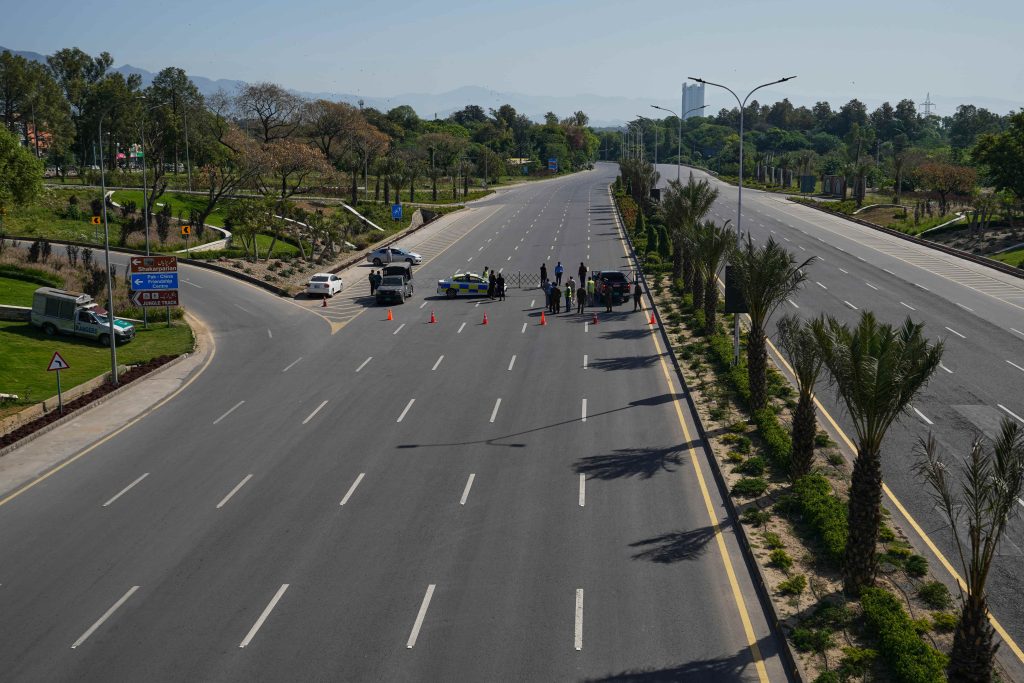
Authorities in Islamabad have lifted restrictions on transport and public movement after security measures imposed for anticipated US-Iran negotiations were withdrawn, officials said.
The district administration confirmed that all forms of public and goods transport are now permitted to enter the capital, bringing relief to commuters and businesses affected by the temporary suspension. The measures had been introduced earlier in the week amid expectations that high-level talks between Washington and Tehran would be held in the city, but those discussions did not materialise.
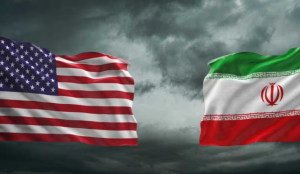
The decision followed a diplomatic setback after US President Donald Trump cancelled a planned visit by envoys Jared Kushner and Steve Witkoff, who had been due to meet Iranian officials. The abrupt change in plans also coincided with the departure of Iran’s Foreign Minister Abbas Araghchi from Pakistan.
In an official statement, Islamabad’s deputy commissioner announced that bus terminals across the city had resumed operations, although the Faizabad terminal will remain closed until further notice as a precautionary measure.
Public transport services are also being restored in phases. The Punjab Mass Transit Authority said Metro bus and electric bus services would resume from Sunday. In Islamabad, Metro services will initially operate between Saddar Station and Shaheed-i-Millat Station, while key stops including Parade Ground and Secretariat stations will stay closed for now. Electric buses are expected to return to full service, improving connectivity within the city.
The easing of restrictions extends beyond transport. Authorities have reopened hiking trails in the Margalla Hills, a popular destination for residents, along with recreational areas such as Daman-i-Koh and Lake View Park, signalling a return to normal activity after days of heightened security.
Neighbouring Rawalpindi has also followed suit, reopening all entry and exit points for traffic, including private vehicles, public transport and goods carriers. Metro bus services between Rawalpindi and Islamabad are set to resume on the same limited route, while electric bus services and other environmentally friendly transport options will become fully operational.
However, some restrictions remain in place. Authorities confirmed that Pir Wadhai Adda in Rawalpindi will stay closed until further notice, reflecting a cautious approach as the situation continues to evolve.
The temporary shutdown highlighted how closely local administrative decisions are tied to international developments, particularly as Pakistan plays an increasingly visible role in regional diplomacy. While daily life is now returning to normal, uncertainty surrounding US-Iran relations continues to cast a shadow over the region, with the potential for further disruptions if tensions escalate again.
About Author