Pakistan Issues Heatwave Alert as Temperatures Set to Surge Nationwide
By Zeeshan Naseem :
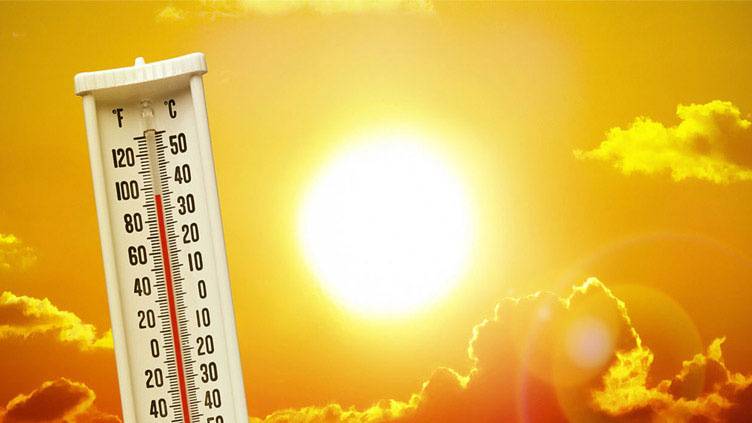
Pakistan’s disaster management authorities have warned of an intense heatwave expected to grip large parts of the country in the coming days, raising concerns over public health and environmental risks.
The National Disaster Management Authority (NDMA), through its National Emergencies Operation Centre, has urged both government institutions and citizens to take precautionary measures as temperatures rise sharply, particularly in southern regions. The alert indicates that extreme heat conditions are likely to persist until early May.
According to officials, major urban centres in Sindh including Karachi, Hyderabad, Sukkur, Larkana and Jacobabad are expected to experience particularly severe conditions. Southern Punjab cities such as Bahawalpur, Rahim Yar Khan and Multan, along with Turbat, are also forecast to remain under intense heat.
While heatwave conditions dominate much of the country, the Pakistan Meteorological Department has predicted a contrasting weather pattern in northern and central areas. Rain, dust storms and gusty winds are expected between April 24 and 29 in cities including Islamabad, Rawalpindi, Lahore and Faisalabad, offering temporary relief from rising temperatures.
The NDMA warned that prolonged exposure to extreme heat could increase the risk of heatstroke, dehydration and other health complications. Citizens have been advised to limit outdoor activities during peak hours, stay hydrated and take necessary precautions.
Authorities have directed provincial and district administrations to activate emergency response plans, establish cooling centres and ensure hospitals are prepared to handle heat-related cases.
Separately, Prime Minister Shehbaz Sharif has ordered an inquiry into a non-functional early warning system in Gilgit-Baltistan, stressing the need for improved preparedness ahead of the upcoming monsoon season. He called for urgent action to strengthen climate resilience measures, warning that negligence in disaster preparedness would not be tolerated.
Officials say the current weather pattern reflects broader climate trends, with Pakistan increasingly experiencing extreme conditions that require coordinated national response.
About Author