Trump praises Pakistan’s leadership but cancels envoy trip as US-Iran talks stall
By Sabeeh Zanair ;
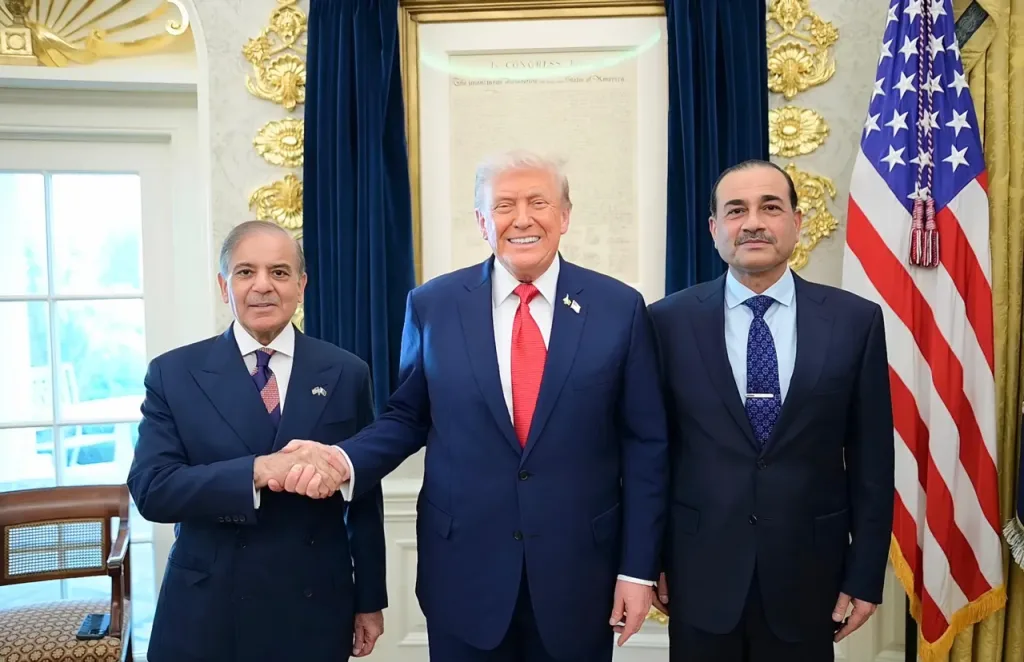
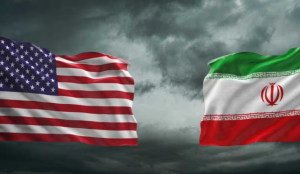
United States President Donald Trump has again commended Pakistan’s civilian and military leadership for their role in efforts to mediate with Iran, even as a fragile diplomatic process appeared to falter following the cancellation of a planned visit by senior American envoys.
Speaking before departing Florida aboard Air Force One, Mr Trump described Prime Minister Shehbaz Sharif and Pakistan’s army chief Asim Munir as “terrific” and “fantastic”, saying both leaders were keen to see progress in talks aimed at easing tensions with Tehran.
His remarks came shortly after Washington called off a visit by envoys Jared Kushner and Steve Witkoff to Islamabad, where they had been expected to meet Iranian officials. The decision followed the departure of Iran’s foreign minister Abbas Araghchi, who had been holding consultations with Pakistani authorities.
Mr Trump said the cancellation was driven in part by logistical concerns, pointing to the length and cost of travel, but he also indicated frustration with the pace and substance of negotiations. He suggested Washington would instead engage directly with whoever holds authority in Iran, claiming internal divisions within the Iranian leadership were complicating diplomacy.
He reiterated that the United States maintained a strong negotiating position, while repeating longstanding assertions that Iran must not be allowed to develop nuclear weapons. According to Mr Trump, Tehran had recently presented revised proposals after an earlier offer was deemed insufficient by Washington.
The stalled talks mark a setback in a broader effort to de-escalate a conflict that has intensified since a joint US-Israeli offensive against Iran earlier this year. The strikes reportedly targeted senior military figures, dramatically raising tensions across the Middle East and triggering retaliatory action from Tehran, including missile and drone attacks on regional targets and restrictions on shipping through the strategically vital Strait of Hormuz.
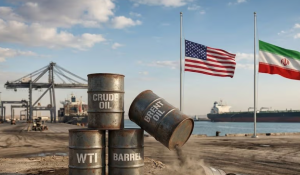
The disruption to this critical energy corridor has sent shockwaves through global markets, contributing to rising oil prices and renewed fears about inflation and economic stability worldwide. Analysts say the prolonged standoff between Washington and Tehran risks further destabilising the region, particularly as hostilities have expanded beyond Iran to neighbouring countries.
Pakistan has emerged as a key intermediary during the crisis, working alongside other regional actors to facilitate dialogue between the two sides. Diplomatic efforts led to a temporary ceasefire earlier this week and brought US and Iranian officials to Islamabad for discussions. However, those talks ended without a breakthrough, underscoring the deep divisions that remain.
Iran has since signalled reluctance to resume direct engagement with the United States, casting further doubt over the prospects for near-term negotiations. Despite this, Mr Trump indicated he remains open to dialogue, though he suggested any future talks would occur on Washington’s terms.
This is the second time in recent weeks that Mr Trump has publicly praised Pakistan’s leadership, reflecting a notable warming of ties between the two countries after years of strained relations. The shift has been driven in part by Islamabad’s diplomatic role in regional crises, as well as cooperation on security matters.
Observers say the evolving relationship highlights Pakistan’s growing relevance in international diplomacy, particularly at a time when geopolitical tensions across the Middle East and South Asia continue to demand urgent and coordinated responses.
About Author