From AI Robotics to Advanced Smartphones: MWC 2026 Reveals the Next Wave of Innovation
By Tanveer Ahmed :
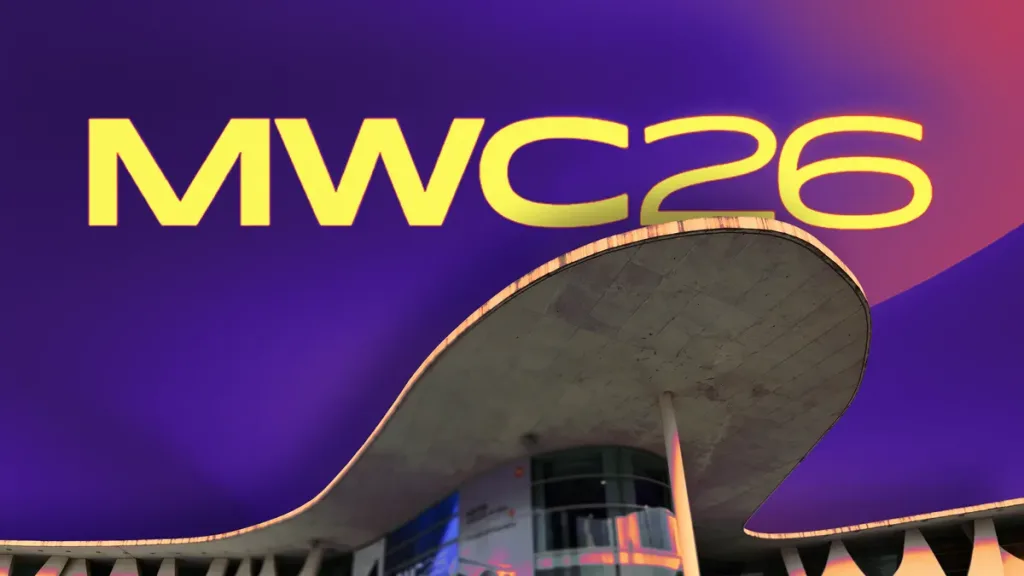
The global technology industry gathered in the Spanish city of Barcelona for the latest edition of the Mobile World Congress 2026, where artificial intelligence, next-generation connectivity and futuristic devices dominated the conversation.
Held from March 2 to March 5 at the Fira Barcelona Gran Via exhibition complex, the annual event brought together technology companies, telecom operators, startups, policymakers and investors from around the world to explore the future of mobile technology and digital connectivity.
Organised by the global telecom industry body GSMA, the congress is widely regarded as the largest and most influential event in the mobile communications industry. This year’s edition also marked the 20th anniversary of the event being hosted in Barcelona, underlining the city’s position as a global hub for digital innovation.
A global gathering for the tech industry
According to organisers, around 105,000 visitors from more than 200 countries and territories attended the event, alongside 2,900 exhibiting companies and over 1,700 speakers. The congress attracted approximately 20,000 senior executives, making it one of the most important annual gatherings for technology and telecommunications leaders.
The event also delivered a major boost to the local economy, with organisers estimating an economic impact of over €585 million for Barcelona and the surrounding region.
Despite global geopolitical tensions affecting international travel, organisers described the event as a success and emphasised the resilience of the technology sector.
John Hoffman, chief executive of GSMA Ltd, said the congress continued to exceed expectations even after two decades in Barcelona.
“After 20 years in Barcelona, Mobile World Congress continues to surprise and bring together the brightest minds and most innovative companies in the global connectivity ecosystem,” he said.
The rise of the ‘IQ Era’
The overarching theme of MWC 2026 was “The IQ Era,” reflecting the growing integration of artificial intelligence into digital infrastructure, devices and services.
Industry leaders emphasised that the mobile ecosystem is moving beyond basic connectivity toward intelligent networks capable of supporting advanced AI applications, smart cities and automated industries.
Throughout the event, demonstrations highlighted how AI is transforming a wide range of sectors, from healthcare and manufacturing to transportation and retail.
Many exhibitors showcased AI-driven robotics, intelligent assistants and autonomous devices designed to interact with users in more natural and efficient ways.
Technology analysts noted that compared with previous years, the 2026 edition placed greater emphasis on practical and commercial AI applications rather than experimental concepts.
AI-powered robotics capture attention
One of the most striking features of the exhibition halls was the growing presence of humanoid robots and AI-powered machines.
Companies demonstrated robots capable of assisting with everyday tasks, providing customer service, or supporting industrial processes.
Some prototypes displayed the ability to operate without traditional sensors by connecting to cloud-based AI networks, while others showcased collaborative robots that can communicate and coordinate with each other.
Visitors were also drawn to interactive robots capable of responding to voice commands, gestures and facial recognition, highlighting how human-machine interaction is evolving.
Experts say such technologies could soon become common in industries such as logistics, healthcare and hospitality.
Smartphones evolve with new concepts
Although artificial intelligence dominated the discussions, the event also remained a major platform for new smartphone launches and device innovations.
Several manufacturers unveiled flagship devices featuring advanced camera systems, foldable displays and integrated AI capabilities designed to improve photography, battery life and productivity.
One of the more unusual prototypes showcased at the event was a robot-inspired smartphone concept featuring a small motorised camera module capable of moving and tracking subjects automatically.
Industry observers said such designs illustrate how smartphone makers are experimenting with new ways to differentiate devices in an increasingly competitive market.
Meanwhile, the “Best in Show” award at the Global Mobile Awards (GLOMO) went to the Samsung Galaxy S26 Ultra, recognising the device for its technological innovation and advanced capabilities.
The GLOMO Awards are judged by a panel of industry analysts, journalists and experts and are considered one of the most prestigious honours in the mobile technology sector.
Next-generation networks and 5G challenges
Beyond consumer devices, one of the central themes of MWC 2026 was the future of telecommunications infrastructure.
Executives from major telecom companies emphasised the importance of accelerating the deployment of 5G standalone networks, which enable faster speeds, lower latency and improved reliability.
However, industry leaders warned that some regions risk falling behind due to regulatory barriers and slow investment.
Officials from GSMA noted that while countries such as the United States and China have made significant progress in advanced 5G deployment, parts of Europe still lag behind.
They stressed that without widespread 5G infrastructure, industries will struggle to adopt technologies such as industrial robotics, smart factories and autonomous transport systems.
Discussions at the congress also focused on emerging technologies such as 6G, satellite connectivity and non-terrestrial networks, which could provide internet access to remote and underserved regions.
Startups and innovation ecosystems
Alongside major technology corporations, the event also highlighted the role of startups and emerging innovators.
The 4YFN (Four Years From Now) startup platform, held alongside MWC, featured more than 1,000 startups presenting ideas ranging from fintech solutions to AI-driven health technologies.
Entrepreneurs had the opportunity to connect with venture capital firms, industry mentors and potential partners.
Another key initiative was the Talent Arena, which brought together more than 25,000 developers and technology professionals to explore career opportunities and collaborate on new projects.
These initiatives reflect the growing importance of innovation ecosystems in shaping the future of the technology industry.
AI and telecom partnerships
Many companies used the event to announce new partnerships and research initiatives aimed at accelerating digital transformation.
The GSMA launched Open Telco AI, a new initiative designed to support the development of AI solutions tailored specifically for telecommunications networks.
The project aims to create open frameworks and shared tools that allow telecom operators to integrate AI into network management, cybersecurity and customer services.
Industry experts believe such collaborations will be essential as telecom networks become increasingly complex and data-driven.
Connectivity for the future
A major focus of MWC 2026 was how emerging technologies can expand global connectivity and reduce the digital divide.
Despite widespread network coverage, billions of people worldwide still lack reliable internet access.
Industry leaders highlighted the importance of combining satellite networks, low-earth-orbit constellations and advanced mobile infrastructure to connect remote regions.
Technologies such as direct-to-device satellite communication were also showcased, enabling smartphones to connect directly with satellites without traditional cell towers.
These innovations could play a crucial role in disaster response, rural connectivity and global communication networks.
Cybersecurity and digital trust
As digital infrastructure becomes increasingly interconnected, cybersecurity was another major topic of discussion.
Experts warned that cyber threats are growing rapidly and could cost the global economy trillions of dollars in the coming years.
Telecommunications companies are therefore investing heavily in AI-driven cybersecurity systems capable of detecting and responding to threats in real time.
Industry leaders emphasised the need for greater cooperation between governments, regulators and technology companies to strengthen digital security and protect user data.
Sustainability and responsible innovation
Environmental sustainability also featured prominently at MWC 2026.
Technology companies showcased energy-efficient network equipment, recyclable device materials and new approaches to reducing the carbon footprint of data centres.
Several telecom operators also announced commitments to achieving net-zero emissions in the coming decades.
Experts stressed that as digital technologies become more widespread, ensuring their sustainability will be essential to long-term economic and environmental stability.
A glimpse of the digital future
As the event concluded, analysts said MWC 2026 provided a clear glimpse into the future of the digital economy.
The convergence of artificial intelligence, advanced connectivity and intelligent devices is expected to transform industries and reshape how people interact with technology.
For technology companies, governments and investors, the congress remains a critical platform for collaboration and innovation.
After two decades in Barcelona, the Mobile World Congress continues to demonstrate its influence as the world’s leading stage for the technologies that will define the next generation of global connectivity.
With AI-driven systems, smarter networks and groundbreaking devices on display, MWC 2026 reinforced the message that the world is entering a new era of intelligent technology—one where connectivity and artificial intelligence will shape the future of societies and economies worldwide.
About Author