Trump declares end to hostilities with Iran as fragile ceasefire holds amid ongoing tensions
By Sabeeh Zanair :
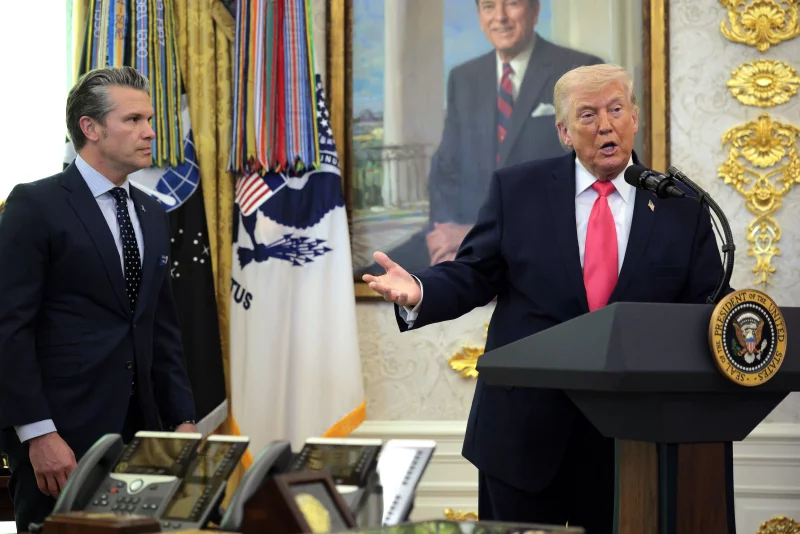
United States President Donald Trump has told lawmakers that hostilities with Iran have “terminated” following a ceasefire agreed earlier this year, even as uncertainty continues to surround stalled negotiations and regional tensions.
In a letter addressed to senior members of Congress, including House Speaker Mike Johnson, Mr Trump said there had been no exchange of fire between US and Iranian forces since early April. The ceasefire, initially ordered for two weeks, has since been extended, effectively bringing active fighting to a halt.
The conflict, which began on 28 February after US and Israeli strikes on Iranian targets, quickly escalated into a broader regional confrontation. Iran responded with attacks on US-linked assets in the Gulf, while its ally Hezbollah launched strikes against Israel, prompting retaliatory action.
Despite the president’s assertion that hostilities have ended, diplomatic efforts to reach a lasting agreement remain uncertain. Mr Trump recently expressed dissatisfaction with a proposal put forward by Tehran, saying it fell short of expectations without elaborating on specific concerns.
Negotiations are continuing through indirect channels, with Pakistan acting as a mediator. Iranian state media reported that Tehran had submitted a revised plan via Islamabad, while US officials have declined to comment on the details of private diplomatic exchanges. Mr Trump, however, praised Pakistan’s role and its leadership, signalling continued cooperation in the process.
The White House has reiterated its core position that Iran must not acquire nuclear weapons, describing ongoing talks as essential to safeguarding US national security interests.
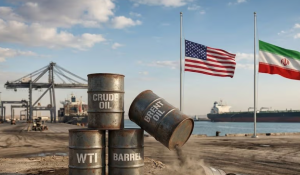
While active fighting has subsided, the wider remains far from resolved. The strategic Strait of Hormuz — a vital artery for global energy supplies — remains largely disrupted due to competing blockades by Iran and US forces. The disruption has significantly affected international oil markets, with prices rising sharply in recent weeks amid fears of prolonged instability.
Energy analysts warn that the continued closure of the route, through which roughly a fifth of the world’s oil and gas flows, could have lasting economic consequences. Global benchmark crude prices have already surged, reflecting market anxiety over supply constraints and the risk of further escalation.
Iranian officials have cautioned that any renewed US military action would trigger a strong response. Senior figures have warned of “long and painful” retaliation targeting US positions in the region, underscoring the fragile nature of the current ceasefire.
Meanwhile, tensions remain high diplomatically. Tehran has rejected US claims that its actions justified self-defence, instead accusing Washington of aggression. Iranian leaders have also questioned the financial cost of the conflict for the United States, suggesting it has placed a growing burden on American taxpayers.
In Europe, countries including France have begun preparing contingency measures, including a proposed international maritime mission aimed at safeguarding shipping routes once conditions allow. However, officials have made clear that such efforts would only proceed when the conflict fully subsides.
Although the ceasefire has reduced immediate military activity, the situation remains volatile. Analysts say the absence of a comprehensive agreement, combined with ongoing mistrust between the two sides, means the risk of renewed confrontation cannot be ruled out.
For now, Mr Trump faces political and legal pressure at home to justify the end of hostilities under US war powers legislation, while continuing to balance diplomatic efforts with the threat of further military action if negotiations fail.
About Author