eport warns of mounting pressure on Pakistan’s media as attacks and legal cases rise
By Shahzad Paracha :
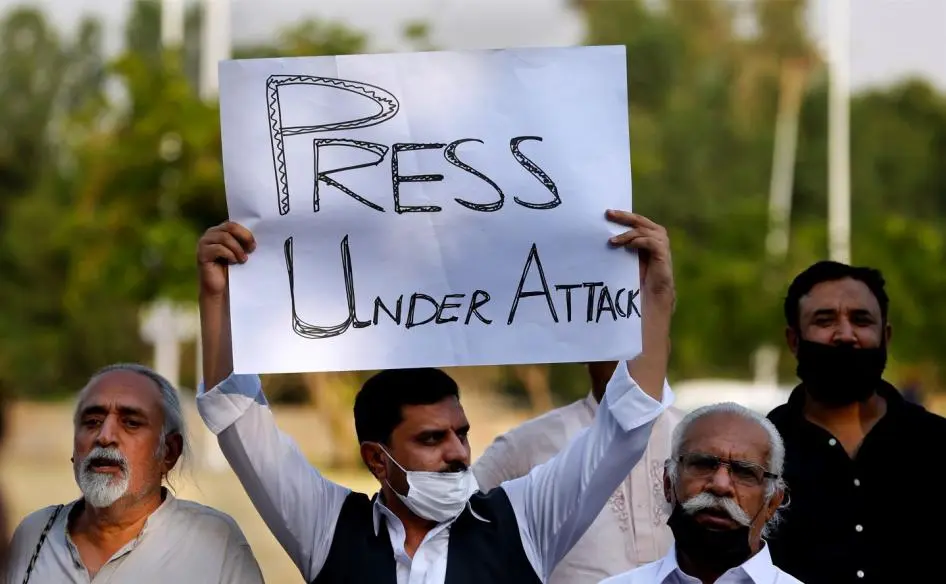
Pakistan’s media landscape is facing intensifying pressure from multiple fronts, with journalists subjected to violence, legal action, online harassment and financial constraints, according to a new report released ahead of World Press Freedom Day.
The study by the Pakistan Press Foundation documents at least 233 incidents targeting journalists between January 2025 and April 2026, painting what it describes as an increasingly restrictive environment for press freedom in the country.
Among the cases recorded were dozens of physical assaults and criminal complaints, as well as arrests, detentions and a small number of abductions. The report suggests that rather than replacing traditional threats, legal measures have added another layer of pressure on media professionals.
A central focus of the findings is the expanded use of the Pakistan Electronic Crimes Act, which has been increasingly invoked in cases against journalists. According to the report, more than half of the documented criminal complaints were filed under the law, reflecting what observers say is a growing reliance on cybercrime legislation to pursue media-related cases.
The report also highlights the role of the National Cyber Crime Investigation Agency, noting that notices and summons have become a frequent occurrence. It describes a pattern in which journalists face legal action after publishing material deemed sensitive or critical.
Legal pressure has extended beyond reporters themselves. The report points to the conviction of prominent lawyers who had represented journalists in such cases, raising concerns about the broader implications for legal defence and advocacy in media-related matters.
At the same time, the risks of physical harm remain. The report cites incidents such as the detention of journalists covering public events, including gatherings linked to Aurat March, where reporters were held for several hours. It also raises concerns about violations of privacy protections, including the confiscation of journalists’ electronic devices.
Particular attention is given to the targeting of women in the media, with the report documenting instances of harassment using manipulated or AI-generated content. Such attacks, it says, are often designed to damage reputations through personal and gendered narratives rather than challenge journalistic work.
Media organisations themselves have also faced pressure. The report alleges that the withholding of government advertising from outlets such as Dawn has been used as a form of economic leverage. It also points to regulatory actions by the Pakistan Electronic Media Regulatory Authority, including show-cause notices issued to broadcasters over editorial content.
While acknowledging the establishment of a federal commission aimed at protecting journalists, the report says meaningful progress will depend on its independence and effectiveness. Without proper resources and authority, it warns, such initiatives risk falling short of their intended purpose.
The findings are set against a broader global backdrop. Data from UNESCO indicates a decline in freedom of expression worldwide over the past decade, underscoring concerns that challenges faced by Pakistan’s media reflect wider international trends.
In its conclusion, the Pakistan Press Foundation calls on authorities, law enforcement agencies and political actors to move beyond statements of support and take concrete steps to protect journalists. It warns that the persistence of violence, intimidation and legal pressure points to a deeper issue — a lack of consistent safeguards for press freedom in practice.
About Author