Fresh push for US-Iran talks as Pakistan leads efforts to preserve fragile ceasefire
By Sabeeh Zanair
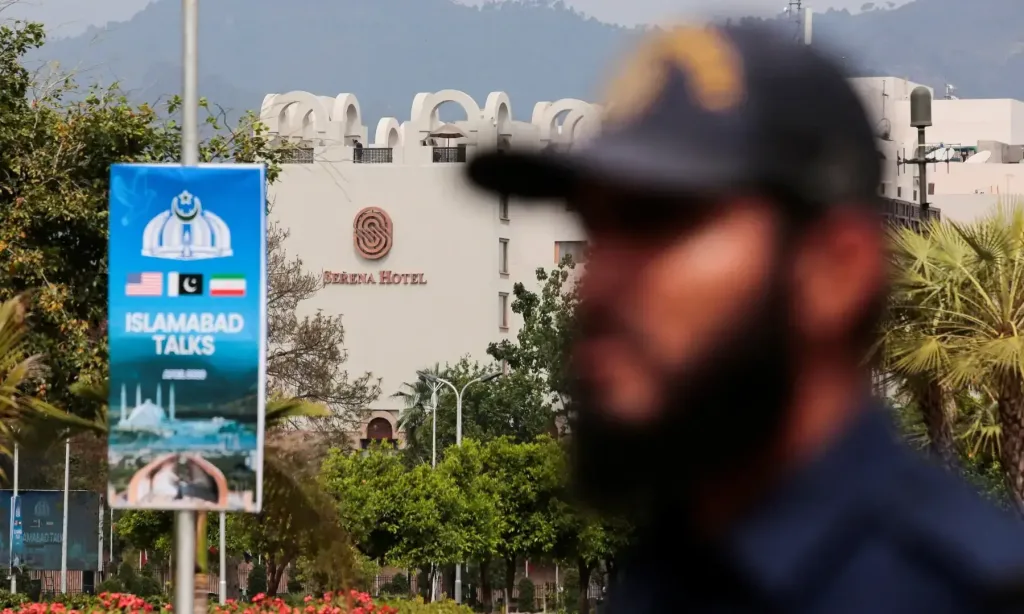
Diplomatic efforts are under way to bring the United States and Iran back to the negotiating table, with Pakistan playing a central role in attempts to prevent a fragile ceasefire from collapsing into renewed conflict.
Officials familiar with back-channel contacts said intermediaries, including regional partners such as Turkey and Egypt, were working to revive dialogue following the inconclusive Islamabad talks. The immediate focus, they said, is to extend the current truce, which is due to expire on April 22.
Prime Minister Shehbaz Sharif told a federal cabinet meeting that, despite mounting pressure, the ceasefire remained intact. He said Pakistan’s leadership had worked intensively to facilitate the talks, describing the 21-hour engagement in Islamabad as a significant diplomatic effort.
“There are hurdles, but efforts are under way to resolve them,” he said, adding that maintaining the ceasefire remained a priority.
Mr Sharif also conveyed a similar message during talks with Japanese Prime Minister Sanae Takaichi, who expressed support for Pakistan’s role in promoting peace and stability.
The ceasefire, brokered earlier this month after weeks of conflict, has come under strain following the United States’ move towards enforcing a naval blockade in the Strait of Hormuz. Iran has warned that such actions could violate the truce, raising concerns about escalation.
Although the Islamabad talks marked the highest level of engagement between Washington and Tehran in decades, they ended without agreement. Diplomats said, however, that the absence of a breakdown has left a narrow but viable window for further negotiations.
Key disagreements remain over Iran’s nuclear programme, sanctions relief and control of the Strait of Hormuz. The United States is seeking long-term restrictions on uranium enrichment and guarantees against weaponisation, alongside secure maritime navigation. Iran, meanwhile, is demanding recognition of its rights under international agreements, comprehensive sanctions relief and firm guarantees before making concessions.
Differences over sequencing have also proved a major obstacle. Washington has pushed for Iranian commitments first, while Tehran insists that confidence-building measures and assurances must precede any substantive steps, creating what diplomats describe as a negotiating deadlock.
Pakistan has stepped up diplomatic engagement since the talks concluded. Deputy Prime Minister and Foreign Minister Ishaq Dar has held discussions with counterparts including Britain’s Yvette Cooper, China’s Wang Yi, Turkey’s Hakan Fidan, Saudi Arabia’s Faisal bin Farhan and Egypt’s Badr Abdelatty.
Across these contacts, Pakistan has urged all sides to uphold the ceasefire and continue dialogue, a position that has received broad international backing. Chinese Foreign Minister Wang Yi, in particular, emphasised the need to prevent a return to conflict and to sustain momentum for negotiations.
Diplomatic sources said these efforts have helped build an informal international consensus aimed at preserving the process and buying time ahead of the ceasefire deadline. Proposals under discussion include extending the truce by at least 45 days or shifting talks to a technical level to prepare for a second round of political negotiations.
While both sides have signalled willingness to continue engagement, differences persist over the format and venue of future talks. Iran is said to favour Islamabad, citing familiarity and confidence in Pakistan’s mediating role, while the United States is considering alternative locations for logistical and security reasons.
The broader regional situation continues to weigh heavily on the talks. Although violence has reduced since the ceasefire, tensions remain high, particularly in Lebanon, where ongoing hostilities continue to influence Iran’s strategic calculations.
Diplomats say the coming days will be critical in determining whether the fragile ceasefire can be extended and whether negotiations can regain momentum towards a longer-term settlement.
About Author