PM Shehbaz Calls In-Camera Security Briefing After Killing of Iran’s Supreme Leader
By Zeeshan Naseem :
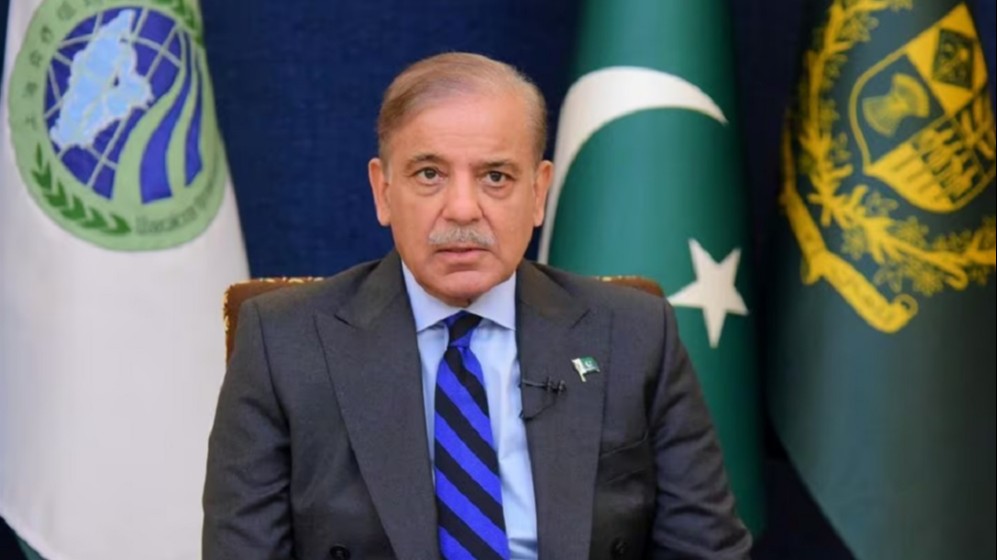
Prime Minister Shehbaz Sharif has invited parliamentary leaders and heads of political parties to attend an in-camera briefing on Wednesday to discuss escalating regional tensions, particularly following the killing of Iran’s Supreme Leader Ali Khamenei.
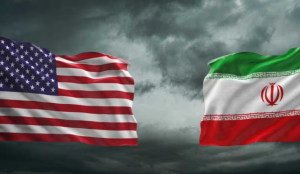
The development comes after the United States and Israel launched joint strikes on Iran last week, triggering renewed military confrontation across the Middle East. Khamenei was killed in the strikes, prompting Iran to retaliate with attacks targeting Israel and US bases in the region.
Cross-Party Security Briefing
Speaking to the media, Law Minister Azam Nazeer Tarar confirmed that leaders of all political parties had been invited to receive a detailed briefing on national and regional security.
“We have relations with Iran, and on the other hand, we also have a defence agreement with Saudi Arabia. In this matter, politics should be set aside. Tomorrow, the prime minister will provide an in-camera briefing to all political leadership,” Tarar said.
He added that the prime minister’s adviser on political affairs, Rana Sanaullah, would formally extend invitations for the meeting scheduled for 11am.
According to Radio Pakistan, Tarar also addressed the issue during a session of the National Assembly, where lawmakers debated the regional crisis and condemned the attack on Iran.
Members from various parties paid tribute to Khamenei and expressed solidarity with the Iranian people. Among those who spoke were Maulana Fazlur Rehman and several other parliamentarians, who called for unity among Muslim countries in the face of mounting challenges.
“We must forge unity within the Ummah to confront the mounting threats,” Fazlur Rehman said.
Pakistan Urges De-escalation
The killing of Khamenei has intensified instability across the Middle East. Pakistan has repeatedly urged restraint and dialogue to prevent further escalation.
Deputy Prime Minister and Foreign Minister Ishaq Dar said a day earlier that Islamabad was closely monitoring developments and engaging regional partners to ease tensions.
Briefing foreign ambassadors, Dar described the situation as “fragile and sensitive”, stressing that Pakistan’s diplomatic efforts were focused on de-escalation.
Regional Fallout
Meanwhile, a drone attack on the US embassy in Riyadh sparked a small fire, according to Saudi officials, as Iran continued retaliatory strikes across the Gulf.
The Saudi Ministry of Defence said it intercepted eight drones near Riyadh and Al-Kharj. Spokesman Major General Turki al-Malki confirmed the interceptions in a statement.
Separately, the United States Central Command (CENTCOM) said American forces had targeted facilities linked to Iran’s Islamic Revolutionary Guard Corps, including air defences, missile and drone launch sites, and military airfields.
As tensions mount, Islamabad faces the delicate task of balancing its diplomatic ties while seeking to prevent further instability in the region.
About Author