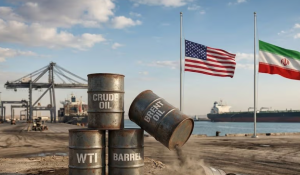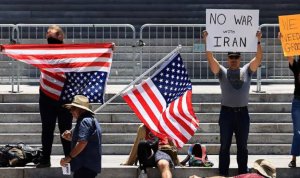
Oil prices climb as renewed US-Iran clashes threaten Hormuz ceasefire hopes
By Sabeeh Zanair :
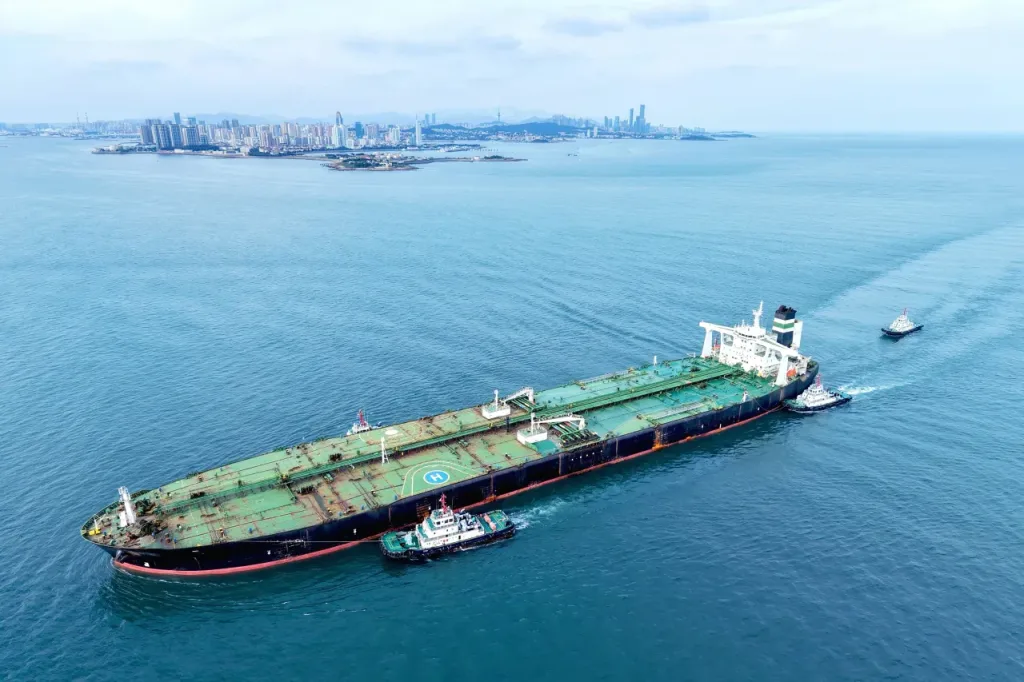
Global oil prices rose sharply on Friday after fresh fighting erupted between the United States and Iran, raising fears that efforts to stabilise the Strait of Hormuz could collapse and further disrupt energy supplies from the Gulf.
Brent crude futures increased by more than one percent to trade above $101 a barrel, while US West Texas Intermediate crude also posted gains, recovering after several days of decline linked to earlier optimism over possible peace talks between Washington and Tehran.
At the start of trading, oil prices briefly surged by more than three percent as investors reacted to reports of renewed military exchanges in and around the strategically important waterway.
The latest rise ended a three-day decline in prices that had followed reports suggesting the two countries were nearing a temporary agreement aimed at reducing hostilities and reopening shipping routes through the Strait of Hormuz.
Markets had previously responded positively to signs that both sides were discussing a limited arrangement focused on restoring maritime traffic while postponing broader disputes surrounding Iran’s nuclear programme.
Despite Friday’s rebound, both major oil benchmarks remain on course for weekly losses of around six percent due to volatility caused by rapidly shifting developments in the conflict.
The renewed market anxiety followed accusations from Tehran that Washington had violated a month-long ceasefire agreement. Iranian officials claimed US forces carried out attacks on civilian areas, ships and an oil tanker in the strait and along the Iranian mainland.
American officials, however, said US military action was conducted in response to Iranian fire targeting naval vessels passing through the waterway on Thursday.
The exchange highlighted the fragile nature of ongoing diplomatic efforts and reinforced concerns over the security of one of the world’s most important energy corridors.
Before the conflict escalated in February, nearly one-fifth of global oil and gas supplies passed through the Strait of Hormuz each day. Since the outbreak of fighting involving Iran, the United States and Israel, traffic through the route has been severely disrupted.
Although clashes resumed, US President Donald Trump later told reporters that the ceasefire technically remained in place, even as both sides exchanged accusations over violations.
The latest violence occurred while Washington was reportedly awaiting Tehran’s response to a revised peace proposal. According to diplomatic sources, the proposal does not fully address several contentious issues, including US demands for the complete reopening of the Strait of Hormuz and long-term guarantees over maritime security.
Energy analysts say the uncertainty surrounding negotiations continues to keep markets on edge.
Tony Sycamore, an analyst at IG, said supply conditions remained tight despite ongoing diplomatic contacts, warning that a comprehensive peace agreement still appeared difficult to achieve.
Meanwhile, additional scrutiny has emerged around trading activity linked to the conflict.
According to reports, the US Commodity Futures Trading Commission is investigating approximately $7 billion worth of oil trades made ahead of major announcements by President Trump related to the Iran conflict.
Most of the transactions reportedly involved short positions placed on the Intercontinental Exchange and the Chicago Mercantile Exchange before statements that later triggered significant declines in oil prices.
The investigation is expected to examine whether traders had prior knowledge of policy announcements connected to delays in military action or ceasefire negotiations.
The continuing instability in the Gulf has renewed concerns among governments and energy companies over the vulnerability of global supply chains, with shipping insurers, exporters and commodity markets closely monitoring developments in the region.
About Author