ranian strikes caused heavier damage to US bases than publicly revealed, report says
By Sabeeh Zunair :
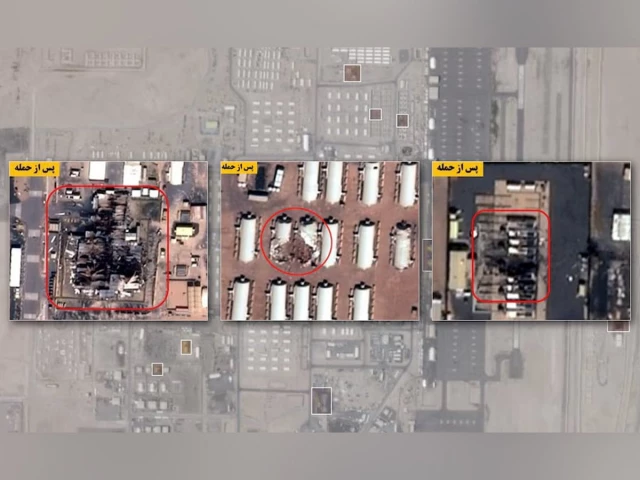
Iranian missile and drone attacks on American military installations across the Middle East caused substantially greater destruction than previously disclosed by Washington, according to a new analysis of satellite imagery published by The Washington Post.
The newspaper’s investigation, released on Wednesday, said damage was identified at 15 US military sites across the region, with at least 228 structures and military assets affected during the conflict. The assessment included 217 damaged buildings as well as 11 major pieces of military equipment.
The findings suggest the scale of the attacks was far more severe than what US officials had publicly acknowledged during and after the escalation with Iran.
The United States administration did not immediately respond to the report, while the White House remained silent on the extent of the destruction outlined in the analysis.
According to the newspaper, more than half of the documented damage occurred at the headquarters of the US Fifth Fleet in Bahrain and at three separate military facilities in Kuwait. A US official quoted in the report said those locations appeared to have been targeted heavily because they had facilitated American military operations during the war.
The report stated that several advanced air defence systems were either destroyed or severely damaged, including Patriot missile batteries positioned in Bahrain and Kuwait. Iranian strikes also reportedly hit a satellite communications dish at the Naval Support Activity base in Bahrain and damaged THAAD radar systems stationed in Jordan and the United Arab Emirates.
One of the most significant losses detailed in the report involved an Boeing E-3 Sentry aircraft at Prince Sultan Air Base in Saudi Arabia. The aircraft, used for airborne surveillance and command operations, was reportedly destroyed after being left repeatedly on an exposed taxiway without hardened protection. A military refuelling tanker was also said to have been lost in the attacks.
The newspaper cited American officials as saying that damage at the Naval Support Activity Bahrain was “extensive”, forcing the relocation of the US Fifth Fleet headquarters to MacDill Air Force Base.
Two officials quoted in the report also suggested the Pentagon may reconsider the long-term deployment of large numbers of forces at some regional bases due to growing vulnerability to missile and drone attacks.
The revelations come amid continuing debate in Washington over the effectiveness of US regional defence systems and the strategic cost of the conflict with Iran, which disrupted shipping lanes, rattled global oil markets and heightened fears of a wider regional war.
Military analysts say the attacks demonstrated Iran’s growing capability to strike heavily fortified military infrastructure across the Gulf using a combination of ballistic missiles, drones and precision-guided systems. The conflict also exposed the challenges faced by traditional air defence networks in countering large-scale coordinated attacks.
Satellite imagery has increasingly become a critical tool in modern conflict reporting, allowing independent analysts and media organisations to assess battlefield damage and verify official claims in near real time.
The latest findings are likely to intensify scrutiny over how much information governments release during wartime, particularly regarding military losses and operational setbacks.
About Author