India Welcomes US–Iran Ceasefire but Avoids Mention of Pakistan’s Mediation
By Sabeeh Zanair :
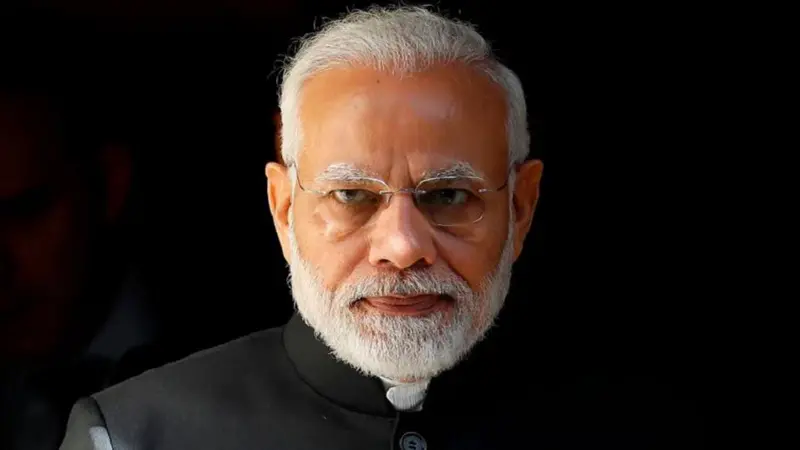
India has welcomed the temporary two-week ceasefire between Iran and the United States but stopped short of acknowledging Pakistan’s role in facilitating the breakthrough or commenting on the upcoming negotiations planned in Islamabad.
In an official statement, India’s Ministry of External Affairs said it welcomed the decision to halt hostilities and expressed hope that it would contribute to long-term peace in West Asia.
“We welcome the ceasefire decision. We hope this will help in establishing lasting peace in West Asia. As we have stated earlier, a ceasefire, dialogue and diplomacy are essential to end the ongoing conflict,” the statement said.
The ministry added that the recent escalation had disrupted global energy supplies and international trade routes.
“This tension has affected global oil and energy supplies and trade flows. We hope that commercial and oil tankers will now be able to safely pass through the Strait of Hormuz,” the statement noted.
However, unlike several other countries — including the United Kingdom and members of the European Union — which have publicly praised Pakistan’s diplomatic efforts over the past two days, the Indian government’s statement made no reference to Islamabad’s role in facilitating the ceasefire or hosting the upcoming talks between Tehran and Washington.
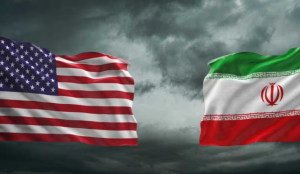
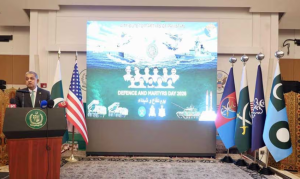
The omission comes despite Pakistan’s growing diplomatic involvement in the crisis. Islamabad recently helped broker a temporary truce after nearly six weeks of conflict and is now preparing to host direct negotiations between Iranian and US delegations in the capital.
Earlier remarks from India’s foreign minister
The development has revived debate in India about the country’s diplomatic posture during the conflict. Earlier, Indian External Affairs Minister Subrahmanyam Jaishankar made controversial remarks about Pakistan’s mediation role during a closed-door all-party meeting on March 25.
According to Indian media reports, Jaishankar said that India did not want to become a “broker country like Pakistan” while discussing the government’s policy on the situation in West Asia.
Opposition leaders had reportedly raised questions during the meeting about Pakistan’s involvement in facilitating communication between Iran and the United States and asked whether it represented a diplomatic setback for India.
Pakistan’s Foreign Office later responded to Jaishankar’s comments, saying such “undiplomatic statements reflect frustration and disappointment”. It added that Pakistan’s foreign policy approach was based on “restraint, dignity and responsible diplomacy rather than rhetoric”.
Pakistan’s Defence Minister Khawaja Asif also criticised the Indian minister on social media, accusing him of making remarks driven by personal frustration.
Debate within India over Pakistan’s role
While many global leaders have welcomed Pakistan’s diplomatic efforts, the issue has sparked political debate within India. Some opposition figures have questioned whether New Delhi missed an opportunity to play a larger diplomatic role in the crisis.
Congress leader Rashid Alvi said Pakistan had taken an initiative that India could have pursued.
“What Pakistan has done is something India should also have attempted,” he said, criticising Prime Minister Narendra Modi’s foreign policy approach toward the Middle East.
Another senior Congress leader, Jairam Ramesh, also commented on social media that Pakistan’s role in facilitating the ceasefire had exposed what he described as the limitations of Modi’s personalised style of diplomacy.
However, not all Indian politicians share that view. Priyanka Chaturvedi of the Shiv Sena (UBT) questioned why India should have been involved in negotiations between the US and Iran, arguing that the conflict was not India’s fight.
Analysts offer mixed assessments
Indian analysts have offered varied interpretations of Pakistan’s involvement.
Harsh Pant, an expert on international affairs, described Pakistan’s role primarily as facilitating communication between the two sides rather than acting as a traditional mediator.
Speaking to media outlets, he said Pakistan had helped transmit messages between Washington and Tehran, which contributed to the ceasefire, but noted that the long-term outcome of the diplomatic process remains uncertain.
Pant also suggested that Pakistan may be seeking to improve its strategic relevance in US foreign policy following tensions with India and shifting regional dynamics.
Former Indian foreign secretary Nirupama Rao echoed a similar view in a post on X, saying Pakistan had acted as a channel for communication rather than a formal mediator. Nevertheless, she argued that the development should not be dismissed.
“The ceasefire achieved through negotiations demonstrates that Pakistan currently enjoys the confidence of the United States, Iran and China,” she wrote, adding that India should clearly support peace efforts and focus on safeguarding maritime routes and regional stability.
India’s cautious diplomatic approach
Some observers say India has deliberately adopted a cautious stance during the conflict due to its complex diplomatic and economic relationships.
India maintains significant trade links with both the United States and Iran. Tehran has historically been an important energy supplier for India, while New Delhi is also engaged in sensitive trade and tariff negotiations with Washington.
Analysts note that tensions in the Gulf region have already affected global energy markets and shipping routes, particularly the Strait of Hormuz — a critical maritime corridor through which a large portion of the world’s oil supply passes.
According to media reports, India had earlier coordinated with Iran to ensure the safe passage of Indian oil tankers through the strait during the crisis.
Pakistan’s strategic interest
Pakistan’s involvement in the diplomatic process is also driven by its own strategic concerns. The country shares a nearly 900-kilometre border with Iran and hosts a large Shia population, meaning that any escalation in the region could have significant political and humanitarian consequences.
A wider conflict could also trigger refugee flows and economic disruption across the region.
For that reason, Islamabad has taken an active role in supporting diplomatic efforts aimed at preventing further escalation.
While analysts say the Islamabad talks offer a rare opening for dialogue between the US and Iran, they caution that deep mistrust between the two sides, as well as ongoing tensions in Lebanon and the wider Middle East, could complicate the path to a lasting settlement.
About Author