Trump Slams Allies as Gulf Conflict Escalates and Hormuz Crisis Deepens
By Zeeshan Naseem :
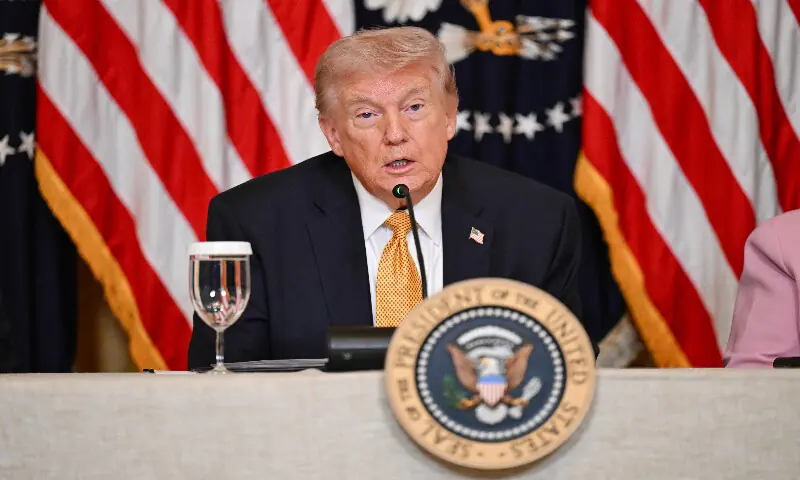
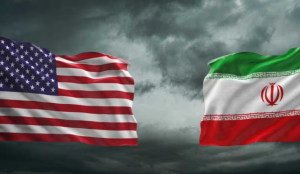
US President Donald Trump has criticised key Western allies for what he described as a lack of support in securing the Strait of Hormuz, as tensions in the ongoing Iran–US-Israel war continue to escalate.
Speaking at the White House, Trump accused some long-standing partners of “ingratitude” after countries including Germany, Spain and Italy declined to send warships to escort oil tankers through the vital waterway.
Allies push back
German Chancellor Friedrich Merz said Berlin lacked the legal mandate to deploy forces, noting that neither the United Nations, the European Union nor NATO had authorised such a mission.
He also said Germany had not been consulted before the launch of US-Israeli strikes on Iran.
Trump, however, insisted some countries were willing to assist but expressed frustration at others.
“Some are very enthusiastic… and some aren’t,” he said, adding that the level of support from allies mattered to him.
Strategic waterway under threat
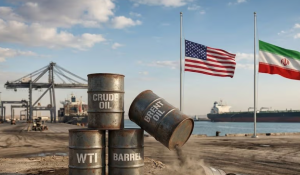
The Strait of Hormuz, a narrow passage between Iran and Oman, carries around 20% of the world’s oil and liquefied natural gas supplies. Its disruption has driven oil prices higher and fuelled concerns about global inflation.
Iran has effectively restricted access to the strait using drones and naval mines, according to reports, severely impacting global energy flows.
Attacks intensify across the region
There has been no let-up in hostilities, with Israel saying it targeted Iranian infrastructure in Tehran and positions linked to Hezbollah in Beirut.
Iran, in turn, launched overnight strikes on Israel and expanded its attacks to Gulf states, including the United Arab Emirates, where drone strikes hit oil facilities in Fujairah.
The attacks forced temporary disruptions at key infrastructure, including Dubai International Airport, and halted operations at energy sites such as the Shah gas field in Abu Dhabi.
Wider regional fallout
Iran has warned it will target energy infrastructure in any country used to launch attacks against it, while also threatening US-linked industrial facilities across the region.
In Baghdad, rockets and drones targeted the US embassy compound in one of the most intense assaults since the conflict began, though no casualties were reported.
Trump said Iran’s strikes on regional countries including Qatar, Saudi Arabia, Bahrain and Kuwait had come as a surprise, despite prior intelligence warnings of possible retaliation.
Rising human and economic toll
The conflict, now in its third week, has killed at least 2,000 people across the Middle East, including hundreds in Iran, according to officials.
Meanwhile, global markets remain volatile, with oil prices rising again amid fears of prolonged supply disruptions and a wider regional escalation.
As diplomatic efforts falter, the crisis in the Gulf continues to deepen, with no immediate resolution in sight.
About Author