Women in Pakistan and the Technology Gap: Progress, Barriers and the Path Forward
By Tanveer Ahmed :
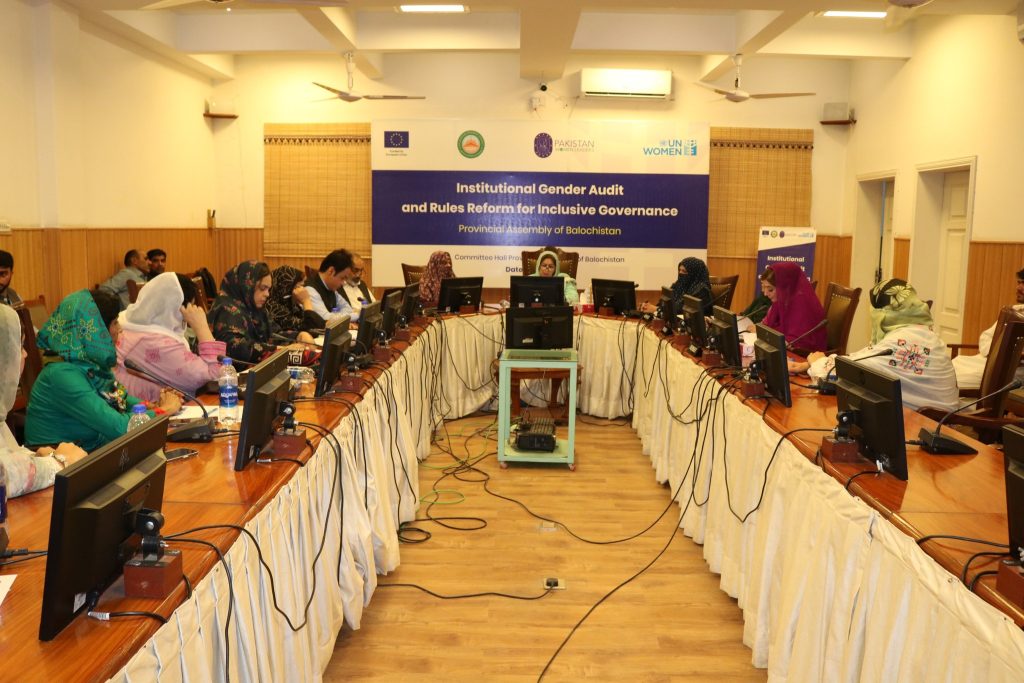
Every year on International Women’s Day, the world celebrates the achievements of women while reflecting on the challenges they continue to face. In Pakistan, one of the most pressing yet often overlooked issues is the growing technology gap between men and women.
Technology has transformed how people work, communicate, learn and build businesses. Yet for millions of women in Pakistan, access to digital tools and opportunities remains limited. From restricted internet access and lack of technical education to workplace barriers and social expectations, Pakistani women often face multiple hurdles in entering and thriving in the technology sector.
Despite these obstacles, women across the country are increasingly stepping into technology roles — as software engineers, entrepreneurs, digital creators and innovators gradually reshaping the country’s digital landscape.
The digital divide
Pakistan has experienced rapid digital growth over the past decade. Mobile internet penetration has expanded significantly, and millions of people now rely on smartphones for education, business and communication.
However, the benefits of digital transformation are not equally distributed.
Studies have shown that women in Pakistan are far less likely to own a smartphone or access the internet compared with men. Cultural restrictions, financial limitations and safety concerns often prevent women from using technology freely.
In many conservative communities, families hesitate to provide girls with smartphones or unrestricted internet access, fearing exposure to inappropriate content or social pressure. As a result, girls often grow up with limited digital exposure while their male counterparts gain early familiarity with technology.
This digital divide affects women’s educational opportunities, job prospects and ability to participate in the digital economy.
Education barriers in STEM
Another major challenge is the underrepresentation of women in science, technology, engineering and mathematics (STEM) education.
Although women make up a significant portion of university students in Pakistan, their presence in technology-focused fields remains relatively small. Many girls are encouraged to pursue traditionally “acceptable” professions such as medicine or teaching rather than engineering, computer science or artificial intelligence.
In rural areas, the situation can be even more difficult. Limited access to quality education, early marriages and financial constraints often prevent girls from continuing higher education, let alone entering technology-related disciplines.
Yet there are signs of change. Pakistani universities are gradually seeing an increase in female students enrolling in computer science and IT programmes. Technology boot camps, coding academies and online learning platforms are also helping women gain digital skills outside traditional academic pathways.
Workplace challenges in tech
Even when women succeed in acquiring technical education, entering and advancing in the technology industry presents its own set of challenges.
The tech sector in Pakistan, like many parts of the world, remains male-dominated. Women often face gender bias, limited mentorship opportunities and fewer leadership roles.
Workplace culture can also pose barriers. Long working hours, lack of flexible schedules and safety concerns during commuting make it difficult for many women to sustain careers in technology.
Some women report that they must constantly prove their technical abilities in environments where male colleagues are automatically perceived as more capable.
These challenges contribute to a phenomenon known as the “leaky pipeline”, where women gradually leave technology careers despite having the necessary skills and qualifications.
Social expectations and cultural pressures
Beyond the workplace, societal expectations also influence women’s participation in technology.
In many Pakistani households, women are expected to prioritise family responsibilities over professional careers. This can make it difficult for them to pursue demanding technology roles or entrepreneurial ventures.
Family support plays a crucial role in determining whether women can build careers in technology. Those who receive encouragement from parents, spouses or siblings are often more likely to succeed.
At the same time, stereotypes about women’s capabilities in technical fields continue to persist. Young girls rarely see female role models in technology leadership positions, which can discourage them from considering such careers.
The rise of women in Pakistan’s tech ecosystem
Despite these barriers, a growing number of Pakistani women are breaking into the technology sector and achieving remarkable success.
Women-led startups are emerging in areas such as fintech, e-commerce, health technology and education technology. Many female entrepreneurs are building digital platforms that address real social problems from online healthcare services to platforms connecting home-based workers with global markets.
Freelancing has also opened new doors. Pakistan is among the world’s fastest-growing freelance markets, and thousands of women now earn income through remote work in fields like software development, graphic design, digital marketing and content creation.
Working from home allows women to bypass some of the mobility and cultural restrictions that traditionally limit their career options.
Government and private sector initiatives
Recognising the importance of digital inclusion, various organisations are launching initiatives to empower women in technology.
Government programmes are increasingly focusing on digital literacy and entrepreneurship training for women. Technology parks, incubation centres and innovation hubs are also encouraging female participation.
Private sector companies and international organisations have begun offering scholarships, mentorship programmes and coding boot camps designed specifically for women.
Such initiatives aim not only to improve women’s access to technology but also to help them become leaders and innovators in the digital economy.
The importance of digital safety
One of the major concerns preventing women from engaging fully online is digital harassment and cyberbullying.
Many women hesitate to participate in online discussions or build a public digital presence due to fear of harassment on social media platforms.
Cyberstalking, abusive messages and privacy violations remain serious issues that discourage women from exploring digital opportunities.
Strengthening digital safety laws, improving reporting mechanisms and promoting respectful online behaviour are essential steps toward making the internet a safer space for women.
Why women in tech matter
Increasing women’s participation in technology is not just a matter of gender equality — it is also an economic necessity.
Technology is one of the fastest-growing sectors globally, and countries that fail to include women in this digital transformation risk losing half of their potential workforce.
Research consistently shows that diverse teams produce better innovations and more inclusive solutions. Women bring unique perspectives to product design, software development and technological research.
In Pakistan’s context, empowering women in technology could significantly boost economic growth, innovation and digital entrepreneurship.
The role of media and storytelling
As a technology journalist, telling the stories of women working in technology is an important responsibility.
Visibility matters. When young girls see successful women working as engineers, developers or tech founders, it challenges stereotypes and expands their sense of what is possible.
Media coverage can help highlight both the achievements of women in technology and the systemic barriers they continue to face.
Such storytelling not only celebrates progress but also encourages policymakers, educators and businesses to take meaningful action.
A future shaped by inclusion
Pakistan stands at a critical moment in its digital journey. The country has a rapidly growing youth population and an expanding technology sector with global potential.
Ensuring that women are included in this transformation will be essential for building a sustainable and innovative digital economy.
This requires coordinated efforts from governments, educational institutions, technology companies and families. Expanding digital education for girls, improving workplace inclusivity, strengthening cyber safety and promoting female leadership in technology are all key steps toward closing the gender gap.
On this International Women’s Day, the story of women in Pakistan’s technology sector is one of both challenge and resilience.
Women continue to face barriers in accessing technology, pursuing STEM education and building careers in the tech industry. Yet many are overcoming these obstacles with determination, creativity and courage.
From students learning to code in small towns to entrepreneurs launching digital startups in major cities, Pakistani women are slowly but steadily transforming the country’s technological landscape.
The challenge now is to ensure that their progress is supported, amplified and sustained.
Because when women succeed in technology, the entire society moves forward.
About Author