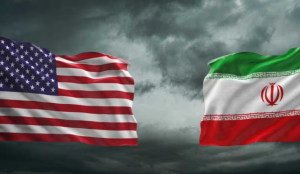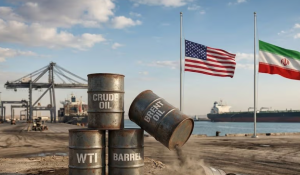
ran as tensions persist despite diplomatic efforts
By Sabeeh Zanair :
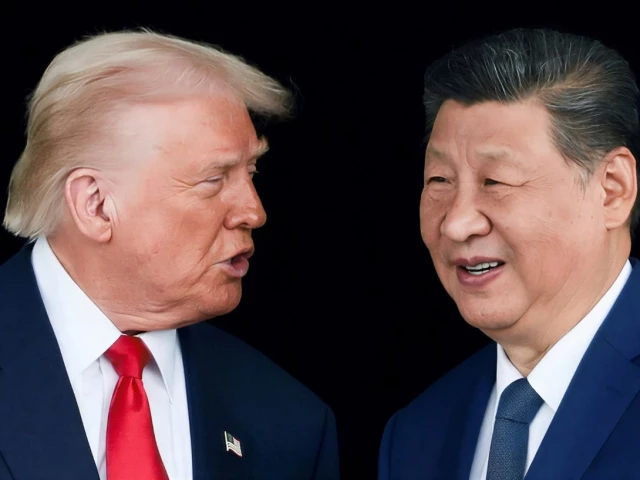
United States President Donald Trump has said that China has agreed not to supply weapons to Iran, as he pledged to reopen the strategically vital Strait of Hormuz amid ongoing tensions in the Middle East.
Writing on his Truth Social platform, Mr Trump claimed that Xi Jinping had assured him Beijing would refrain from sending arms to Tehran. He added that reopening the strait would benefit both China and the wider global economy.
The remarks come ahead of Mr Trump’s planned visit to Beijing in mid-May, which would mark his first trip to China since returning to office.
His comments follow stalled negotiations between Washington and Tehran in Islamabad, where talks mediated by Pakistan ended without agreement after more than 20 hours of discussions. Despite the impasse, diplomatic contacts have continued through indirect channels.
In a move that heightened tensions, the United States has enforced a naval blockade targeting Iranian maritime trade, prompting strong warnings from Iranian officials. Tehran has said the measure violates the existing ceasefire and warned it could respond by disrupting shipping routes across the region.
Iranian President Masoud Pezeshkian has maintained that Iran does not seek conflict and remains open to dialogue, but warned against attempts to impose external pressure. Officials in Tehran say message exchanges with Washington are continuing through intermediaries, including Pakistan.
The blockade has already begun to affect shipping activity, with vessels reportedly turning away from Iranian ports. US military officials say the measures have significantly disrupted Iran’s maritime trade, which is a key component of its economy.
Despite rising tensions, there are signs that negotiations could resume in the coming days. US Vice President JD Vance has indicated cautious optimism, while analysts suggest that both sides remain interested in reaching a broader agreement.
Key sticking points in the مذاکرات include Iran’s nuclear programme, sanctions relief and control over regional waterways, particularly the Strait of Hormuz, which remains critical to global energy supplies.
The conflict, which began in late February, has led to thousands of deaths and widespread instability across the region. While a ceasefire remains in place, officials warn it is fragile, with any escalation at sea or on regional fronts risking a renewed confrontation.
About Author