Pakistan Scrambles to Avert Gas Shortfall After Qatar LNG Disruption
By Shahzad Paracha :
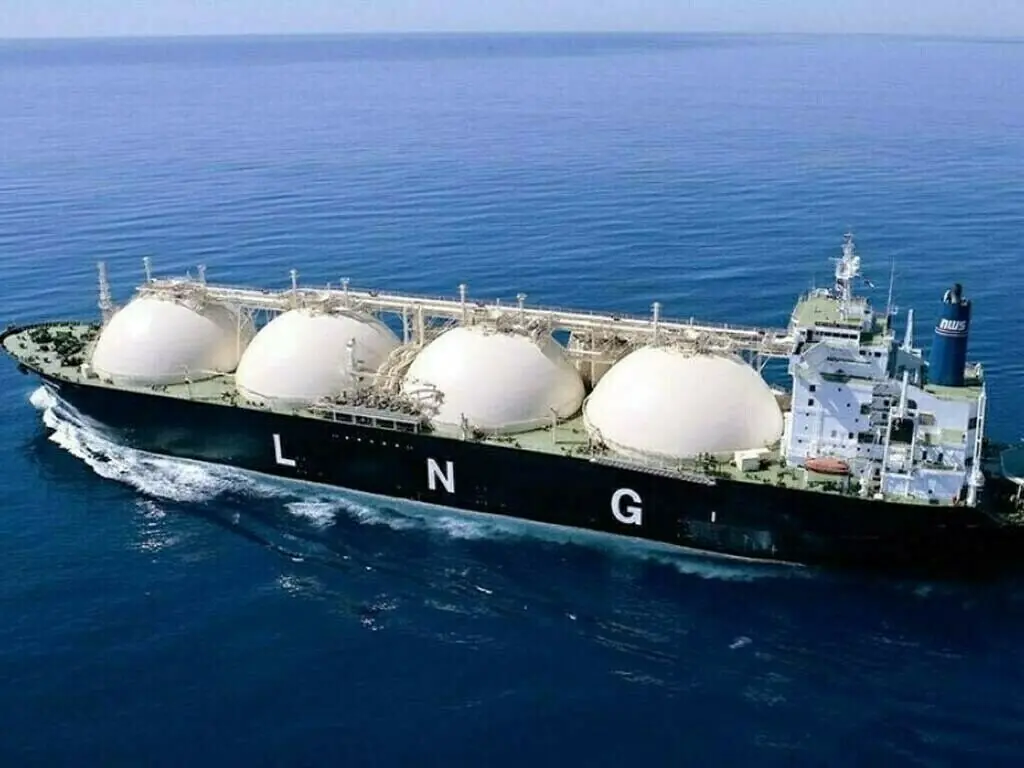
Pakistan’s energy authorities are weighing emergency measures to prevent a potential gas shortage after QatarEnergy suspended liquefied natural gas (LNG) production in the wake of missile attacks from Iran and shipping disruptions in the Strait of Hormuz.
The development has underlined the country’s heavy dependence on imported LNG, prompting officials to accelerate contingency planning including restoring curtailed domestic gas output and exploring alternative supply channels.
The disruption in Qatar’s production, coupled with tighter tanker traffic near the Strait of Hormuz, has unsettled global energy markets and exposed Pakistan’s vulnerability to external supply shocks. Policymakers are now working to stabilise pipeline pressure, prevent shortages and secure reliable LNG cargoes in the coming months.
Immediate Domestic Measures
Officials say around 350 million cubic feet per day (MMcf/d) of previously curtailed local gas production will be restored immediately. The output had earlier been reduced to manage line-pack pressure in the transmission system.
There are also plans to increase domestic oil and gas production if required to meet demand.
Authorities are considering sourcing between 200 and 250 MMcf/d of LNG through Socar Trading Company should consumption rise unexpectedly. A formal plan is expected to be finalised within days.
Existing LNG Arrangements
Under current long-term agreements, Pakistan imports nine LNG cargoes each month from QatarEnergy, along with one monthly cargo from Eni.
Earlier this year, Islamabad negotiated with Qatar to divert two LNG cargoes per month scheduled for 2026, while the cargo sourced from Eni was also redirected to the LNG market after domestic demand was projected to fall by around 300 MMcf/d.
Following those adjustments, the Power Division reported that nine LNG cargoes per year remain surplus, as demand for LNG-based power generation has declined. Domestic gas consumption currently stands at approximately 400 MMcf/d.
Demand Pressures and Contingency Plans
A senior official said relatively low heating and cooling demand in March should help keep consumption under control, with electricity demand unlikely to spike.
However, in the event of a sudden surge, industrial and commercial consumers could face extended gas load shedding, while domestic users would remain protected.
Pakistan can, if necessary, procure additional LNG cargoes under a one-year agreement signed in July 2023 with Socar, which is extendable for another year. Under the arrangement, Socar may offer cargoes 45 days in advance, which Pakistan LNG Limited (PLL) can accept.
Officials caution, however, that Socar’s supply commitments to China, Japan and India could constrain availability. LNG cargoes previously diverted from Eni are also unlikely to be restored.
Structural Vulnerabilities Exposed
Energy analysts say the episode once again highlights Pakistan’s structural dependence on imported fuel.
“Every Gulf crisis exposes our over-reliance on imported LNG and crude,” one expert said. “When chokepoints like the Strait of Hormuz are threatened, Pakistan has almost no buffer.”
With tensions continuing between the United States, Israel and Iran, Islamabad faces a delicate balancing act — restoring domestic output, securing alternative LNG supplies and managing demand — in a volatile international market where spare capacity may be limited.
About Author