Trump Says US Still Unsatisfied With Iran Deal Terms as Tensions Persist
By Sabeeh Zanair :
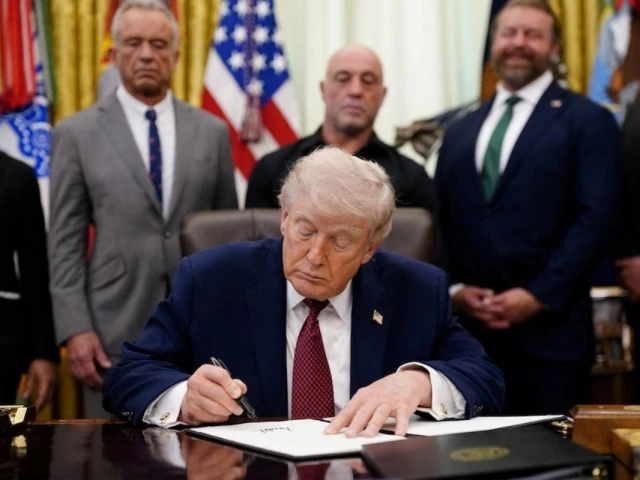
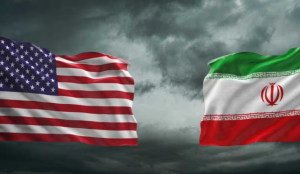
US President Donald Trump has said Washington remains dissatisfied with the terms of an emerging agreement with Iran, despite ongoing negotiations aimed at preventing a renewed escalation in the Middle East conflict.
Speaking during a cabinet meeting on Wednesday, Trump said Tehran appeared eager to secure a deal but warned that the United States was prepared to resume military action if negotiations failed.
“Iran is very much intent, they want very much to make a deal,” Trump told reporters. “So far, they haven’t gotten there and we’re not satisfied with it.”
He added that if diplomacy failed, Washington would “finish the job,” in remarks that underscored the fragile nature of the ongoing talks.
The comments came amid growing speculation over a possible agreement between Washington and Tehran after Iranian state television reported what it claimed were details of a draft framework under discussion.
According to the Iranian report, the proposed arrangement included the reopening of the Strait of Hormuz and a withdrawal of American military forces from parts of the region.
However, the White House swiftly rejected the report, describing the published details as a “complete fabrication”.
Neither Washington nor Tehran has officially released any draft agreement, and several major points of disagreement appear unresolved.
US Secretary of State Marco Rubio acknowledged that some progress had been achieved in negotiations but stopped short of indicating a breakthrough.
“There has been some progress and some interest,” Rubio said, adding that the coming days would determine whether meaningful advancement could be achieved.
Despite cautiously optimistic remarks from US officials, both sides have continued to send mixed signals about the pace and likelihood of a final agreement.
Last week, diplomatic sources suggested negotiations were advancing and that a possible announcement could be close. However, Iranian officials later stated that an agreement was “not imminent”, while Trump publicly said he had instructed negotiators not to rush the process.
The latest dispute also centred around reports concerning control of the Strait of Hormuz, one of the world’s most strategically important shipping routes through which a major share of global oil exports pass.
Iranian media claimed the draft proposal would allow Tehran and Oman to oversee vessel routing and maritime management in the waterway, while commercial shipping would gradually return to pre-war levels.
Trump rejected any suggestion that Iran would control the strait, insisting that shipping traffic would reopen immediately and without restrictions.
The reported framework also omitted any indication that Iran would abandon its nuclear programme or surrender its stockpile of highly enriched uranium, issues that remain central to US and Israeli demands.
Trump additionally denied reports suggesting Washington was considering easing sanctions on Tehran or permitting Russia and China to remove Iranian uranium stockpiles — proposals that would likely face criticism within the United States.
The conflict between Iran, the United States and Israel escalated sharply after large-scale strikes launched on February 28 targeted Iranian military and nuclear-linked infrastructure.
Iran responded with missile and drone attacks against Israel and US-allied Gulf states, while tensions in the Persian Gulf disrupted maritime trade and caused global oil prices to surge.
The situation worsened further after Iran effectively restricted movement through the Strait of Hormuz, raising fears of a broader regional economic crisis due to potential disruptions in global energy supplies.
A ceasefire agreement brokered on April 8 helped reduce large-scale hostilities, although tensions have remained high and sporadic military exchanges have continued.
This week, the US military carried out what it described as “self-defence strikes” against targets in southern Iran, including missile positions and boats allegedly attempting to deploy naval mines.
Washington said the operations were intended to protect American personnel and allied shipping routes in the Gulf.
Tehran condemned the strikes as a violation of the ceasefire agreement and accused Washington of escalating tensions at a sensitive stage in negotiations.
The latest developments highlight the continuing uncertainty surrounding efforts to reach a broader diplomatic settlement between Iran and the United States, with major disagreements still unresolved over sanctions, regional security, maritime access and Tehran’s nuclear activities.
About Author