Opposition Parties Plan Separate Anti-Inflation Protests Amid Continued Rift
By Tahir Shah :
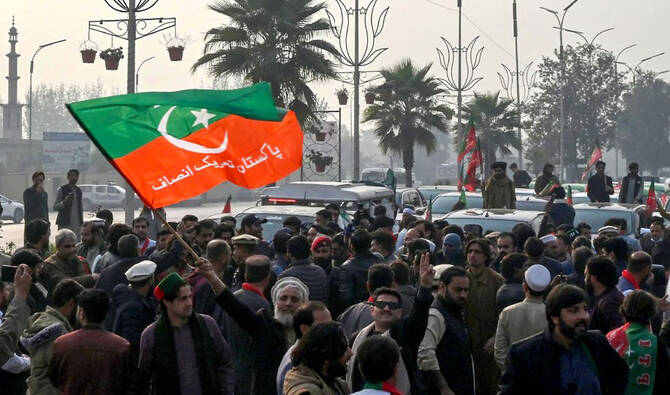
Major opposition parties are preparing to launch protests against the government over rising inflation and worsening economic conditions on Friday, but deep political divisions continue to prevent the formation of a united opposition front.
While several opposition groups have announced demonstrations against inflation, fuel prices, and governance issues, parties including Tehreek-e-Tahafuz Ayeen-e-Pakistan, Jamiat Ulema-e-Islam (F), and Jamaat-e-Islami are moving ahead with separate protest plans, exposing persistent mistrust among opposition ranks.
The lack of coordination comes despite overlapping criticism of the government’s economic policies and growing public concerns over inflation, taxes, and fuel prices.
TTAP Announces Nationwide Demonstrations
The latest protest announcement came from the opposition alliance Tehreek-e-Tahafuz Ayeen-e-Pakistan, whose key members include Pakistan Tehreek-e-Insaf and allied opposition groups.
Following a late-night meeting attended by PTI leaders and allied figures, the alliance announced nationwide demonstrations scheduled for May 22.
Apart from economic concerns, TTAP’s protest campaign is also focused on issues surrounding former prime minister Imran Khan, including his incarceration and demands related to medical treatment and access.
Opposition Leader in the National Assembly Mahmood Khan Achakzai warned that the opposition would intensify its response if meetings with Imran Khan and concerns regarding his treatment were not addressed.
JUI-F and JI Maintain Separate Agendas
Despite similarities in protest timing and rhetoric, senior leaders from both Jamiat Ulema-e-Islam (F) and Jamaat-e-Islami ruled out joining a PTI-backed protest platform.
JUI-F chief Fazlur Rehman had already announced anti-inflation protests during a rally in Karachi on May 15, criticising worsening economic conditions and rising costs of living.
Similarly, Jamaat-e-Islami chief Hafiz Naeemur Rehman recently filed a constitutional petition challenging increased fuel prices and taxation while also announcing a nationwide protest movement beginning May 22.
However, both parties signalled that they preferred to mobilise independently rather than participate under a broader opposition alliance led by PTI.
Trust Deficit With PTI
Senior JUI-F leader Kamran Murtaza openly acknowledged that trust issues with PTI remained a major obstacle to joint opposition action.
He said that although JUI-F had cooperated with PTI on previous constitutional matters, including developments linked to the 26th Constitutional Amendment, the party later felt it was unfairly blamed after those political processes concluded.
According to Murtaza, these past experiences contributed to continuing mistrust despite both sides sharing opposition to the current government.
JI Deputy Chief Liaquat Baloch also dismissed the idea of a unified protest platform, saying every political party had the right to organise protests through its own structure and agenda.
PTI Calls for Unity on Public Issues
Responding to criticism over opposition fragmentation, PTI Sindh President Haleem Adil Sheikh argued that political parties should at least unite on issues directly affecting the public, particularly inflation and governance failures.
He said the opposition alliance had previously attempted to build broader coordination around economic concerns. According to him, Mahmood Khan Achakzai had earlier conveyed to Fazlur Rehman that political differences should not prevent opposition parties from jointly highlighting public hardships caused by inflation.
Despite such efforts, no unified opposition platform has emerged so far.
Rising Inflation Dominates Political Debate
The planned demonstrations come amid growing public frustration over inflation, rising utility costs, fuel price hikes, and new taxation measures expected in the upcoming federal budget.
Opposition parties have increasingly accused the government of failing to provide relief to ordinary citizens while implementing policies linked to ongoing economic reforms and international financial commitments.
Political analysts believe the inability of opposition parties to coordinate a unified movement may weaken pressure on the government despite shared public concerns over economic conditions.
At the same time, separate protest campaigns by multiple opposition groups indicate that inflation and cost-of-living issues are likely to dominate Pakistan’s political landscape in the coming weeks.
About Author