
Web Summit Vancouver 2026 Showcases AI Sovereignty, Creativity and the Future of Global Innovation
By Web Desk
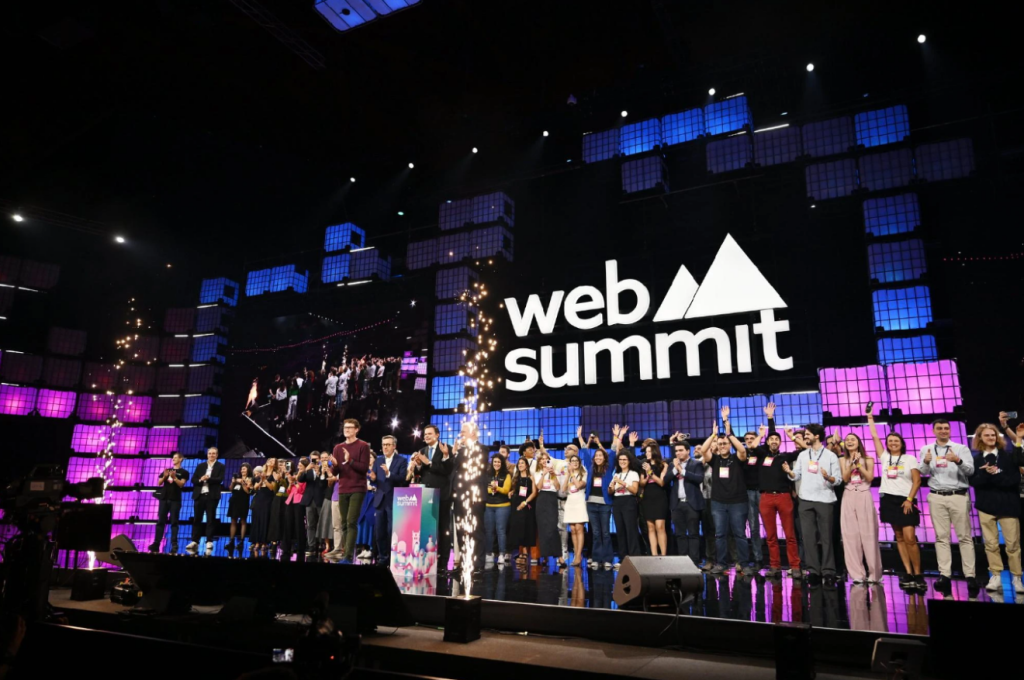
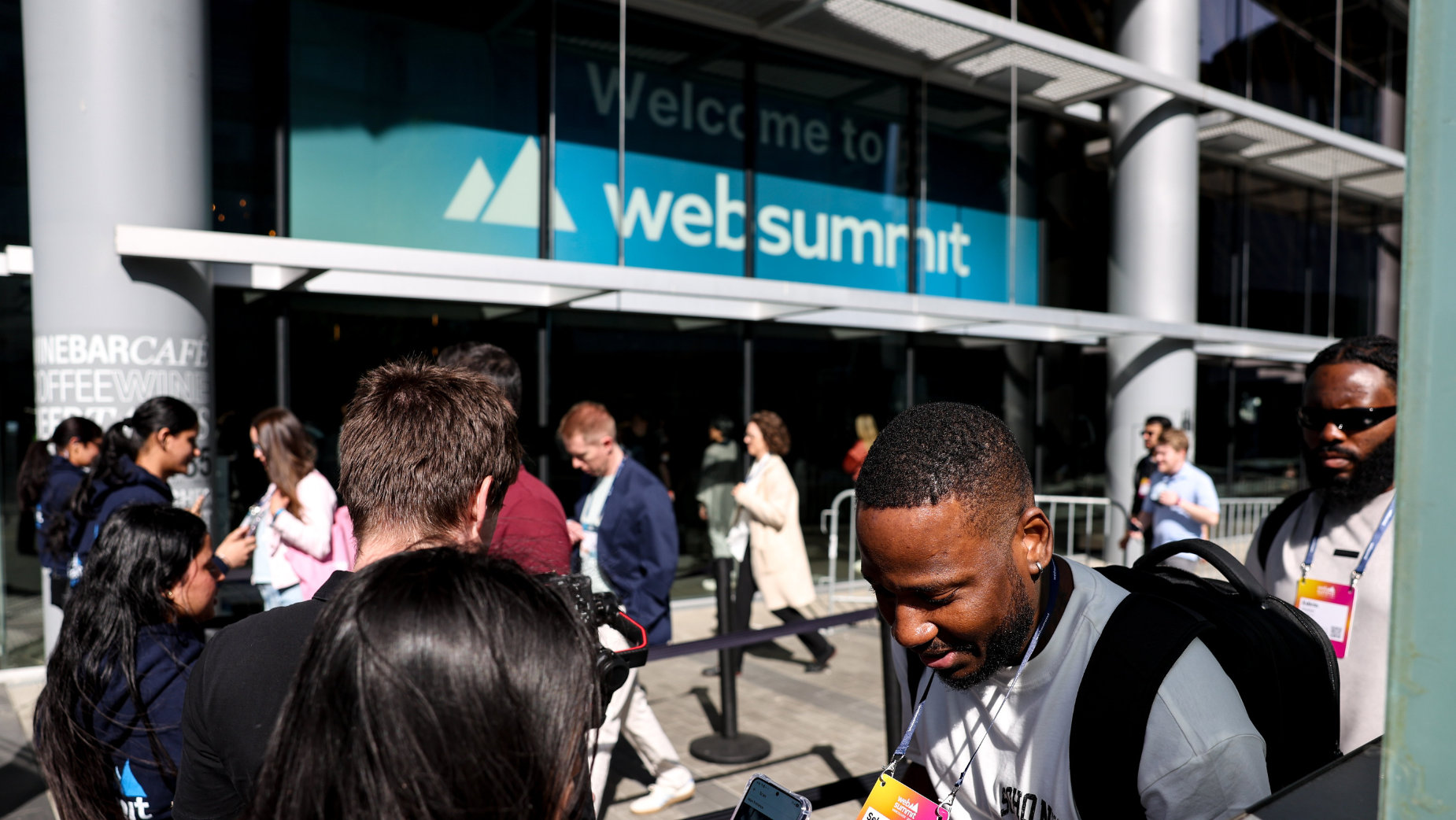
The late spring sun ricocheted off the glass-curtain walls of the Vancouver Convention Centre as more than 20,000 technology enthusiasts from over 100 countries descended on Web Summit Vancouver 2026 this week. Among the attendees were 1,197 startups showcasing emerging ventures in AI and machine learning, SaaS, health tech, wellness, and fintech to a rabble of 768 global investors – part of a turnout reportedly 30% larger than last year’s.
The summit’s stages played host to conversations spanning AI infrastructure, creative automation, energy sustainability, venture capital, and the increasingly uneasy relationship between technological acceleration and public trust. Yet, threaded through many of the week’s most significant discussions was a deeper concern around control. Questions surrounding who owns the systems shaping the future, who governs them, and where that power ultimately resides were put to almost every speaker on every stage. The responses were at once insightful, conflicted, and quietly revealing of an industry still trying to define its own boundaries.

‘Sovereignty Not Solitude’
What quickly became clear – and came as no surprise – is that AI remains the dominant topic of discussion.
Day one began with an address from Evan Solomon, Canada’s minister of artificial intelligence and digital innovation. He was immediately quizzed by the room of journalists on the three new data centre sites which had been announced the day before, on Monday 11th May. With two due to be built in Vancouver, and one in Kamloops, according to the government representative, these new facilities will be “some of the most efficient, modern, and remarkable data centres in the world.”
Defending the news, Solomon emphasised that Canada must build “sovereign data centres” and cloud infrastructure in order to compete globally. When asked about US competition, he explained that control was of the utmost importance: ensuring Canadian data, IP, and privacy remain under Canadian law, and do not fall victim to US coercion. In doing so, the minister positioned AI infrastructure as a rare geopolitical opening for Canada as a medium power.
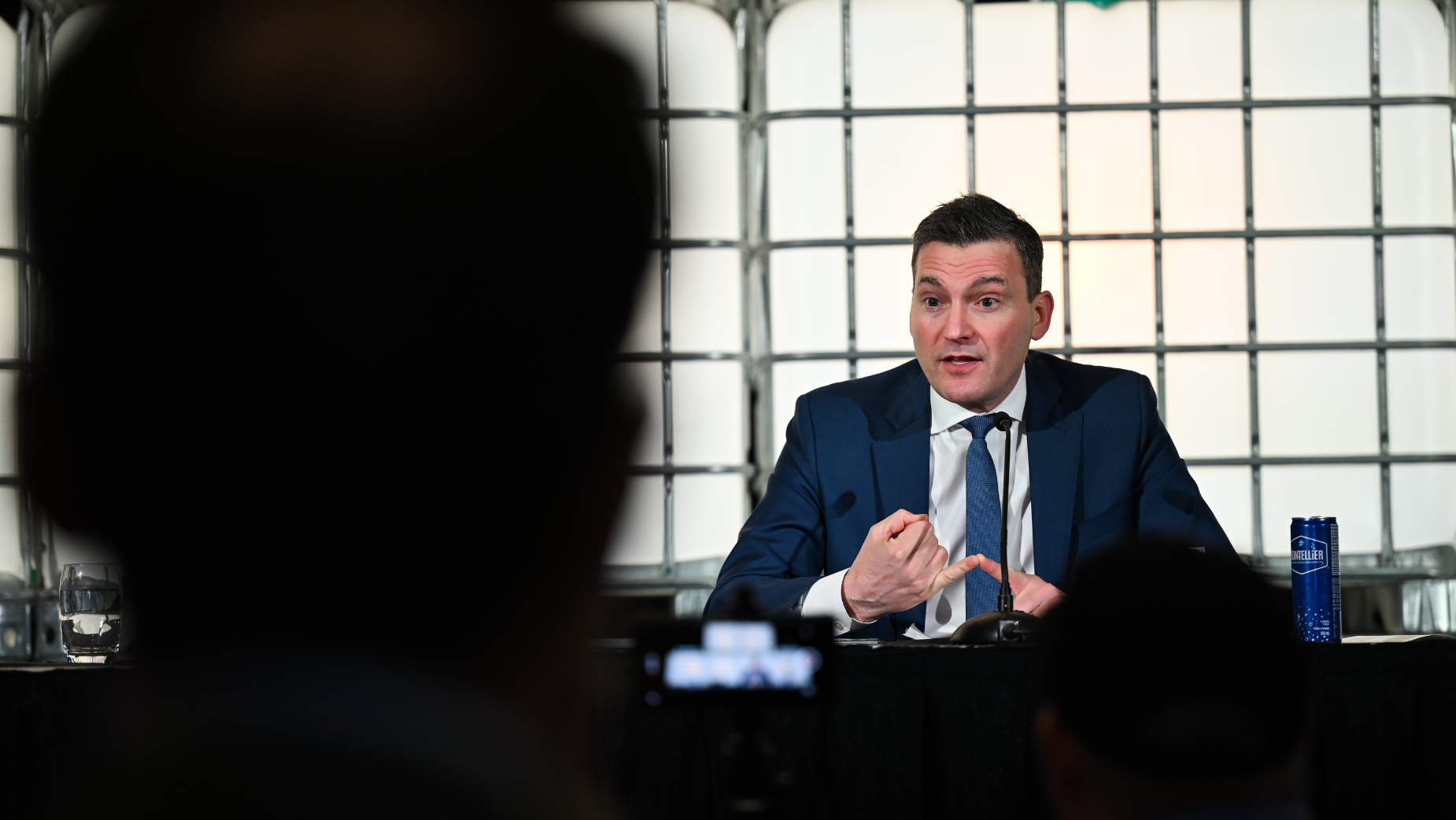
His address weighed in on the energy paradox. Because, as Solomon pointed out, while AI demand is enormous, current data centres are inefficient. Insisting that the TELUS model was exemplary, he explained that the proposed new data centres will use “closed-loop water systems”, heat reuse to warm 150,000+ homes, and, crucially, use energy twice (once for computing, once for heating), therefore positioning Canada’s clean energy grid as a competitive advantage.
Additionally, rather than contending solely via capital (where the US continues to dominate), Solomon insisted on the importance of talent and innovation, stressing Canada’s key strengths: three of the best AI national institutes, a strong education system, and a $1.7 billion talent attraction programme. He also spoke plainly on the subject of doing business with the US, citing the country as “our biggest customer… and [that] sovereignty is not solitude.”
When challenged about billionaires benefitting from public money, Solomon reframed. The goal is supporting Canadian entrepreneurs staying in Canada, building IP here, and creating jobs as opposed to enriching foreign interests. The sovereign data centre requirement ensures public investment seeds a Canadian ecosystem.
It felt like Solomon’s closing statement best captured the summit’s broader tension, “Technology moves at the speed of innovation and citizens move at the speed of trust”. The line distilled a recurring theme across the week: that the future of AI will depend on both technical advancement and public confidence in the institutions building it.
AI Is Everything, Everywhere, All at Once
During a panel on the realities of AI implementation in advertising and marketing, David Placek, founder and creative director of Lexicon Branding, challenged a common narrative.
“We look at AI not so much as a problem, [but] as an opportunity, really,” he said. “And the opportunity, which is sometimes a surprise to people, it’s not about the more creative things that AI can do for you – it’s the judgement that you need.”
He added that companies already have mountains of data and insights scattered across their organisations, but that AI’s real superpower is unifying this data and applying objective analysis to evaluate creativity… as opposed to generating it.
This take felt like a crucial reframe for brands, and a suggestion to not replace creative teams with AI, but give them better tools to make smarter decisions about which of their ideas actually work.
Later in the panel, Jason Carmel, the global creative data lead at VML, articulated the primary tension by highlighting his constant innovation fatigue.
“I’m so goddamn tired,” he said, jokingly. “Every 30 minutes, a new ‘innovation’ model comes out… I’m done, I’m DONE.” The exhaustion clearly resonated across the room.

Continuing on in the same candid vein, Jason addressed the realities of the panel’s title, ‘Selling the AI Dream’. Reflecting on the key challenges facing him and his team – to “make sense of it all so that we can then make sense for the people who hire us” – he suggested a solution that speaks to a deeper organisational challenge.
How do you build a culture where people can experiment without everyone burning out whilst trying to stay current? According to Jason, it isn’t more tools or more training; it’s structured permission to focus on specific areas, while trusting colleagues to cover others.
This panel stood out for its refreshing honesty. These weren’t consultants theorising about AI. David has built a proprietary language model and is using it with real clients. Lindsay Smith – founder and CEO of full-service creative agency, Takt – shipped a real product with real constraints. Jason is actually managing teams trying to figure out what to pay attention to. What distinguished the conversation was that none of the speakers were theorising from a distance. They were speaking from the exhaustion, uncertainty, and incremental wins of actually implementing these systems in real time.
All three pointed toward their lived experience of AI success, which they say depends less on the technology, and more on organisational discipline, clear business problems to solve, and realistic timelines. The agencies and brands winning are being strategic about what they test, and why.
Creativity over Conformity
Another stand out moment came from a discussion between OpenAI head of business, creative, Andrew McKechnie, and SYLVAIN chief strategy officer, Chris Konya. Moderated by Amy Nordrum, executive editor of the MIT Technology Review, the ‘Creativity over Conformity’ panel focused on the importance of cultivating creativity within companies, particularly in the early stages of building a product or brand.
Andrew and Chris highlighted how the current environment of chaos, disruption, and fear poses challenges to the creative process, which requires sustained focus, courage, and resilience. They also emphasised the goal of balancing immediate tactical needs with building a team that can think long-term and connect the dots for the future.
As part of this, the speakers explored the role of best practices and data from past campaigns, noting that while these can provide helpful frameworks, they should not limit creativity. Notably, both believed in using AI tools to enhance the creative process, especially for things such as automating repetitive tasks and introducing diverse perspectives. However, they also acknowledged that certain aspects of human creativity, such as the emotional connection and the joy of the creative process, cannot be fully replicated by AI.
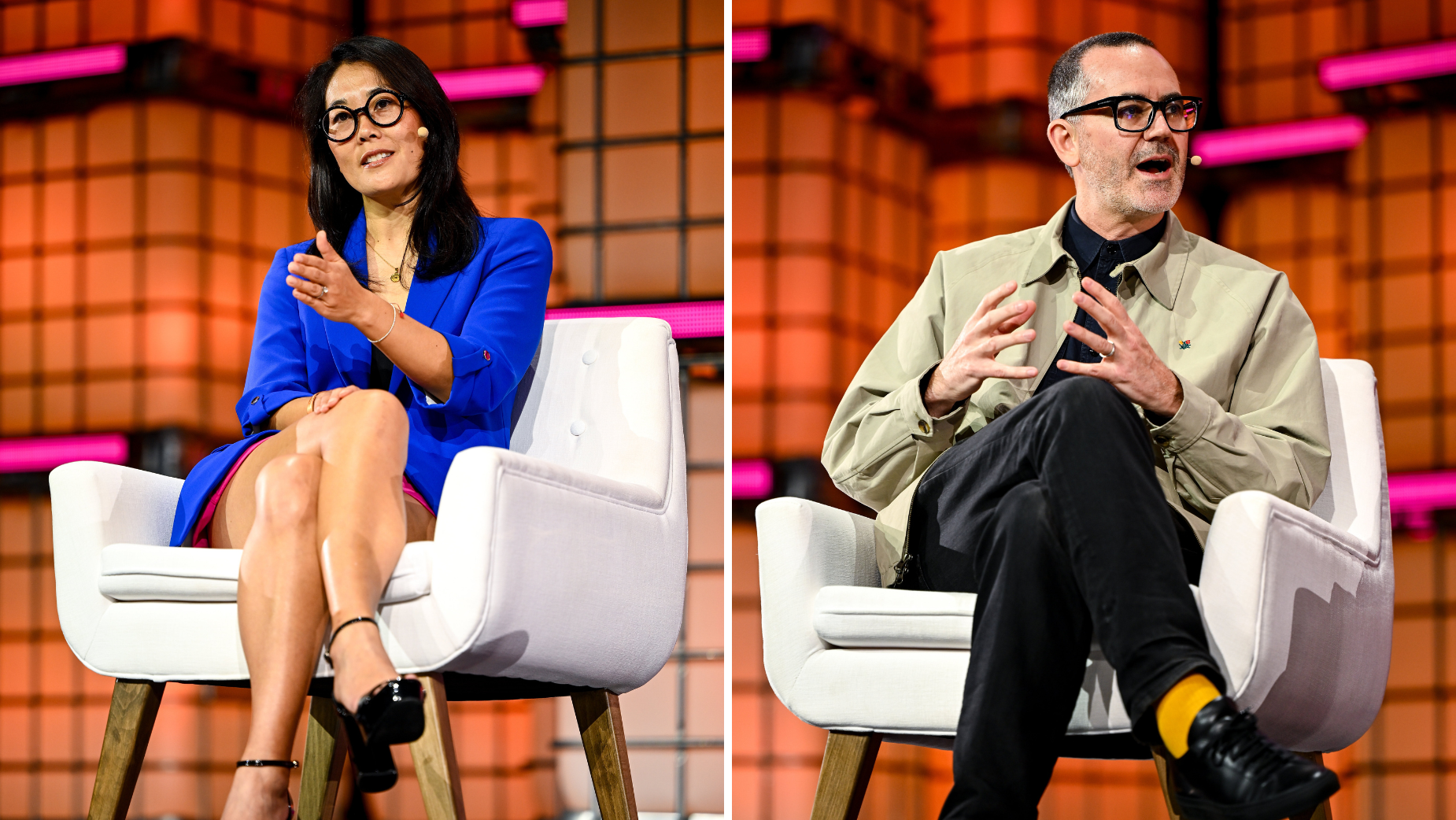
Andrew admitted he spends a lot of time “thinking about how humans react to things, as a way to guide a creative process or an idea” and acknowledged that “the act of making is still very much alive.”
Overall, the discussion highlighted the importance of cultivating a culture that embraces creativity, adaptability, and a long-term perspective, particularly in the face of rapid technological and environmental changes.

Across the summit’s stages, one message became increasingly clear: the conversation around AI is maturing. The industry’s fixation on scale and disruption remains, but it is now being tempered by harder questions around sovereignty, sustainability, trust, labour, and human creativity. From my vantage point, Web Summit Vancouver 2026 suggested the next era will be shaped by accountability as much as innovation.
About Author