
Sindh lifts fixed closing time restrictions for markets and restaurants
By Shahzad Paracha :
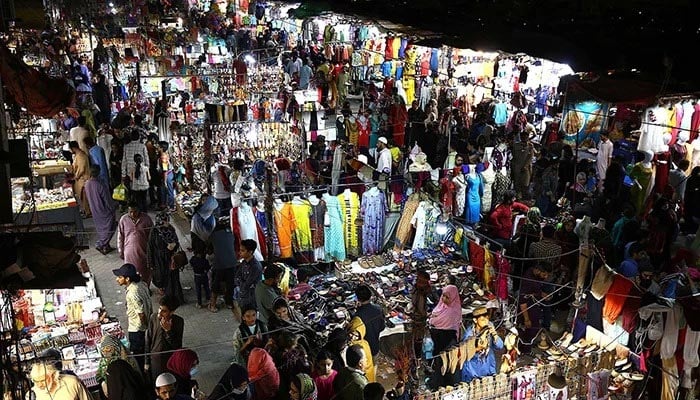
The Sindh government has withdrawn fixed closing time restrictions for markets, shopping malls, restaurants, hotels and wedding halls, providing relief to traders and businesses after weeks of energy conservation measures introduced amid rising fuel prices.
Senior Sindh Minister Sharjeel Inam Memon announced the decision on social media, saying the provincial government had exempted commercial centres and hospitality businesses from previously imposed operational deadlines.
“This decision reflects our commitment to economic growth, public convenience, and support for the business community, which remains the backbone of our economy,” Memon said in a statement posted on X.
According to an official notification shared by the minister, shops, markets, shopping malls, hotels, restaurants, food outlets, marriage halls and marquees will now be allowed to operate according to their regular business schedules.
The restrictions had originally been introduced under a broader energy conservation and austerity policy aimed at reducing electricity and fuel consumption following sharp increases in domestic fuel prices linked to tensions and conflict in the Middle East.
Last month, authorities across Pakistan implemented reduced business hours as part of nationwide measures intended to control energy usage and ease pressure on fuel imports.
Under the earlier Sindh government policy, shops, markets and malls in districts outside divisional headquarters were ordered to close by 8pm throughout the week, including weekends.
In divisional headquarters, businesses had been permitted to continue operations until 9pm.
However, several essential services were exempted from the restrictions, including bakeries, pharmacies, clinics, hospitals, fuel stations, milk shops and standalone tandoors.
Business groups and trader organisations had repeatedly criticised the reduced operating hours, arguing that the measures negatively affected commercial activity, particularly in urban centres where businesses depend heavily on evening customers.
Memon said the latest decision was taken after consultations with traders and industrialists and after considering concerns raised by the business community regarding operational difficulties and declining commercial activity.
He added that the provincial government remained committed to supporting economic stability and facilitating businesses despite difficult economic conditions.
“The government believes in promoting business activities, facilitating citizens and ensuring economic stability,” he said.
The minister further stated that the government would continue taking measures to address issues faced by traders and commercial sectors.
The decision is likely to be welcomed by retailers, restaurant owners and wedding hall operators who had argued that shorter operating hours were affecting revenues, employment and customer activity, especially during the ongoing wedding and summer business season.
Economic analysts say provincial governments have been under increasing pressure to balance austerity measures with the need to maintain commercial activity at a time when Pakistan continues to face inflation, energy challenges and slower economic growth.
The easing of restrictions also reflects broader concerns among policymakers about sustaining economic momentum while managing rising fuel and electricity costs.
Pakistan introduced several conservation measures earlier this year as part of wider efforts to reduce energy consumption and limit the financial burden caused by higher global oil prices.
The federal government’s austerity strategy included reduced working hours, limitations on energy usage and directives aimed at lowering fuel consumption across both public and private sectors.
However, traders’ associations in several cities had argued that the restrictions disproportionately affected small businesses, restaurants and retail markets already struggling with inflation and declining consumer spending.
Observers say the Sindh government’s decision could place pressure on other provinces to reconsider similar restrictions if commercial groups continue demanding relaxed business regulations.
The move is also being viewed as an attempt by the provincial administration to maintain support from the business community at a time when economic pressures remain a major public concern across the country.
About Author