
Pakistan receives $1.3bn from IMF under bailout and climate resilience programmes
By Shahzad Paracha :
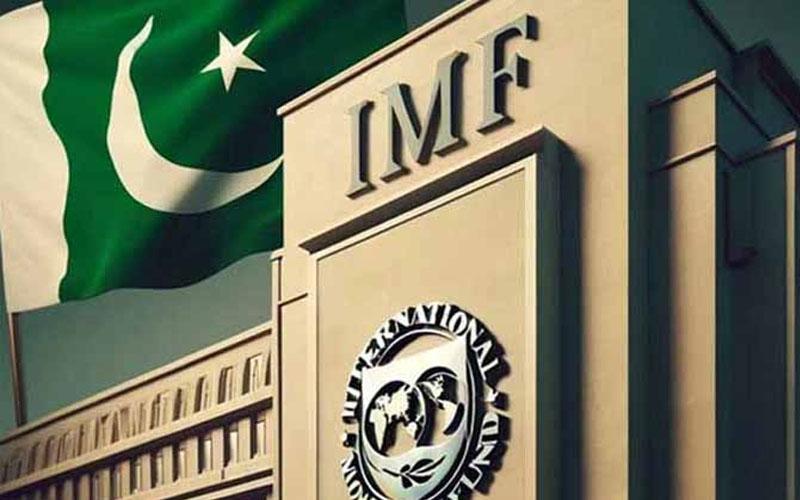
Pakistan’s central bank said on Wednesday it had received around $1.3bn from the International Monetary Fund (IMF) following the completion of a key review under the country’s ongoing financial support programme.
In a statement posted on social media, the State Bank of Pakistan said the IMF had released funds under both the Extended Fund Facility (EFF) and the Resilience and Sustainability Facility (RSF), strengthening the country’s foreign exchange reserves at a time when Islamabad is attempting to maintain economic stability.
According to the central bank, the IMF Executive Board approved the release of Special Drawing Rights (SDR) worth 760 million under the EFF programme during its meeting held on 8 May. In addition, the lender also cleared the second tranche of SDR 154 million under the climate-linked RSF arrangement.
The SBP said it had received a combined SDR 914 million, equivalent to about $1.3bn, on 12 May and that the inflow would be reflected in the country’s foreign exchange reserves for the week ending 15 May.
The latest disbursement comes days after the IMF formally cleared loan tranches worth approximately $1.2bn for Pakistan after authorities agreed to implement a fresh set of economic conditions aimed at keeping the reform programme on track.
Pakistan has been relying heavily on IMF support to stabilise its fragile economy, which has faced persistent pressure from high inflation, mounting external debt obligations and weak foreign exchange reserves over the past several years. The country entered into a new bailout arrangement with the IMF to avoid a sovereign default and restore investor confidence.
With the latest release, Pakistan has so far received around $4.5bn under two IMF programmes collectively valued at $8.4bn. Officials say the country remains eligible for an additional $1bn under the EFF programme as well as nearly $200m through the resilience facility in the coming months, subject to successful policy reviews.
Government officials believe the inflow will provide short-term support to the rupee and help lift the central bank’s reserves above the $17bn mark. The reserves position is closely watched by investors and international lenders as a key indicator of Pakistan’s ability to meet external financing needs.
Despite securing continued IMF backing, the government remains under pressure domestically over the economic cost of the reforms tied to the bailout programme. Measures including higher taxation, increased energy prices and tighter monetary policies have triggered criticism from opposition parties, labour groups and economists, who argue that the policies have contributed to rising unemployment, poverty and widening income inequality.
Pakistani authorities, however, insist that adhering to IMF conditions is necessary to restore macroeconomic stability and prevent another balance-of-payments crisis. Officials have repeatedly said the country must continue difficult structural reforms to strengthen public finances, improve tax collection and reduce dependence on external borrowing.
About Author