closer to Gulf war deal as oil prices tumble
By Sabeeh Zanair :
The United States and Iran appear to be edging towards a preliminary agreement aimed at ending months of conflict in the Gulf region, according to sources familiar with the negotiations, raising hopes of a possible de-escalation in one of the world’s most volatile energy corridors.
Diplomatic sources said discussions over a proposed 14-point memorandum of understanding had entered an advanced stage, with negotiators attempting to finalise a short-term framework that could pave the way for broader talks on regional security, sanctions relief and maritime access through the Strait of Hormuz.
“We are getting close,” one source involved in the discussions said, adding that both sides were working to conclude the deal “very soon”.
The proposed understanding, first reported by US outlet Axios, is said to outline an immediate halt to hostilities and launch a 30-day negotiation period focused on reopening shipping routes, limiting Iran’s nuclear activities and easing economic sanctions imposed by Washington.
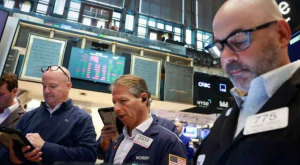
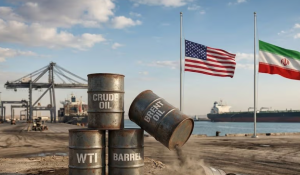
The development triggered sharp reactions across global markets. International oil prices fell significantly amid expectations that energy supplies from the Gulf could stabilise if tensions ease. Brent crude futures dropped by more than eight percent, while stock markets across Asia, Europe and the United States posted gains on investor optimism over a possible diplomatic breakthrough.
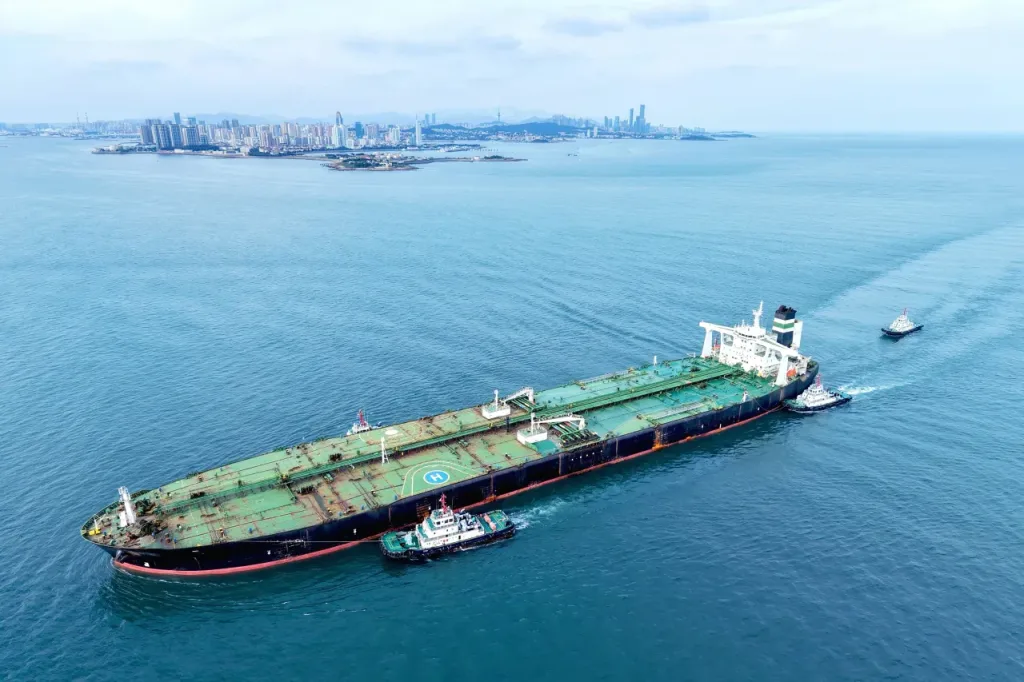
The conflict has heavily disrupted maritime trade since late February, when fighting escalated between Iran, the United States and Israel. Tehran effectively restricted commercial shipping through the Strait of Hormuz — a strategic waterway through which nearly a fifth of the world’s oil supply normally passes — while Washington later imposed a naval blockade targeting Iranian ports.
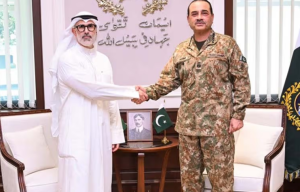
Pakistan, which hosted the only direct peace talks between the two sides last month, has continued to play a key mediating role by relaying proposals and messages between Washington and Tehran. Diplomatic observers say Islamabad’s involvement has become increasingly important as tensions threatened to destabilise the wider Middle East and global energy markets.
According to reports, the draft memorandum includes a temporary Iranian freeze on uranium enrichment activities in exchange for the gradual lifting of US sanctions and the release of billions of dollars in frozen Iranian assets. The agreement would also seek to restore freedom of navigation through the Strait of Hormuz, where attacks on vessels have intensified in recent weeks.
Neither the White House nor Iran’s foreign ministry immediately confirmed the reported details. However, Iranian officials indicated that Tehran was reviewing a US proposal containing 14 points, while maintaining that any final arrangement must be “fair and comprehensive”.
The latest diplomatic push came shortly after US President Donald Trump announced a pause in “Project Freedom”, a naval initiative launched earlier this week to escort commercial vessels through the Strait of Hormuz.
The operation had struggled to restore confidence among shipping companies and instead appeared to trigger further escalation. Iranian drones and missiles reportedly targeted several vessels in and around the strait, while regional security incidents spread to neighbouring Gulf states.
A French shipping company said one of its container vessels was struck during an incident in the waterway this week, forcing the evacuation of injured crew members. Earlier attacks also affected South Korean and Gulf-linked vessels, adding to fears of prolonged disruption to international trade.
In a message posted on social media, Trump said the naval mission had been suspended temporarily due to “great progress” in negotiations with Iran.
“We have mutually agreed that, while the blockade remains in full force and effect, Project Freedom will be paused for a short period to determine whether the agreement can be finalised and signed,” he wrote.
Diplomatic sources said the current proposal is being negotiated through a mixture of direct contacts and indirect mediation involving senior US envoys Steve Witkoff and Jared Kushner alongside Iranian officials.
The proposed framework would not immediately resolve the broader dispute over Iran’s nuclear programme, but officials familiar with the talks said it could create space for wider negotiations and reduce the risk of direct military confrontation in the Gulf.
Iranian Foreign Minister Abbas Araghchi, speaking during a visit to China, said Tehran remained committed to securing an agreement that protected Iranian interests, though he did not directly comment on Trump’s announcement.
Regional analysts say the coming days could prove decisive. If the proposed memorandum is accepted, it would mark the first formal step towards ending a conflict that has rattled financial markets, disrupted global shipping routes and heightened fears of a wider regional war involving multiple Gulf states.
About Author