Pakistan turns to AI-driven tourism to balance growth and environmental protection
By Tanveer Ahmed :
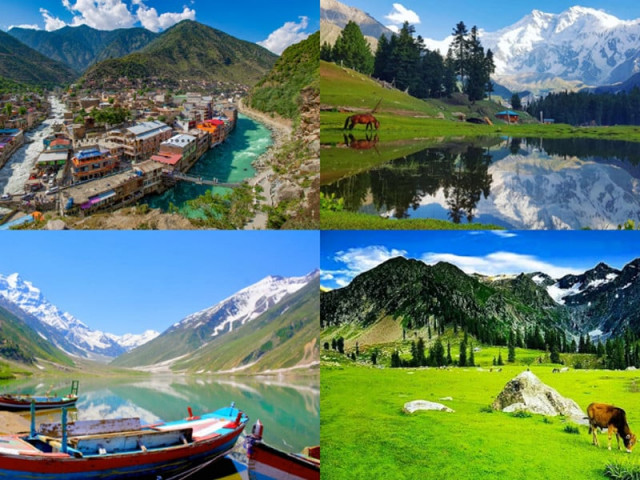
Pakistan is increasingly turning to artificial intelligence to manage tourism growth while protecting fragile ecosystems and supporting local economies, as authorities and industry stakeholders explore technology-led solutions to modern challenges in the sector.
According to recent developments highlighted by Travel And Tour World, the country is adopting so-called “smart tourism” tools, which use data analytics and machine learning to improve how destinations are managed and experienced.
Experts say AI-powered systems can help address one of Pakistan’s key tourism challenges: balancing rising visitor numbers with environmental sustainability. In northern regions such as Gilgit-Baltistan, where tourism has surged in recent years, digital tools are being seen as a way to prevent overcrowding and reduce pressure on natural resources.
One of the most immediate applications is intelligent travel planning. AI-based platforms can analyse weather patterns, road conditions and seasonal trends to guide tourists towards safer and more efficient routes. This is particularly important in mountainous areas, where landslides and sudden weather changes can disrupt travel plans. By distributing tourist flows more evenly, such systems can help reduce congestion at popular sites while encouraging exploration of lesser-known destinations.
Beyond travel planning, artificial intelligence is also being explored as a tool for environmental monitoring. Using satellite imagery and data collected through digital systems, authorities can track issues such as illegal construction, waste accumulation and changes in glacier conditions. Early detection allows quicker intervention, which is critical in ecologically sensitive regions already facing the effects of climate change.
At the same time, AI is being positioned as a way to strengthen local economies. Digital platforms powered by recommendation algorithms can connect tourists directly with small businesses, including guesthouses, guides and local artisans. This approach could help ensure that tourism revenue is distributed more evenly, particularly in remote areas where economic opportunities are limited.
The move reflects a broader global trend, as countries increasingly adopt technology to manage tourism sustainably. Analysts say Pakistan’s strategy aligns with international efforts to integrate economic growth with environmental protection, a core principle of sustainable tourism development.
However, challenges remain. Limited digital infrastructure in remote areas, gaps in technical expertise and the need for clear regulatory frameworks could slow implementation. There are also broader concerns about data governance, privacy and ensuring that technological solutions are inclusive.
Despite these hurdles, experts argue that the use of AI offers significant long-term potential. By enabling data-driven decision-making, improving operational efficiency and supporting local communities, technology could help Pakistan develop a more resilient and sustainable tourism sector.
The shift comes as the country seeks to position itself as an emerging travel destination, capitalising on its natural landscapes and cultural heritage while avoiding the environmental degradation seen in other high-traffic tourist regions.
About Author