Iran’s top diplomat in Russia as fragile peace efforts with US face renewed uncertainty
By Sabeeh Zanair :
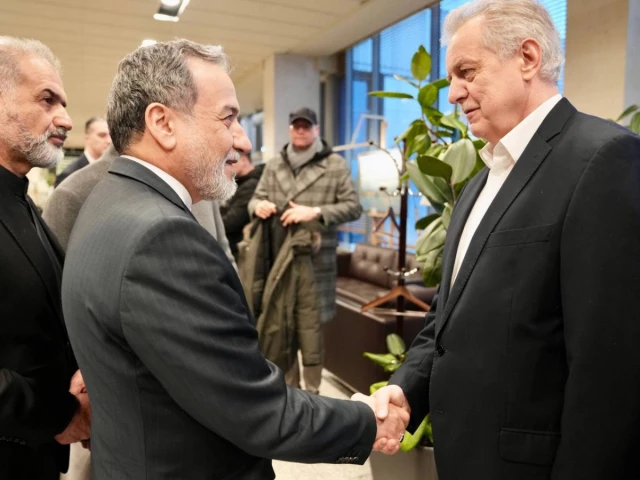
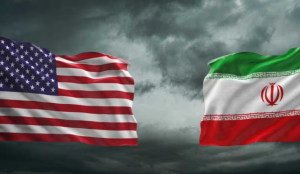
Iran’s Foreign Minister Abbas Araghchi has arrived in Saint Petersburg for high-level talks, as diplomatic efforts to ease tensions between Tehran and Washington hang in the balance following the collapse of planned negotiations in Pakistan.
According to Iran’s foreign ministry, Mr Araghchi is expected to meet Russian President Vladimir Putin and hold discussions with his counterpart Sergei Lavrov. His visit comes amid a flurry of regional diplomacy, including recent stops in Oman and Pakistan, as mediators attempt to revive dialogue between Iran and the United States.
Efforts to bring the two sides together suffered a setback after US President Donald Trump cancelled a planned visit to Islamabad by envoys Steve Witkoff and Jared Kushner. The talks had been seen as a potential step towards de-escalation, but were called off amid uncertainty over Iran’s willingness to engage directly.
Despite the breakdown, signs of backchannel communication persist. Iranian media reports suggest that Tehran has sent written messages to Washington via Pakistan, outlining its red lines, including its nuclear programme and control over the strategically vital Strait of Hormuz. While not part of formal negotiations, the messages indicate that indirect engagement remains active.
US media reports have also suggested that Iran may have proposed reopening the Strait of Hormuz and prioritising an end to hostilities, while deferring more contentious nuclear discussions to a later stage. Iranian state outlets have cited these reports without issuing a clear denial.
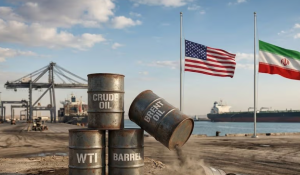
A ceasefire between Iran and US-backed forces has so far held, but the economic consequences of the conflict continue to ripple globally. Iran’s restrictions on shipping through the strait have disrupted the flow of oil, gas and fertilisers, pushing up prices and raising concerns about inflation and food security, particularly in developing economies. At the same time, Washington has imposed its own measures targeting Iranian maritime activity.
Speaking to US media, Mr Trump said any future talks would depend on Iran taking the initiative, adding that Tehran could “call us” if it wished to resume negotiations. The US president is also facing growing domestic pressure as rising fuel prices, driven in part by the disruption in the Gulf, weigh on voters ahead of upcoming elections.
Meanwhile, Iran has indicated that it is willing to discuss safe transit through the Strait of Hormuz, with Mr Araghchi saying recent talks in Oman focused on ensuring stability for regional neighbours and global markets. However, the country’s powerful Islamic Revolutionary Guard Corps has signalled no immediate intention to lift restrictions, describing control of the waterway as a key strategic tool.
Tensions across the region remain high, with the conflict spilling into neighbouring countries. In Lebanon, Israel and the Iran-backed Hezbollah group have exchanged accusations of violating a fragile ceasefire. Israeli Prime Minister Benjamin Netanyahu said military operations against the group would continue, citing security concerns.
Lebanese authorities reported casualties following Israeli strikes in the south of the country, including women and children, as fears grow that the conflict could widen further. Israel has maintained that it reserves the right to act against what it describes as imminent threats.
As diplomatic efforts continue, the involvement of Russia adds another layer to an already complex situation. Analysts say Moscow’s role could prove significant in shaping the next phase of negotiations, but warn that deep mistrust between Washington and Tehran remains a major obstacle to any lasting agreement.
About Author