Pakistan Steps Up Diplomacy to Sustain US–Iran Ceasefire Ahead of Islamabad Talks
By Tahir Shah :
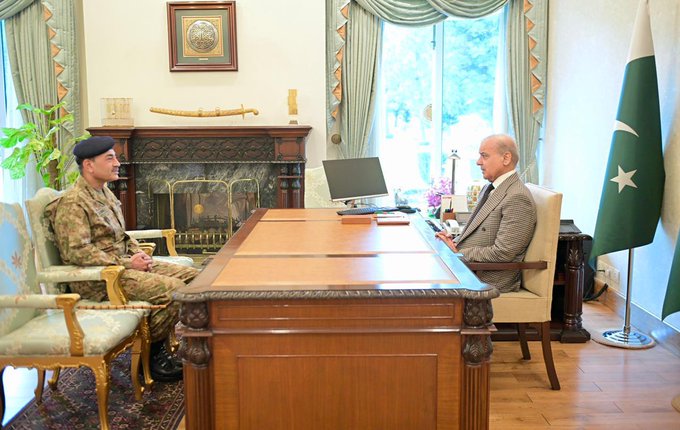
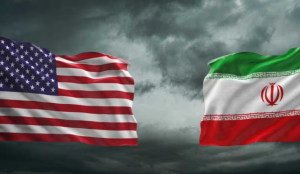
Pakistan has reaffirmed its commitment to supporting the United States and Iran in reaching a peaceful settlement as Israeli strikes in Lebanon threaten to undermine a fragile ceasefire between Washington and Tehran.
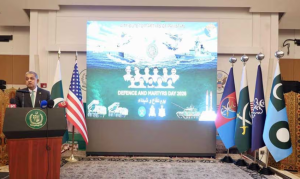
The pledge came during a meeting on Thursday between Prime Minister Shehbaz Sharif and Chief of Army Staff and Chief of Defence Forces Field Marshal Asim Munir, where both leaders reviewed Pakistan’s mediation efforts and finalised arrangements for the upcoming talks in Islamabad.
According to an official statement, the two leaders expressed satisfaction over the de-escalation achieved so far and stressed the importance of maintaining the ceasefire.
“They appreciated the restraint demonstrated by all sides and reiterated Pakistan’s commitment to facilitate and provide full support to both parties in reaching a peaceful negotiated settlement,” the statement said.
Iranian Deputy Foreign Minister Saeed Khatibzadeh revealed in a television interview that Tehran’s forces had been preparing to respond to a ceasefire violation the previous night when Pakistan intervened and conveyed assurances that the United States would restrain Israel.
Prime Minister Shehbaz has also launched an intensive diplomatic outreach, holding telephone conversations with several world leaders to stress the importance of preserving the truce and preventing further escalation.
In separate calls with Qatar’s Emir Sheikh Tamim bin Hamad Al Thani, French President Emmanuel Macron, Bahrain’s King Hamad bin Isa Al Khalifa, Austrian Chancellor Christian Stocker, German Chancellor Friedrich Merz and Italian Prime Minister Giorgia Meloni, the premier emphasised the need to uphold the ceasefire to allow negotiations to proceed.
The foreign leaders reportedly expressed concern over ongoing hostilities in Lebanon and agreed that maintaining the truce would be crucial for the success of the Islamabad talks.
Meanwhile, Deputy Prime Minister and Foreign Minister Ishaq Dar also engaged in diplomatic contacts with several counterparts, including British Foreign Secretary Yvette Cooper, European Union foreign policy chief Kaja Kallas, Uzbekistan’s Foreign Minister Bakhtiyor Saidov, South Africa’s Ronald Lamola, Azerbaijan’s Jeyhun Bayramov, Saudi Arabia’s Faisal bin Farhan and Turkey’s Hakan Fidan, seeking broader international backing for the negotiations.
Iran has warned that continued Israeli attacks on Lebanon could jeopardise the peace process. Iranian President Masoud Pezeshkian said the strikes represented a “flagrant violation” of the ceasefire and could render negotiations meaningless if they continued.
Pakistan is set to host the first direct high-level negotiations between the United States and Iran beginning April 11, following a two-week ceasefire brokered earlier this week after nearly six weeks of conflict.
Preparations in Islamabad have been extensive. Authorities have declared April 9 and 10 public holidays, restricted access to parts of the capital and implemented strict security arrangements. A major hotel has been reserved for the visiting delegations while logistics and security measures have been fast-tracked.
The Iranian delegation, initially expected late Thursday, is now scheduled to arrive on Friday. The first US delegation, including senior envoy Steve Witkoff and other officials, is also due the same day, while Vice President JD Vance is expected to reach Islamabad early on Saturday. A large American security advance team has already arrived in the capital.
The negotiations are expected to revolve around a 10-point proposal presented by Iran and accepted “in principle” by Washington as a framework for talks. The plan reportedly includes demands for an end to hostilities, sanctions relief, recognition of Iran’s right to uranium enrichment, withdrawal of US forces from the region and compensation for war-related damages.
Despite the diplomatic momentum, officials and analysts caution that the talks face major challenges. Washington is expected to push for strict and verifiable limits on Iran’s nuclear programme, while Tehran insists on full sanctions relief and recognition of its nuclear rights.
The status of the Strait of Hormuz — a vital route for global energy supplies — remains another major point of contention, as Iran retains the capacity to regulate maritime traffic through the waterway.
However, the most immediate risk to the negotiations remains the ongoing conflict in Lebanon. Without clarity on whether the ceasefire extends to Israeli military operations there, developments on the ground could quickly derail the diplomatic effort.
Analysts say the talks in Islamabad may initially produce only a limited agreement, possibly involving phased sanctions relief and partial nuclear concessions, while a broader regional settlement is likely to require prolonged negotiations.
Iran has also indicated it may seek formalisation of any end to the conflict through a United Nations Security Council resolution, according to reports citing Iranian sources.
About Author