PM Shehbaz Calls for Two-Week Diplomatic Window as US-Iran Tensions Escalate
By Tahir Shah :
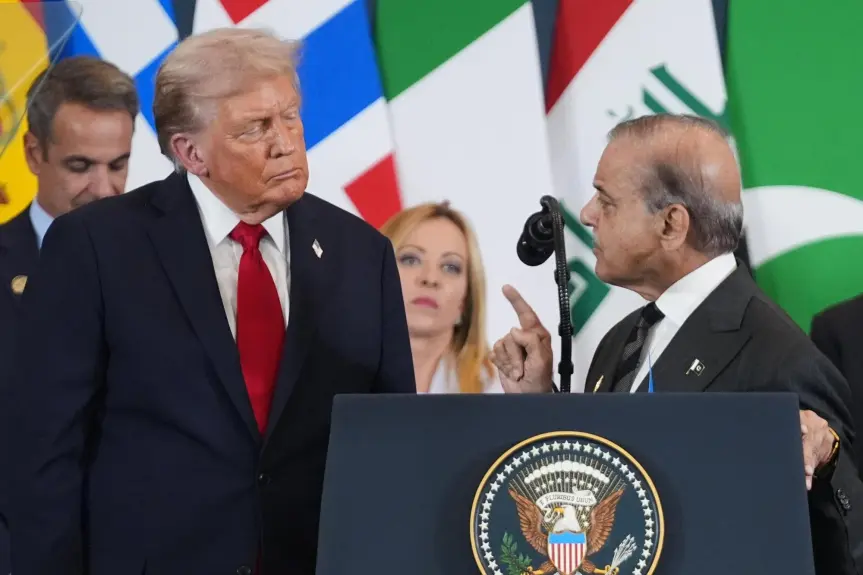
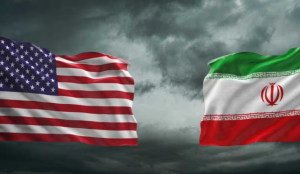
Prime Minister Shehbaz Sharif has urged the United States to extend its deadline for Iran to reach a deal, calling for a two-week pause to allow diplomatic efforts aimed at ending the conflict in the Middle East to continue.
In a message posted on X late Tuesday, the Pakistani premier said negotiations for a peaceful resolution were making steady progress and could soon produce meaningful results. He appealed to US President Donald Trump to grant additional time for diplomacy while also requesting Iran to reopen the Strait of Hormuz for the same two-week period as a gesture of goodwill.
Mr Sharif also called on all parties involved in the conflict to observe a temporary ceasefire, saying the pause could help create conditions for negotiations to bring the war to a lasting conclusion and promote long-term stability in the region.
The White House said President Trump had been informed about the proposal. Press Secretary Karoline Leavitt told Axios that the president was aware of the suggestion and that a response would be issued later.
An Iranian official also signalled a positive reaction to the idea, telling Reuters that Tehran was reviewing the Pakistani proposal.
The diplomatic appeal came amid reports that negotiations between Washington and Tehran had stalled following strong rhetoric from the US president. According to media reports citing Iranian officials, Tehran had suspended ceasefire discussions with Washington after threats from Mr Trump to destroy Iran’s “whole civilisation”.
The White House maintained that the final decision on the situation rested with the president. Ms Leavitt said only Mr Trump knew how events might unfold, after he warned that severe consequences could follow if Iran failed to reach an agreement before a set deadline.
The growing tension has been accompanied by military developments across the region. Iranian media reported explosions on Kharg Island in the Gulf after what it described as US and Israeli air strikes, although there were no immediate details about casualties or damage.
Iran’s semi-official Fars news agency also said Iranian forces had targeted a petrochemical complex in Saudi Arabia’s eastern city of Jubail. Saudi authorities and state energy companies did not immediately comment on the report.
Elsewhere, the Israeli military warned vessels operating off the southern coast of Lebanon to move north of the city of Tyre, saying operations in the area could place ships at risk due to Hezbollah activity.
The United Nations has meanwhile expressed concern over the intensifying rhetoric and violence. UN High Commissioner for Human Rights Volker Türk warned that deliberate attacks on civilians and civilian infrastructure constitute war crimes under international law and called on all sides to reduce tensions and protect civilian lives.
According to international media reports, thousands of people have been killed or injured since the conflict escalated earlier this year, while disruptions to shipping through the Strait of Hormuz have raised fears of a global energy crisis.
The head of the International Energy Agency, Fatih Birol, said the current disruption to oil and gas supplies was more severe than previous crises in 1973, 1979 and 2022 combined, warning that developing nations could face rising fuel and food prices as a result.
Diplomatic efforts involving Pakistan and other mediators are continuing as international pressure grows to prevent further escalation in a conflict that threatens wider regional stability.
About Author