Pakistan Steps Up Diplomatic Efforts to Avert US-Iran Escalation as Trump Deadline Nears
By Sabeeh Zanair :
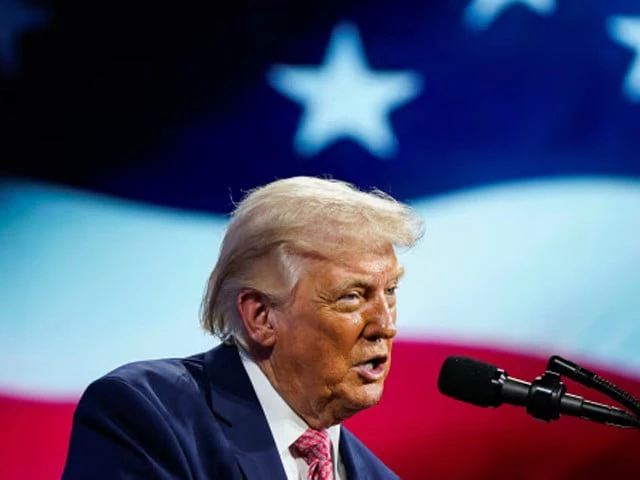
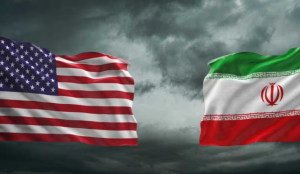
Pakistan has intensified diplomatic efforts to broker a last-minute understanding between the United States and Iran as a deadline set by US President Donald Trump approaches, though officials say the chances of a breakthrough remain uncertain.
Over the past two days, Islamabad has been engaged in an intense round of diplomatic contacts aimed at preventing further escalation in the conflict between Washington and Tehran. While no agreement has been announced, officials say the effort has at least enabled both sides to exchange proposals through Pakistani intermediaries.
Sources familiar with the back-channel contacts say the latest exchanges reveal deep differences between the two countries, suggesting that a quick resolution may be difficult to achieve.
The diplomatic push has also drawn in China and Russia, both close partners of Iran, in what observers see as an attempt to strengthen the credibility of any possible settlement and address Tehran’s long-standing mistrust of Washington.
Diplomatic sources said senior officials from the three countries have been in close contact during the past 48 hours. Reports indicate that Pakistan’s military leadership has spoken with key American figures, including US Vice President JD Vance and the US special envoy for the Middle East, as well as with Iran’s foreign minister in an effort to keep negotiations alive.
At the same time, Russia’s foreign minister Sergey Lavrov held a phone call with his Iranian counterpart, while Chinese and Russian diplomats coordinated their positions amid rapidly evolving developments.
Islamabad has not released detailed information about the discussions. The Foreign Office has confirmed that diplomatic efforts are underway but has declined to comment on specific proposals circulating in international media.
Foreign Office spokesperson Tahir Andrabi said reports about a possible 45-day ceasefire or a 15-point framework were speculative. He told reporters that Pakistan would not comment on individual proposals or unconfirmed details.
Several media reports have suggested that a potential framework aimed at halting the fighting was shared overnight with both Washington and Tehran through Pakistani channels. Another report indicated that officials were considering a phased plan beginning with a 45-day ceasefire that could eventually lead to a permanent end to hostilities.
Officials involved in the discussions cautioned that these ideas remain at an early stage and have yet to receive formal approval from either side.
Iran has signalled that it is open to dialogue but remains firm on its conditions. Foreign ministry spokesperson Esmaeil Baghaei said negotiations could not take place under threats or ultimatums, adding that earlier proposals — including a reported 15-point plan — had been rejected because they were seen as excessive.
Iranian media say Tehran has submitted its own response outlining several demands. These include a complete halt to regional hostilities, guarantees for safe navigation through the Strait of Hormuz, assistance for post-war reconstruction and the lifting of international sanctions.
Iranian officials have also insisted that any agreement must result in a permanent end to the conflict rather than a temporary truce, reflecting concerns that short-term arrangements would not resolve underlying tensions.
The diplomatic activity comes as fighting continues to raise concerns about potential disruption to shipping through the Strait of Hormuz, a crucial route for global oil supplies. The conflict has already caused volatility in international energy markets as traders monitor developments affecting the flow of crude oil through the narrow waterway.
Pakistan has positioned itself as a key intermediary in the crisis, relying on its longstanding relationship with the United States and its working ties with Iran to keep communication channels open.
Iranian Foreign Minister Abbas Araghchi recently indicated that Tehran had not rejected the possibility of talks in Islamabad, signalling openness to Pakistan hosting negotiations if conditions allow.
Despite the diplomatic momentum, analysts say the prospects of a rapid agreement remain unclear. With the US deadline approaching and both sides maintaining firm positions, the coming hours are likely to determine whether the latest diplomatic push can prevent a further escalation of the conflict.
About Author