Pakistan to Hike Fuel Prices Within Days as Federal and Provincial Governments Reach Subsidy Agreement
By Shahzad Paracha :
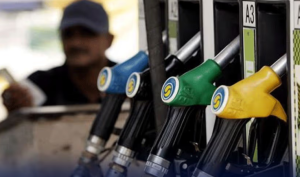
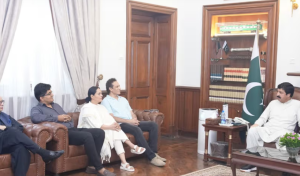
The federal government and all four provincial administrations have reached a consensus to implement another significant increase in petroleum prices within the coming week. The decision, aimed at transferring the mounting landed cost of imports to consumers, follows a high-level consultative session chaired by Finance Minister Muhammad Aurangzeb on Tuesday, March 31, 2026.
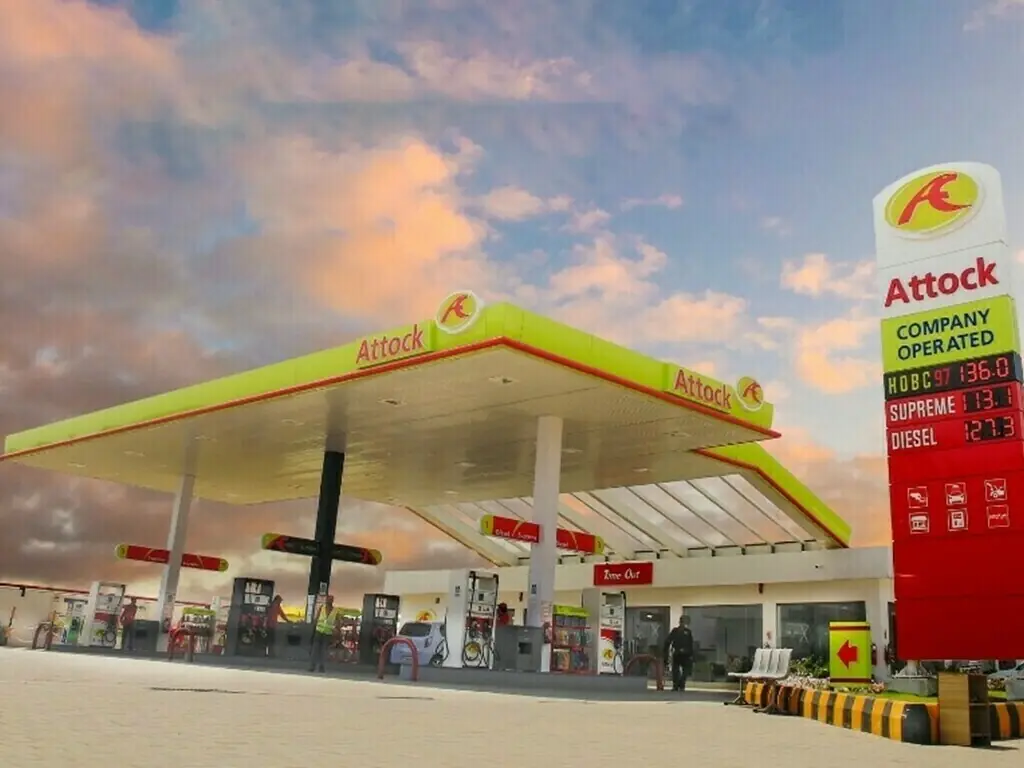
The proposed hike comes as the gap between domestic retail rates and international import costs has reached critical levels, with current estimates placing the price disparity at approximately Rs100 per litre for petrol and over Rs200 per litre for diesel. Officials indicated that the Oil and Gas Regulatory Authority (Ogra) and the Petroleum Division will finalize the exact quantum of the increase by Friday based on the latest global market volatility. The federal government has already exhausted roughly Rs129 billion in fuel subsidies over the past three weeks and has capped its total contribution at Rs158 billion for the remainder of the fiscal year, a constraint that necessitated the involvement of provincial governments to share the remaining financial burden.
In a shift away from generalized subsidies, the new framework will prioritize vulnerable segments through a national uniformity rationing system. Under this agreement, all provinces have committed to directly subsidizing fuel for motorcyclists and three-wheelers, with Prime Minister Shehbaz Sharif expected to announce specific quantity limits shortly to ensure a standardized relief package across the country. In the agricultural sector, Sindh will utilize its Hari Card database to provide targeted diesel subsidies to farmers, while Punjab and Khyber Pakhtunkhwa have committed to implementing similar localized mechanisms to protect the wheat harvest from rising input costs. Furthermore, provincial authorities have agreed to maintain current fares for Bus Rapid Transit (BRT) systems to shield urban commuters from the immediate impact of the price hike.
Following mediation by President Asif Ali Zardari and Prime Minister Shehbaz Sharif, the provinces have agreed to participate in the effort by sharing the subsidy load. Punjab and Sindh will contribute to the subsidy pool based on their respective population shares under the National Finance Commission (NFC) formula, while Balochistan and Khyber Pakhtunkhwa will contribute based on their actual fuel consumption levels. Finance Minister Aurangzeb emphasized that this collaborative approach is essential for fiscal sustainability, noting that a working framework for the targeted subsidy mechanism will be shared with stakeholders for final input.
Despite the targeted relief, the government faces a significant challenge regarding goods transportation, as economists warn that passing on the diesel price gap will have a direct inflationary impact on perishable goods and essential food items. The shared provincial subsidy is estimated to require between Rs15 billion and Rs18 billion weekly, a figure that could climb to Rs30 billion depending on international price movements before the close of the fiscal year on June 30. As global oil benchmarks remain tight due to the ongoing Middle East conflict, the federal provincial alliance aims to maintain this new normal pricing structure while preventing a complete collapse of household finances for the country’s lowest income groups.
About Author