
Pakistan’s Tech Firms Seek Global Reach as Industry Pushes for International Connections
By Tanveer Ahmed :
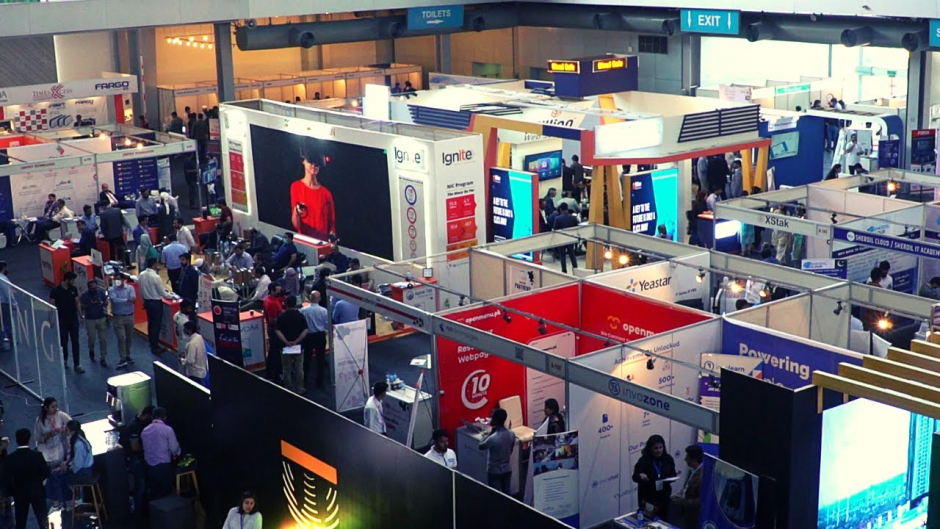
Pakistan’s technology sector has expanded steadily in recent years, driven by a growing pool of software developers and rising IT export revenues. Despite this progress, many companies still struggle to translate domestic growth into a strong presence in international markets.
Industry experts say that while Pakistan has significant technical talent, limited global networks and market exposure often prevent firms from fully capitalising on international opportunities.
Barriers to Global Expansion
Smaller technology firms and early-stage startups are particularly affected. Many lack the connections needed to reach foreign clients, investors and strategic partners, making it harder to secure deals or establish long-term collaborations.
Digital platforms have helped Pakistani freelancers and service providers connect with global customers. However, industry observers note that online access alone is rarely enough to build trust and lasting business relationships.
Face-to-face engagement remains important, allowing companies to demonstrate their products, respond to questions and develop stronger partnerships with potential clients.
Role of Industry Events
International technology conferences and trade exhibitions often serve as key meeting points for companies, investors and buyers. These events provide opportunities to showcase products, understand market demand and learn how competitors approach similar challenges.
Trade promotion groups also play a role in facilitating such connections. Eventage, a Pakistan-based company, focuses on supporting local firms participating in global exhibitions and trade events. Its work includes helping businesses prepare for events and introducing them to potential partners.
The company is expected to participate in TechEx North America in May, an industry gathering that brings together companies and experts working in areas such as artificial intelligence, enterprise systems and digital transformation.
Industry observers say such initiatives reflect a broader effort to integrate Pakistan’s technology sector with international business networks.
Impact on Local Companies
For many firms, exposure to global markets can influence both product development and business strategy. Participating in international events allows companies to test how their products are received and gain insight into how competitors position their solutions.
Over time, these experiences can help firms refine their offerings and adapt them for broader markets.
The impact can also extend beyond individual companies. Entrepreneurs who gain experience working with overseas clients often bring new insights back to the local ecosystem, shaping how startups approach pricing, product design and customer needs.
Shifting Towards Scalable Products
Pakistan’s technology sector still relies heavily on IT services, outsourcing and freelance work as major sources of revenue. However, there is a gradual shift toward building scalable digital products that can compete internationally.
Understanding the needs of users in foreign markets is critical to that transition, and industry experts say direct exposure through international engagement can help bridge this gap.
Networking opportunities at conferences—ranging from formal presentations to informal conversations—often lead to partnerships or ideas that would be difficult to develop through online interactions alone.
Linking Local Talent to Global Markets
Despite these opportunities, the sector continues to face structural challenges, including limited access to funding, infrastructure gaps and evolving policy frameworks.
Nevertheless, stronger international connections could provide local companies with more flexibility to grow beyond domestic demand.
Analysts say Pakistan’s technology sector has already built a strong foundation through its talent base and technical expertise. The next stage of growth may depend on how effectively firms expand their global visibility, build international partnerships and compete in a rapidly evolving digital economy.
About Author