Shehbaz praises Trump’s peace push as Pakistan intensifies Iran-US mediation efforts
By Tahir Shah :
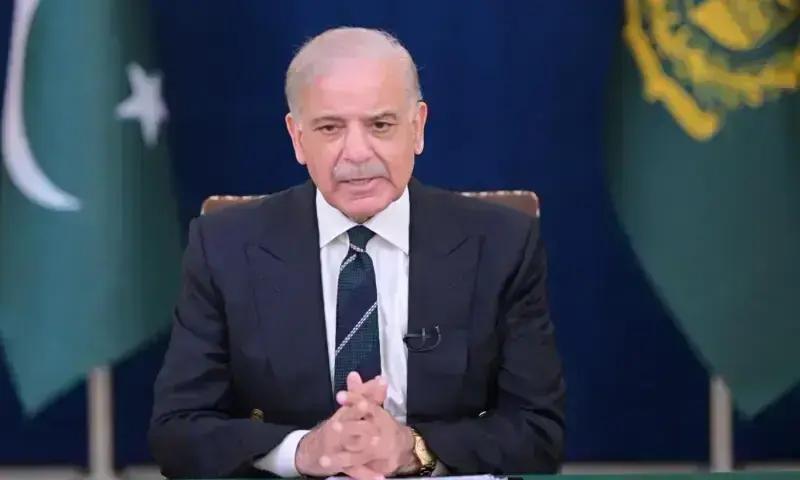
Prime Minister Shehbaz Sharif on Sunday praised United States President Donald Trump for what he described as “extraordinary efforts to pursue peace”, following a high-level diplomatic call involving several regional leaders and Pakistan’s Chief of Defence Forces and army chief Asim Munir.
The phone call, held on Saturday, included leaders from Saudi Arabia, Qatar, Turkiye, Egypt, the United Arab Emirates, Jordan and Pakistan as part of ongoing international efforts aimed at easing tensions and advancing negotiations involving Iran and the United States.
According to reports, regional leaders encouraged Trump to support an emerging diplomatic framework intended to move the stalled negotiations forward and reduce the risk of renewed conflict in the Middle East.
In a post on Truth Social, Trump said he had held productive discussions with Saudi Crown Prince Mohammed bin Salman as well as the presidents and senior leadership of several Middle Eastern countries. He also said a separate call with Israeli Prime Minister Benjamin Netanyahu had gone “very well”.
Responding on X, PM Shehbaz said Field Marshal Munir represented Pakistan during the discussions and commended his role throughout the mediation process. The prime minister said the talks provided an opportunity to exchange views on regional stability and efforts aimed at achieving lasting peace.
“Pakistan will continue its peace efforts with utmost sincerity and we hope to host the next round of talks very soon,” the premier said.

Deputy Prime Minister and Foreign Minister Ishaq Dar also welcomed the diplomatic engagement, describing it as a meaningful step towards regional stability. In a statement, Dar praised Trump’s commitment to dialogue and acknowledged the role played by senior US officials including Vice President JD Vance, Secretary of State Marco Rubio, envoy Steve Witkoff and adviser Jared Kushner.
Dar also appreciated the participation of Iranian leaders, including President Masoud Pezeshkian, Foreign Minister Abbas Araghchi and Parliament Speaker Mohammad Bagher Ghalibaf.
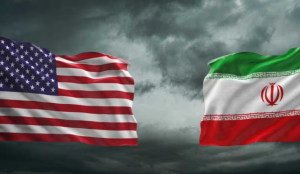
Pakistan has increasingly positioned itself as a key intermediary in efforts to revive the stalled Iran-US peace process. The first direct talks between Washington and Tehran were held in Islamabad in April following a Pakistan-brokered ceasefire, although negotiations later slowed amid disagreements over sanctions relief, security guarantees and the future of the Strait of Hormuz.
Diplomatic activity has intensified in recent days as Pakistan attempts to keep both sides engaged. Field Marshal Munir recently concluded a high-level visit to Iran, where he held meetings with senior Iranian officials aimed at advancing negotiations. According to the military’s media wing, the talks produced “encouraging progress” towards a possible understanding.
US Secretary of State Rubio later acknowledged Pakistan’s role in the mediation effort, saying Washington remained in constant communication with Pakistan’s military leadership and praising Islamabad’s attempts to facilitate a peaceful settlement.
Interior Minister Mohsin Naqvi also travelled to Tehran twice within a week as part of the diplomatic push, meeting Iran’s political leadership amid efforts to revive formal negotiations.

The latest negotiations are taking place under growing international pressure as concerns persist over regional security, energy supplies and the future of the Strait of Hormuz, one of the world’s most important oil shipping routes. Trump recently said a draft framework for a possible peace arrangement had been “largely negotiated” and indicated further details could emerge soon.
Officials familiar with the discussions say the talks have now moved into detailed negotiations involving sanctions relief, maritime security, Iran’s nuclear programme and guarantees against renewed military escalation.
About Author