Field Marshal Asim Munir Arrives in Tehran as Pakistan Intensifies Mediation Efforts in Iran Conflict
By Tahir Shah :

4
Pakistan’s Chief of Defence Forces and Chief of Army Staff Asim Munir arrived in Tehran on Friday as Islamabad stepped up diplomatic efforts aimed at easing tensions in the Middle East and facilitating negotiations between Iran and the United States.
According to a statement issued by the Inter-Services Public Relations, Field Marshal Munir was received upon arrival by Iranian Interior Minister Eskandar Momeni. Pakistan’s Interior Minister Mohsin Naqvi was also present during the reception.
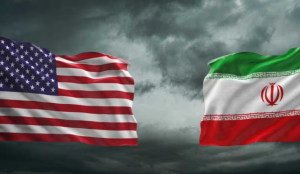
Security officials said the visit forms part of Pakistan’s ongoing mediation initiative following months of escalating conflict between Iran, the United States and Israel. Discussions during the visit are expected to focus on regional peace, ceasefire arrangements, US-Iran negotiations and broader security concerns affecting the Middle East.
Officials familiar with the diplomatic engagements said the Pakistani military chief is also expected to meet senior Iranian political and military leadership during his stay in Tehran. The meetings are likely to cover efforts to sustain the fragile ceasefire currently in place and create momentum for a long-term political settlement.
The latest visit comes amid renewed diplomatic activity involving regional and international actors seeking to prevent another escalation in the conflict that has destabilised energy markets and heightened security concerns across the Gulf region.
At the same time, a Qatari negotiation team arrived in Tehran in coordination with the United States to support efforts aimed at securing a final agreement to end hostilities and resolve remaining disputes, according to a source familiar with the talks.

4
The source said the delegation from Qatar travelled to Tehran to assist negotiations intended to produce a comprehensive peace arrangement. Qatar has previously played a significant mediation role in regional conflicts, including negotiations linked to Gaza and broader US-Iran communication channels.
Doha had initially remained cautious about direct involvement in the latest Iran conflict after Iranian missile and drone attacks targeted locations connected to Gulf states during the war. However, analysts say Qatar’s re-engagement highlights its importance as a trusted intermediary between Tehran and Washington.
Pakistan has emerged as a central diplomatic channel since the outbreak of fighting earlier this year. Islamabad has repeatedly called for de-escalation, dialogue and negotiated settlements to prevent further instability in the region.
Last month, Field Marshal Munir concluded another high-level visit to Iran where he held meetings with Iranian President Masoud Pezeshkian, Parliament Speaker Mohammad Bagher Ghalibaf, Foreign Minister Abbas Araghchi and senior military officials.
According to the ISPR, those discussions focused on the evolving regional security environment and explored diplomatic mechanisms for achieving lasting stability in the Middle East.
The Pakistani military chief stressed the importance of dialogue and peaceful engagement, emphasising that sustainable peace could only be achieved through negotiations rather than prolonged military confrontation.
Iranian Foreign Minister Abbas Araghchi later publicly welcomed Pakistan’s mediation efforts and thanked Islamabad for hosting diplomatic talks related to the conflict. He described Pakistan’s role as reflective of the “deep and great bilateral relationship” between the two neighbouring countries.

The diplomatic initiative gained further international attention after US President Donald Trump announced that Washington had agreed to extend its ceasefire with Iran following requests made by Field Marshal Munir and Prime Minister Shehbaz Sharif.
In a statement posted on Truth Social, Trump said the ceasefire extension would remain in place while Iranian leaders prepared a unified proposal aimed at ending the conflict and addressing outstanding disputes.
He added that the US military would remain on alert and continue maintaining its regional blockade while diplomatic discussions continued.

Prime Minister Shehbaz Sharif later thanked Trump publicly and said Pakistan would continue working towards a negotiated resolution of the crisis. He expressed hope that both sides would respect the ceasefire and achieve a comprehensive peace agreement during the next round of talks expected to be held in Islamabad.
The conflict between Iran, the United States and Israel has caused widespread instability across the region since fighting erupted earlier this year. The war disrupted global oil supplies, triggered volatility in international energy markets and raised fears of a broader regional confrontation involving Gulf states and allied armed groups.
Diplomatic observers say Pakistan’s growing role in mediation reflects its strategic ties with both Tehran and Washington, as well as Islamabad’s broader interest in preventing further conflict near its borders and protecting regional economic stability.
About Author