Unannounced Power Cuts Deepen as Demand Outstrips Supply
By Shahzad Paracha
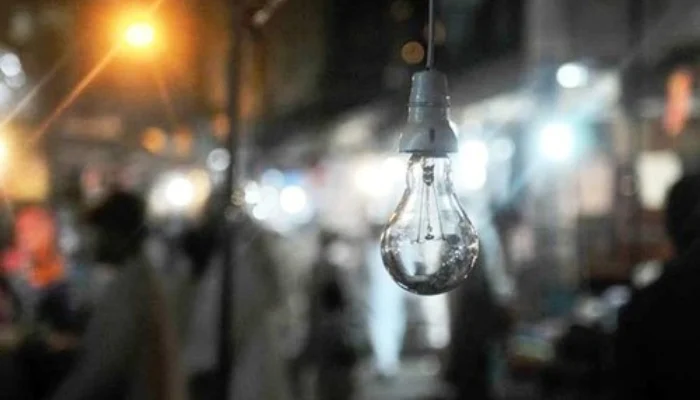
A widening gap between electricity demand and available generation has triggered a wave of unplanned power outages, leaving households across the country facing growing disruption.
Authorities had earlier outlined a modest load-shedding plan to manage fuel shortages, proposing limited daily outages during peak evening hours. However, many consumers say the situation on the ground is far worse, with power cuts lasting significantly longer than officially indicated.
Residents in urban areas report being without electricity for several hours at a stretch, while those in rural regions say outages extend even further, severely affecting daily life. The inconsistency and lack of prior notice have added to public frustration, particularly during the evening when demand is highest.
In densely populated city neighbourhoods, some households have experienced repeated interruptions within short intervals, with supply returning only briefly before being cut again. Others describe erratic fluctuations after nightfall, making it difficult to carry out routine activities or rely on electrical appliances.
The frequent on-and-off supply has also raised concerns about potential damage to household electronics, as voltage instability becomes more common. Many residents say the situation has deteriorated sharply in recent days, leaving them struggling to cope without electricity for basic needs.
Officials maintain that the measures are intended to curb the use of expensive imported fuels and prevent a steep rise in electricity costs. Yet for many citizens, the impact is immediate and severe, particularly as temperatures begin to climb.
The power shortages have also disrupted water access, compounding the difficulties faced by households. As water pumping systems depend on electricity, the mismatch between supply schedules has left many unable to store water when it is available.
In several areas, residents report that water supply timings coincide with periods of load-shedding, effectively cutting off access altogether. This has turned an already challenging power situation into a broader crisis, affecting hygiene, cooking and other essential daily activities.
With demand continuing to rise, many fear the situation could worsen unless more stable arrangements are put in place.
About Author