Islamabad Emerges as Potential Venue for US-Iran Peace Deal Signing
By Sabeeh Zanair :
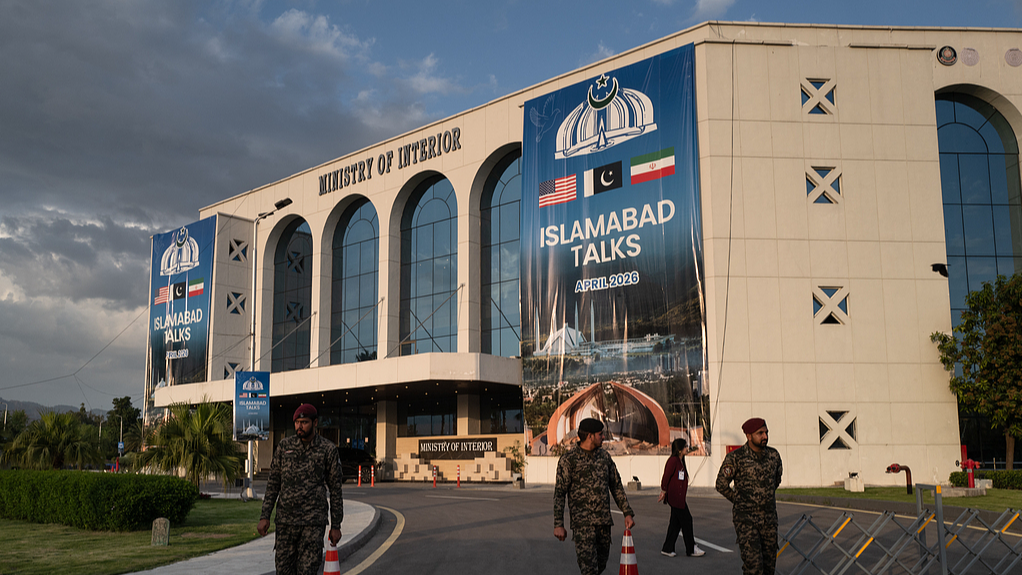
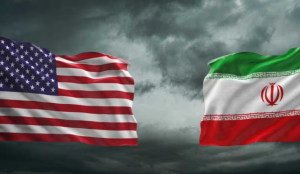
Islamabad is being considered as a leading venue for the formal signing of a potential peace agreement between the United States and Iran, diplomatic sources have said, as negotiations between the two countries continue to make progress despite delays in finalising a draft accord.
Officials familiar with the talks told Dawn that confidence remains high among diplomats that Washington and Tehran will eventually reach an agreement. One senior diplomat estimated the chances of a deal at “nine out of ten”, although no timeline has yet been established for its completion.
Diplomatic sources at the United Nations and in Washington said Pakistan’s role in facilitating initial contacts between the two sides has strengthened Islamabad’s position as a possible host for a signing ceremony. They noted that the absence of diplomatic relations between the United States and Iran makes a neutral venue necessary, with Islamabad viewed as a logical choice after hosting the first round of discussions.
The optimism comes amid reports in major international media outlets that negotiators have narrowed differences on several key issues. According to diplomats, both Washington and Tehran increasingly believe that extending the conflict would carry significant political, economic and strategic costs.
Sources involved in the process said the Trump administration concluded early in the confrontation that military action alone would be insufficient to achieve all of its objectives and that a prolonged campaign could become politically challenging. Iranian officials, while portraying their ability to withstand military pressure as a success, are also said to recognise the strain continued conflict would place on the country’s economy and infrastructure.
Diplomats said this shared understanding has helped create momentum for a negotiated settlement. Although details remain under discussion, officials indicated that a proposed framework would involve an end to the US-Israeli military campaign against Iran in exchange for Tehran reopening the Strait of Hormuz, a vital shipping route whose closure has disrupted global energy markets and trade.
The sources added that Iran would provide assurances regarding its nuclear ambitions, while more contentious issues, including the future of its nuclear programme and its stockpile of enriched uranium, would be addressed in subsequent negotiations.
These elements broadly align with recent reports by Reuters and The Washington Post, which indicated that negotiators were exploring a phased approach that would prioritise reopening the Strait of Hormuz while leaving some nuclear matters for later talks.
Former Pakistani ambassador to the United Nations Munir Akram said many of the publicly stated positions of both sides appear closer than often portrayed. He argued that remaining disagreements are largely related to political presentation rather than substance and predicted that negotiators would eventually bridge the gaps needed to reach an agreement.
Despite the positive outlook, diplomats cautioned that significant challenges remain. Israeli military operations in southern Lebanon continue to be a major concern for Tehran, which is reportedly seeking a halt to those actions as part of a broader regional arrangement.
Diplomatic sources also highlighted Washington’s concerns about the security of its Gulf allies. While the conflict has exposed vulnerabilities within Iran, its ability to endure sustained military pressure has also increased anxiety among regional states. Some Gulf countries are reportedly exploring closer relations with Tehran as a hedge against future instability, prompting the United States to reaffirm its long-term security commitments in the region.
According to diplomats monitoring the talks, disagreements over implementation, security guarantees and political messaging persist, but confidence is growing that both sides now view a negotiated settlement as preferable to an extended conflict.
Should a final agreement be reached, Islamabad is widely regarded by diplomats as one of the most likely locations for a formal signing ceremony, reflecting Pakistan’s role in facilitating dialogue between the two long-time adversaries.
About Author