
Pakistan Approves Biotechnology Policy to Revive Cotton Sector and Modernise Farming
By Tanveer Ahmed :
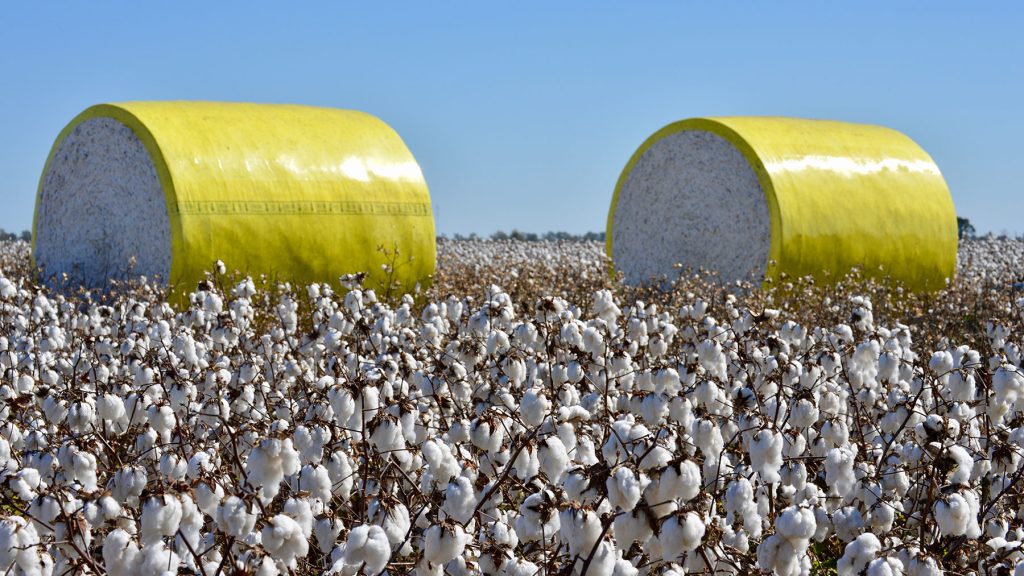
Pakistan has approved a new national agricultural biotechnology policy aimed at reviving crop production, promoting genetically modified farming technologies and addressing the country’s deepening agricultural challenges following a historic collapse in cotton output.
The three-year National Agricultural Biotechnology Policy 2025 was drafted by the Ministry of National Food Security and Research and formally approved by the federal cabinet after months of consultations with scientists, regulators, provincial authorities and private-sector stakeholders.
The policy comes at a time when Pakistan’s cotton sector is facing one of the most severe crises in its history. In recent years, annual cotton production fell to nearly five million bales — the lowest level recorded in around four decades — far below the country’s historical average of 12 to 15 million bales.
The sharp decline has placed increasing pressure on Pakistan’s textile industry, one of the country’s largest export sectors, which requires an estimated 16 million bales annually to sustain production.
Officials say the new policy seeks to modernise agriculture through biotechnology and genetically modified crop development while aligning Pakistan’s farming sector with evolving global standards.
According to government officials, the policy aims to improve crop yields, strengthen food security, enhance resistance against pests and climate pressures and encourage innovation in seed technology and agricultural research.
Cabinet members were informed during discussions that many countries had already adopted biotechnology frameworks to support agricultural productivity and competitiveness, making it necessary for Pakistan to establish its own comprehensive policy direction.
The government said the framework would allow Pakistan to benefit from advances in genetic engineering while also creating safeguards against potential environmental and regulatory risks linked to genetically modified organisms.
The ministry told the cabinet that agricultural biotechnology is rapidly transforming farming practices globally, with genetically modified crops now cultivated across millions of hectares worldwide.
Officials argued that Pakistan possesses significant potential in the sector due to its scientific expertise, biotechnology research institutions and existing regulatory infrastructure.
Several earlier policy frameworks had already highlighted biotechnology as an important area for agricultural development, including the Science and Technology Policies of 2011 and 2024, the National Food Security Policy 2018, the National Seed Policy 2025 and Pakistan Vision 2030.
However, the ministry acknowledged that despite these institutional strengths, Pakistan had failed to fully benefit from agricultural biotechnology due to the absence of a unified national strategy.
The move to prepare the biotechnology policy gained momentum after directives issued by the Special Investment Facilitation Council during its Executive Committee meeting in October 2023.
Following those instructions, the ministry established a committee headed by the Pakistan Agricultural Research Council in November 2023 to prepare the initial draft.
A second expert committee led by the National Seed Development and Regulatory Authority was later formed in April 2025 to refine the framework with technical input from specialists and regulators.
Officials said a series of consultations were subsequently held throughout 2025 involving provincial governments, agricultural experts and private-sector representatives before the final policy was submitted to the federal cabinet for approval.
The policy also reflects growing concern within government circles over Pakistan’s declining agricultural productivity, rising import dependence and worsening climate pressures affecting crop yields.
Cotton production in particular has suffered from a combination of factors including climate change, poor-quality seed varieties, pest attacks, water shortages and inconsistent agricultural planning.
Economists warn that the continued deterioration of the cotton sector poses serious risks for Pakistan’s export earnings, employment and industrial output because the textile industry remains heavily dependent on domestic raw cotton supplies.
The textile sector contributes significantly to Pakistan’s exports and provides employment to millions of workers directly and indirectly across the country.
Government officials hope biotechnology-driven farming reforms will help improve productivity and reduce pressure on imports while strengthening food security and industrial supply chains.
The new policy is also expected to encourage greater private-sector participation, research collaboration and foreign investment in seed technology, crop sciences and agricultural innovation.
Agriculture experts, however, caution that the success of the policy will depend heavily on implementation, farmer awareness, regulatory transparency and access to modern seed technologies at affordable costs.
Some environmental groups and civil society organisations have also previously raised concerns over the regulation of genetically modified crops, arguing that strong biosafety standards and monitoring systems will be necessary to avoid environmental and ecological risks.
Despite those concerns, officials believe the biotechnology policy represents a major shift towards science-based agricultural reforms aimed at reversing years of stagnation in Pakistan’s farming sector.
About Author