Shehbaz hopes Islamabad will host fresh US-Iran peace talks as diplomatic momentum builds
By Tahir Shah :
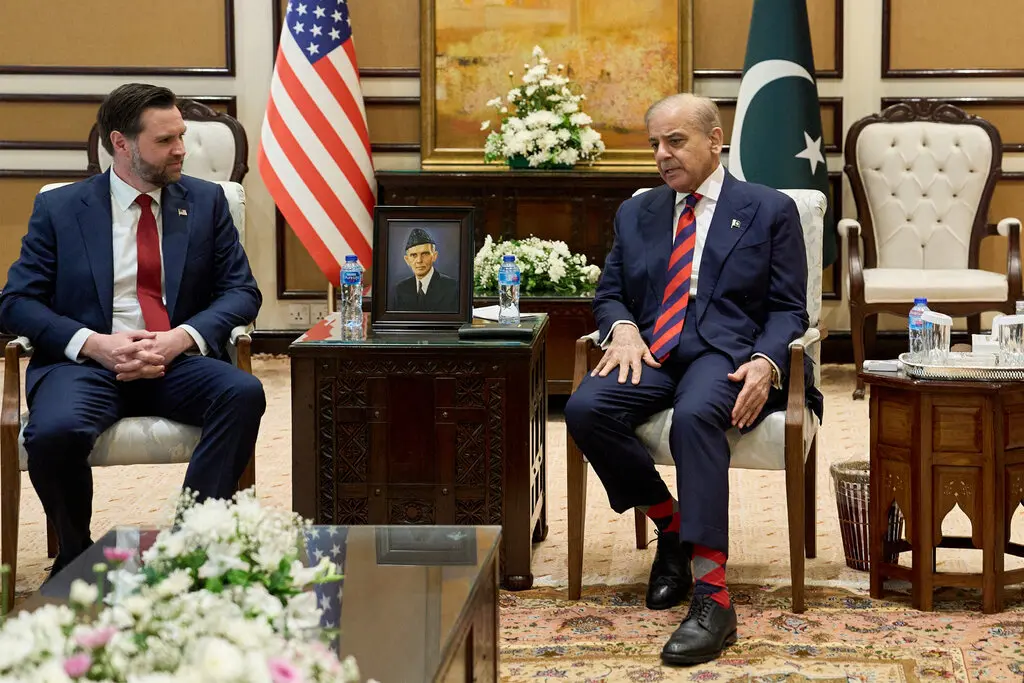
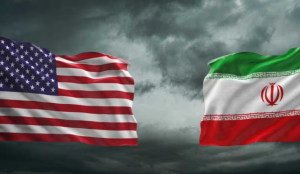
Prime Minister Shehbaz Sharif has expressed optimism that Islamabad could soon host another round of negotiations between the United States and Iran, as diplomatic efforts to end weeks of tensions and conflict in the Middle East gathered pace.
Speaking during his official visit to China, the prime minister said Pakistan remained committed to supporting dialogue and peaceful engagement between Washington and Tehran. His remarks came after growing signs from international diplomatic channels that both sides may be moving closer to a broader understanding aimed at reducing regional instability.
In a statement shared on social media, PM Shehbaz praised United States President Donald Trump for what he described as “extraordinary efforts” to advance peace through direct engagement with regional leaders. The premier said recent discussions had created a constructive environment for diplomacy and raised hopes for renewed talks.
According to Pakistani officials familiar with the developments, Islamabad remains under consideration as a possible venue for future negotiations involving senior representatives from the US and Iran. However, government sources cautioned that no formal preparations for an immediate high-level summit had yet begun.
Officials said the prime minister, currently visiting China, had received encouraging diplomatic signals from multiple sides suggesting that delegation-level discussions could resume in the near future. Another senior official, however, noted that no confirmed schedule had been communicated to Pakistan so far.
The uncertainty reflects the delicate nature of ongoing backchannel diplomacy, with several regional and international actors involved in attempts to prevent further escalation in the Middle East.

Pakistan has increasingly positioned itself as a mediator during the crisis. Islamabad previously hosted an initial round of indirect US-Iran contacts in April, attended by senior American and Iranian officials. Those discussions ended without a final breakthrough but were widely viewed as an important opening channel for further diplomacy.
The latest momentum follows a series of high-level conversations involving regional leaders. President Trump recently disclosed that he had spoken with leaders from Pakistan, Saudi Arabia, Qatar, Turkiye, Egypt, Jordan, Bahrain and the United Arab Emirates regarding efforts to stabilise the region and advance a possible peace framework with Iran.
Prime Minister Shehbaz said Pakistan’s Chief of Defence Forces and army chief, Field Marshal Syed Asim Munir, had represented Pakistan during the discussions and played a significant role in the diplomatic process.
“The discussions provided a useful opportunity to exchange views on the current regional situation and how to move the ongoing peace efforts forward,” the premier said, adding that Pakistan would continue its mediation efforts “with utmost sincerity”.
Deputy Prime Minister and Foreign Minister Ishaq Dar also welcomed the diplomatic engagement, saying dialogue remained the only sustainable path toward regional peace and stability.
Dar praised the involvement of international and regional actors, including the United Nations, and said recent progress offered “grounds for optimism” that a durable agreement could eventually emerge.
Diplomatic analysts say Pakistan’s role has gained visibility partly because of its working relations with both Washington and Tehran. Islamabad has attempted to maintain balanced ties with all major regional stakeholders while encouraging de-escalation during one of the most volatile periods in the Middle East in recent years.

The prime minister’s comments also coincided with his ongoing four-day visit to China, where discussions with Chinese leaders are expected to include the evolving Middle East situation alongside bilateral cooperation and regional security issues.
China has publicly supported diplomatic efforts aimed at ending the conflict and has maintained close coordination with Pakistan on regional peace initiatives.
While no official timeline has been announced for another round of US-Iran talks, diplomatic activity involving Pakistan, Gulf states and major global powers suggests efforts to revive negotiations remain active behind the scenes. Observers believe any future meeting in Islamabad would further elevate Pakistan’s role as a facilitator in one of the world’s most sensitive geopolitical disputes.
About Author