Fuel Crisis Fears Drive Surge in Electric Bike Demand in Pakistan
By Tanveer Ahmed :
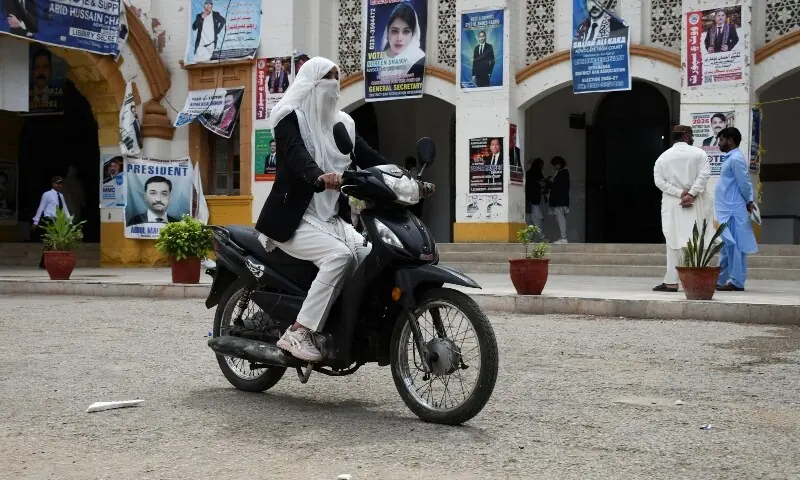
A sharp rise in global fuel prices and fears of petrol shortages have triggered an unexpected surge in demand for electric motorbikes across Pakistan, as tensions in the Middle East disrupt energy markets and threaten supplies passing through the Strait of Hormuz.
In Rawalpindi, Haseeb Bhatti, who converts petrol-powered motorcycles into battery-operated vehicles, said his business experienced a dramatic boost in March, with sales rising by around 70%. The spike in interest followed reports that Iran had effectively restricted shipping through the strategic waterway after US and Israeli attacks in late February.
Similar trends have been seen across the country. Ali Gohar Khan, who runs an electric motorbike retail franchise with outlets in several cities, described the recent increase in demand as the strongest his business had recorded in seven years. He said many customers were worried that petrol might become difficult to obtain in the near future.
The crisis in the Middle East has pushed global oil prices higher, adding further pressure on Pakistani consumers already struggling with inflation and economic challenges following the pandemic. Pakistan relies heavily on imported oil, most of which passes through the Strait of Hormuz, prompting rumours of shortages despite government assurances that supplies remain secure.
Two-wheelers dominate Pakistan’s transport system, with around 30 million motorcycles and auto-rickshaws on the roads. Industry estimates suggest that roughly 40% of the country’s petrol consumption is used to fuel these vehicles, as cars remain unaffordable for many households and public transport options are limited.
Rising fuel costs have intensified the financial burden for many families. Zahoor Ahmed, a security guard in Karachi earning 30,000 rupees a month, said it had become increasingly difficult to cover basic household expenses while paying for petrol. “I can barely manage my family’s needs,” he said. “How am I supposed to fill my bike?”
Industry analysts believe the current crisis could accelerate Pakistan’s shift towards electric mobility, particularly for two-wheelers. Last year, higher petrol prices pushed electric bike sales to around 90,000 units — nearly three times the previous year — accounting for about 5% of all two-wheeler purchases. According to industry estimates, electric models have now surpassed 10% of monthly sales for the first time.
Talha Khan, chief executive of EV logistics planning firm Orko, said the cost difference between petrol and electricity was becoming a decisive factor for consumers. Charging an electric bike can be up to ten times cheaper than filling a petrol tank, he said.
The transition is also being supported by government policy. Earlier this year, Islamabad launched the Pakistan Accelerated Vehicle Electrification (PAVE) programme, offering subsidies covering about one-fifth of the cost of electric two-wheelers and providing interest-free loans for the remaining amount.
The scheme has already attracted around 270,000 applications, far exceeding its initial target for the first phase. Officials say the government aims to finance up to two million electric bikes and rickshaws over the next five years.
Adnan Pasha, an adviser to the finance ministry, said replacing two million petrol-powered vehicles could save Pakistan nearly half a billion dollars annually by reducing oil imports. He added that the programme would be funded through existing levies on fuel sales.
Pakistan’s growing use of solar power is also helping drive interest in electric vehicles. Many households installed solar panels after electricity prices rose sharply in 2023, allowing owners to charge electric bikes at lower cost.
Officials believe this combination of cheap solar energy and government incentives could accelerate adoption of electric mobility. Ammar Habib, an adviser to the power ministry, said electric vehicles could also help stabilise the electricity grid by creating more consistent demand during daylight hours.
Much of the supply chain behind Pakistan’s electric bike boom is dominated by Chinese manufacturers. Brands such as Yadea and Jinpeng are expanding their presence, while many locally assembled bikes rely on Chinese batteries and components from companies including AIMA and Sunra.
However, experts warn that challenges remain. Limited charging infrastructure, weak after-sales service networks and concerns over maintenance could slow adoption if demand grows rapidly.
Energy analysts say the coming months will test whether Pakistan’s shift towards electric mobility can be sustained, particularly if geopolitical tensions continue to drive volatility in global fuel markets.
About Author