Pakistan Blocks Thousands of Passports in Crackdown on Citizens Begging Abroad
By Tanveer Ahmed :
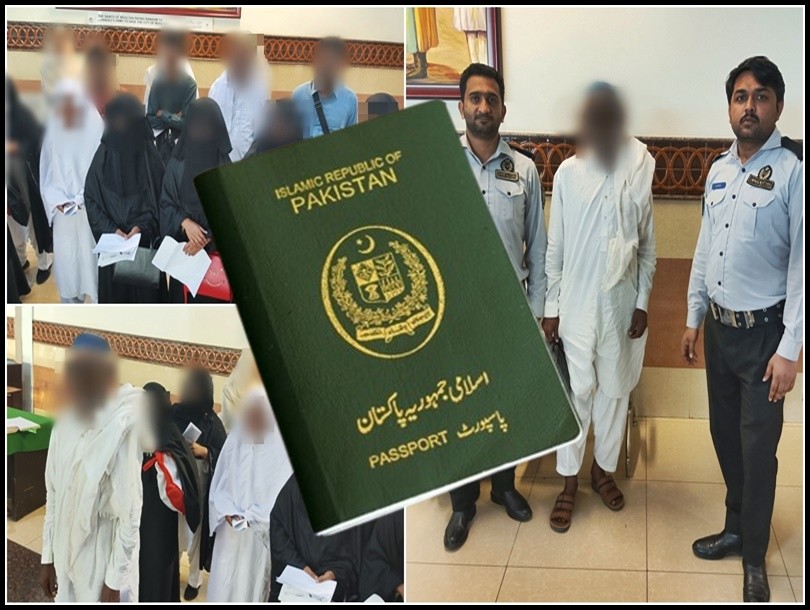
Palistan has blocked several thousand passports and imposed multi-year travel bans on citizens caught begging overseas, a cabinet minister confirmed Wednesday, reporting a significant decline in such cases since enforcement measures were strengthened.
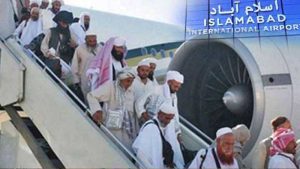
Federal Minister for Overseas Pakistanis Chaudhry Salik Hussain detailed the government’s crackdown on what officials describe as a “beggar mafia” that exploits religious visit visas to solicit money in Gulf countries, particularly Saudi Arabia.
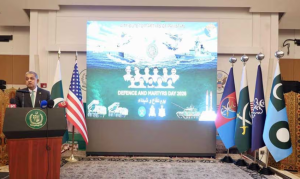
Speaking at the Pakistan Governance Forum in the federal capital, Hussain explained that authorities are targeting individuals who misuse Umrah and other visit visas for begging purposes. He noted that those involved in such activities do not openly identify themselves as beggars when applying for travel documents.
How the System Works
The minister clarified that individuals travel abroad using legitimate visas obtained through proper channels with complete documentation. The problem arises when they engage in begging as a secondary activity once they arrive in destination countries.
“Every document is one hundred percent correct,” Hussain said, emphasizing that the issue stems from misuse of legal travel privileges rather than fraudulent documentation.
When offenders are caught and deported by foreign governments, Pakistan’s Federal Investigation Agency moves to block their passports for periods ranging from five to ten years, preventing them from obtaining new travel documents. The minister confirmed that several thousand passports have been blocked under this system.
Positive Results Reported
Hussain asserted that the enforcement measures have produced a dramatic reduction in cases involving Pakistani citizens begging abroad. The government’s crackdown began last August following complaints from Saudi Arabia and other Middle Eastern states about Pakistanis using visit visas for solicitation.
“We are not sending the beggars abroad,” the minister said, stressing that the government cannot identify potential offenders before they travel.
Broader Labor Export Strategy
The crackdown forms part of a wider government effort to improve the quality of Pakistan’s overseas workforce, which provides crucial remittances to the national economy. Pakistan has held discussions with labor ministers in Qatar, Bahrain, Saudi Arabia, and the United Arab Emirates on this issue.
Hussain emphasized the importance of skill development for Pakistanis seeking employment abroad, noting that quantity must be matched by quality. The government plans to make soft skills training compulsory for all categories of overseas workers, from laborers to university graduates, to ensure they understand local customs and regulations.
Economic Significance
Exporting skilled labor serves a dual purpose for Pakistan, which faces pressure from a growing youth population that domestic industries cannot fully absorb. Overseas employment provides jobs for Pakistanis while generating remittance income that recently reached record levels.
The minister highlighted that workers abroad not only find employment but also send valuable foreign currency back home, supporting the national economy.
Digitization Drive
Hussain also outlined broader reforms aimed at digitizing overseas employment processes to reduce corruption and inefficiency. The government is moving rapidly toward digital systems, recognizing that problems typically arise at points of human interaction.
“Problems and issues arise where humans interact with humans,” he said, explaining that maximum digitization would minimize opportunities for irregularities in the overseas employment pipeline.
About Author