Teenagers Increasingly Turning to AI Chatbots for Emotional Support, Experts Warn
By Tanveer Ahmed :
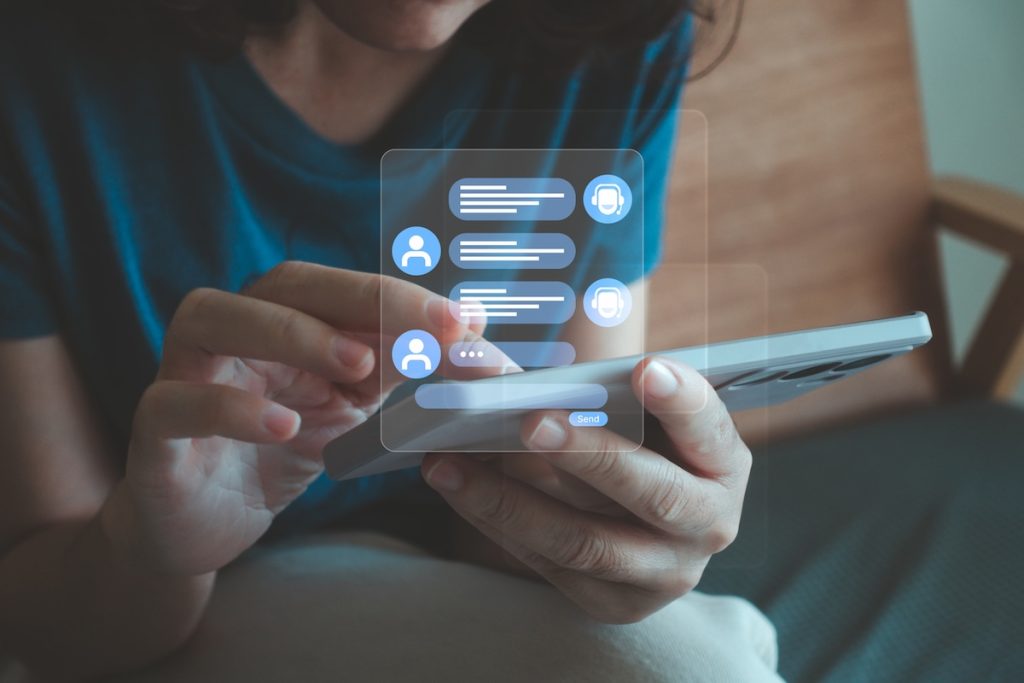
Chatbots were originally developed to answer questions, solve problems and enhance productivity. However, a growing trend suggests that many teenagers are now using artificial intelligence not just as a tool, but as a source of emotional companionship — a shift that psychologists say could have long-term social consequences.
Mental health experts describe the behaviour as a form of emotional reliance on AI. While it is not formally recognised as a medical addiction, researchers warn it mirrors patterns seen in problematic technology use and may affect emotional development, real-world relationships and social skills among young users.
From Homework to Emotional Dependence
Teenagers are increasingly spending significant amounts of time interacting with AI systems, not only for schoolwork, but also for emotional reassurance, relationship advice, and personal conversations. Some adolescents report communicating more frequently with chatbots than with their friends or family members.
The appeal lies in the nature of AI itself. Chatbots are always available, non-judgmental, patient, and designed to respond with empathy. For young people experiencing loneliness, anxiety or social insecurity, these systems can feel safer than human relationships, which are often complex and emotionally challenging.
Why AI Feels Comforting
Modern AI chatbots are engineered to engage users emotionally. Industry analysts note that emotional responsiveness is a core design feature, as it encourages longer interactions and sustained usage.
Over time, repeated emotional engagement can create a one-sided bond. Unlike human relationships, AI does not experience fatigue, conflict or emotional limits. It never leaves, never rejects, and never challenges users in uncomfortable ways — reinforcing a sense of constant validation.
Psychologists warn that this dynamic can create an artificial sense of connection, without the mutual understanding that defines healthy human relationships.
Psychological Risks
Studies on adolescent technology behaviour suggest that excessive emotional reliance on AI may lead to reduced social skills, lower tolerance for real-world conflict, increased social withdrawal, difficulty forming genuine emotional bonds, and unrealistic expectations of relationships.
Experts compare the pattern to excessive use of social media or online gaming, where emotional needs are increasingly met through digital platforms rather than real-life interactions.
Warning Signs for Parents
Mental health professionals advise parents to watch for behavioural changes such as prioritising chatbot interactions over friends or family, irritability when AI access is limited, late-night usage, secrecy around screen activity, loss of interest in offline hobbies, and declining academic or social performance.
These indicators suggest that AI is shifting from a functional tool to an emotional dependency.
A New Kind of Tech Challenge
Unlike previous digital platforms, AI offers direct emotional engagement. It listens, responds, and mirrors emotions, making it more psychologically immersive than social media or gaming.
This has raised ethical concerns about emotional design, psychological vulnerability among young users, and whether technology companies should introduce safeguards to prevent emotional dependency.
What Experts Recommend
Rather than banning AI tools, psychologists suggest promoting healthy boundaries through open conversations, emotional literacy education, encouraging in-person social interaction, setting tech-free periods — particularly before bedtime — and focusing on how technology affects emotional wellbeing rather than just screen time.
The emphasis, experts say, should be on balance, not restriction.
The Bigger Picture
While AI will remain a central part of modern life and offers benefits for learning and creativity, specialists stress that it cannot replace human connection. Adolescents develop emotionally through real-world experiences such as conflict, rejection, empathy and vulnerability — processes that cannot be replicated by algorithms.
Experts caution that AI itself is not inherently harmful, but emotional overreliance could reshape how young people form relationships. Without guidance and awareness, teenagers may grow more comfortable interacting with machines than with people — a shift that could quietly redefine social behaviour for future generations.
The challenge, researchers conclude, is not limiting technology, but ensuring young people learn to use it without replacing genuine human connection.
About Author