
US Jury Orders Uber to Pay $8.5m in Sexual Assault Case
By Tanveer Ahmed :
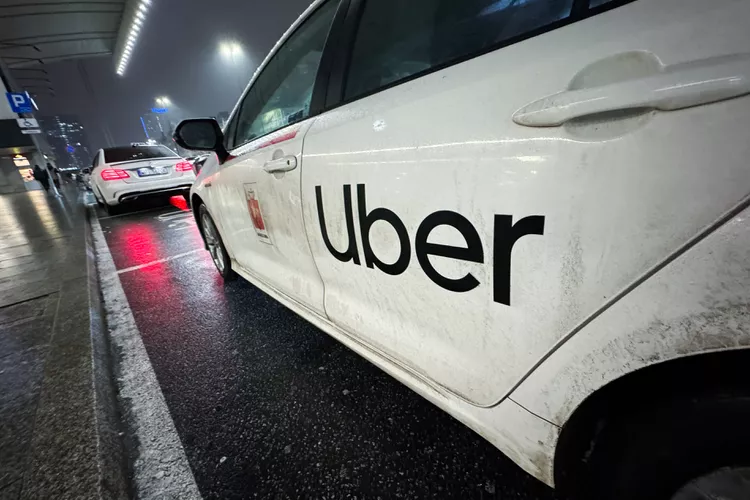
A US jury has ordered ride-hailing company Uber to pay $8.5 million in damages to a woman who accused one of its drivers of sexually assaulting her, in a ruling that could have major implications for thousands of similar lawsuits pending against the company.
The case was heard in a federal court in Arizona, where jurors spent two days reviewing evidence before concluding that Uber bore responsibility for the driver’s actions. The company has said it plans to challenge the decision through an appeal.
While the jury dismissed other claims in the lawsuit — including allegations that Uber had been negligent or that its safety systems were flawed — it ruled that the company was legally liable under the “apparent agency” principle. This doctrine holds companies accountable for the actions of individuals acting on their behalf, leading to the $8.5m compensation award.
The plaintiff, Jaylynn Dean, said she was assaulted while travelling in an Uber vehicle to her hotel in 2023. She claimed the company was already aware of widespread reports of sexual misconduct involving drivers but failed to introduce adequate safety measures to protect passengers.
However, the jury did not accept her demand for more than $144 million in punitive damages, limiting the award to compensatory damages only.
Dean’s legal team welcomed the ruling. One of her lead attorneys said the verdict acknowledged the experiences of thousands of victims who had come forward, often at great personal cost. Another lawyer added that real justice would depend on whether Uber implements stronger safety reforms in the future.
Dean’s case is one of the first in a group of 20 “bellwether” trials — test cases intended to shape legal outcomes for around 2,500 similar lawsuits currently pending in federal courts across the United States.
During the trial, Dean’s lawyers argued that Uber had promoted itself as a safe travel option, particularly for women, and that this messaging created a false sense of security.
Uber, in its defence, maintained that it should not be held accountable for criminal behaviour carried out by drivers who operate as independent contractors. The company said its drivers undergo background checks and that the incident could not have been predicted, as the driver involved had no criminal history and positive passenger reviews.
In a statement following the verdict, Uber noted that the jury had rejected claims of negligence and safety system failures. The company said the compensation awarded was far lower than what the plaintiff had sought and pointed out that no punitive damages were imposed.
The firm added that in a previous similar case, it was not found legally responsible for an alleged assault by one of its drivers, reinforcing its position that it has invested significantly in passenger safety.
About Author