Pakistan cuts fuel prices sharply after global oil dip following US-Iran ceasefire
By Shahzad Paracha :
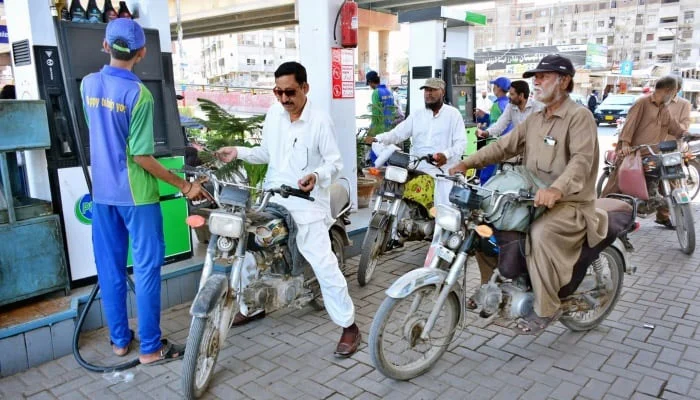
Prime Minister Shehbaz Sharif has announced a significant reduction in fuel prices across Pakistan, citing a drop in international oil rates after a two-week ceasefire between the United States and Iran eased pressure on global energy markets.
Under the new pricing for the week ending April 17, the government slashed the price of high-speed diesel by Rs135 per litre, bringing it down to Rs385.54 from Rs520.35 — a decline of around 26%. Petrol prices have also been reduced by Rs11.83 per litre, falling from Rs378.41 to Rs366.58.
Other petroleum products also saw cuts. Kerosene is now priced at Rs450.15 per litre after a reduction of Rs17.33, while light diesel oil dropped by Rs25.31 to Rs369.72 per litre.
Officials said the sharp fall in diesel prices was not solely the result of declining global oil rates. A revision to the domestic pricing formula also played a key role, correcting what authorities described as an imbalance that had been benefiting local refineries as the gap widened between locally produced and imported fuel during the recent conflict.
More than 70% of Pakistan’s diesel supply is produced domestically, but its pricing is traditionally linked to import parity with Middle Eastern markets. Officials said this had previously resulted in higher margins for local refiners, and the latest adjustment helped bring diesel prices down more significantly than petrol.
Despite the reductions, the government has kept existing tax rates unchanged. Diesel currently carries around Rs39 per litre in taxes, including Rs36 in customs duty and a climate support levy. Petrol is subject to about Rs107 per litre in total taxes, consisting of Rs81 petroleum levy, Rs24 customs duty and Rs2.5 climate levy.
Taxes on other fuels remain in place as well, with kerosene attracting about Rs21 per litre in petroleum levy and light diesel oil about Rs16 per litre.
Deputy Prime Minister and Foreign Minister Ishaq Dar also confirmed the revised prices on social media, sharing the official notification detailing the cuts.
In a televised address ahead of planned US-Iran negotiations, Mr Sharif said he had rejected a proposal to retain part of the international price decline to offset approximately Rs129 billion the government had spent on fuel subsidies over the past month.
He said he had decided instead to pass the full benefit to consumers, praising the public for showing patience during the recent surge in energy prices.
The prime minister said lowering diesel prices was particularly important for farmers, as the wheat harvesting season had already begun, warning that higher fuel costs could have increased food prices.
He added that the government would continue targeted subsidies for two-wheelers, public transport and the agriculture sector, even without financial contributions from provincial governments.
Fuel prices had surged earlier this year after the United States and Israel launched strikes on Iran on February 28, pushing petrol and diesel rates in Pakistan up from Rs266 and Rs281 per litre respectively and sending shockwaves through global energy markets.
About Author