Experts Warn Mpox Outbreak in Sindh Requires Urgent Public Health Response
By Sadia Khan :
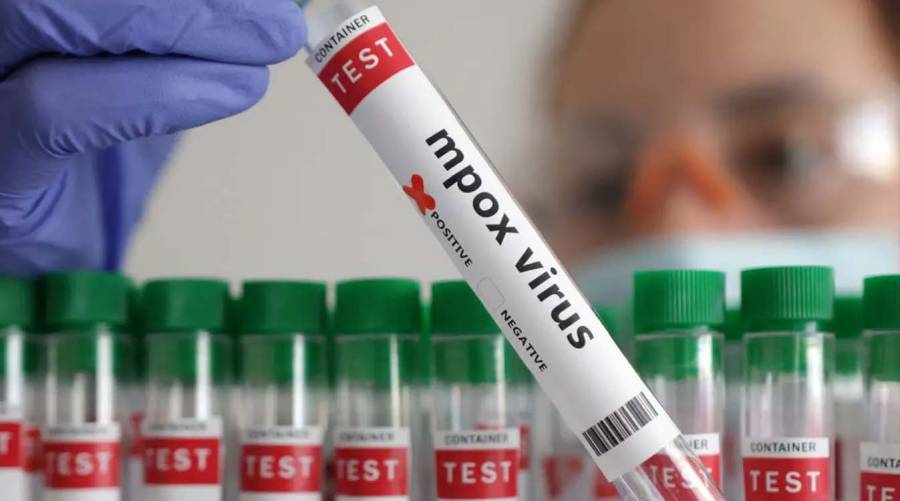
Medical experts have urged authorities to treat the recent mpox outbreak in Sindh as an urgent public health concern, warning that emerging cases suggest the virus may now be spreading locally within Pakistan.
The warning came during a media roundtable hosted by the Aga Khan University Hospital (AKUH) on Wednesday following reports of an outbreak in Khairpur district. Health officials confirmed last week that seven newborn babies had tested positive for the viral infection, with four of them dying.
Specialists said the outbreak raised serious concerns about infection control practices and the possibility that the virus had begun circulating locally rather than being limited to imported cases.
According to experts, the situation in Khairpur and a confirmed case in Karachi earlier this year point to potential local transmission. They warned that the outbreak may indicate the virus has entered healthcare settings outside major urban centres, highlighting gaps in infection prevention systems.
Dr Faisal Mahmood, professor of infectious diseases at AKUH, said public awareness and early detection were crucial in preventing further spread.
“We are at a moment where awareness can determine whether the outbreak is contained or allowed to spread,” he said, adding that both the public and healthcare professionals needed to recognise symptoms quickly and respond without delay.
Pakistan reported 53 confirmed mpox cases in 2025, most of them linked to international travel. However, experts say recent developments suggest a shift in the pattern of infections.
Mpox is primarily transmitted through close physical contact, including skin-to-skin contact with an infected person or contact with contaminated items such as bedding and clothing. The virus can also spread through respiratory droplets during prolonged close contact and, in some cases, from a mother to a child during pregnancy or birth.
Doctors noted that outbreaks in healthcare settings could also occur through the use of unsterilised medical equipment, though investigations into such possibilities are ongoing.
Common symptoms include fever, swollen lymph nodes and a distinctive rash or lesions that can appear on the face, palms, soles and genital area. Most people recover within two to four weeks, but the infection can be more severe for newborns, pregnant women and individuals with weakened immune systems.
Dr Fatima Mir, professor of paediatric infectious diseases at AKUH, warned that delayed isolation and weak infection control measures could lead to rapid spread within healthcare facilities.
“Ignoring symptoms or failing to follow proper infection prevention protocols can result in cross infection,” she said, adding that such situations were largely preventable with timely action.
Hospital officials confirmed that a child from Khairpur is currently receiving treatment for mpox at AKUH. Dr Mir said the patient’s condition was stable and that treatment was being provided in line with established medical protocols.
Health experts advised anyone experiencing symptoms consistent with mpox to isolate immediately and contact a healthcare provider. They also recommended that people who have had contact with confirmed or suspected cases monitor themselves for symptoms for up to 21 days.
Authorities in Sindh first became aware of the situation on March 14 after reports of unusual skin lesions among children in Khairpur. Blood samples were later sent to a laboratory in Karachi, where testing confirmed seven cases of mpox, according to a report released by the provincial health department earlier this month.
About Author