Trump Consults Saudi Crown Prince on Iran Ceasefire as UAE Weighs Military Action in Hormuz
By Sabeeh Zanair :
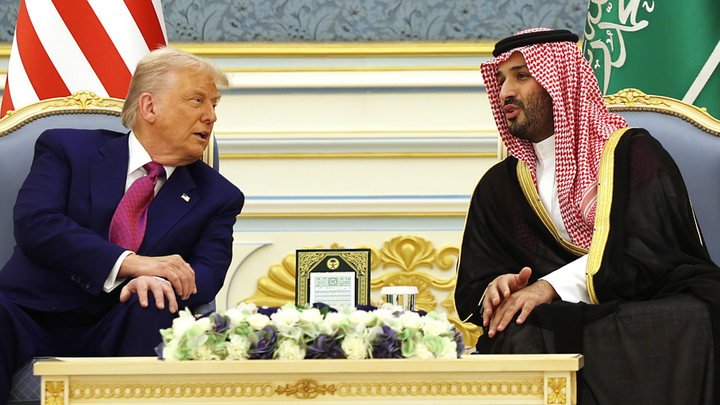
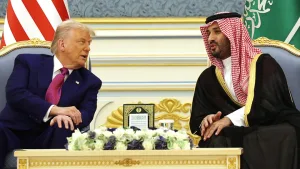
President Donald Trump held a high-stakes telephone conversation with Saudi Crown Prince Mohammed bin Salman on Wednesday to discuss a potential ceasefire in the month-long war against Iran. According to reports from Axios, Trump briefed the Crown Prince on ongoing negotiations aimed at halting the conflict, which has claimed over 1,900 lives since U.S. and Israeli forces initiated airstrikes on February 28, 2026.
The diplomatic outreach comes amidst conflicting narratives from Washington and Tehran. President Trump claimed on his Truth Social platform that a “new regime” leader in Iran had requested a ceasefire, describing the individual as “far more intelligent than his predecessors.” However, Iranian Foreign Minister Abbas Araghchi and Ministry spokesperson Esmaeil Baqaei swiftly dismissed the claim as “baseless,” asserting that no such request had been made and labeling U.S. peace proposals—reportedly passed through Pakistani intermediaries—as “excessive and unrealistic.”
Escalating Strikes on Industrial Infrastructure
While talks proceed behind the scenes, the military campaign has intensified its focus on Iran’s industrial backbone. U.S.-Israeli airstrikes recently targeted major steel complexes in central and southwest Iran, including the Mobarakeh Steel Company in Isfahan and its subsidiary, Sefid Dasht Steel. These facilities are critical for the production of missiles, drones, and naval vessels. Initial assessments from the Fars news agency indicate “massive damage” to production units, further degrading Tehran’s long-term military manufacturing capabilities.
UAE Considers Military Intervention in the Strait
The maritime dimension of the war reached a new flashpoint following reports that the United Arab Emirates is preparing to support U.S.-led efforts to reopen the Strait of Hormuz by force. According to the Wall Street Journal, the UAE is lobbying for a UN Security Council resolution to authorize military action and is urging European and Asian powers to form a coalition to secure the waterway. The Gulf state is reportedly reviewing military roles, including mine-clearing operations, marking a potential shift toward direct participation in the conflict.
The UAE Foreign Ministry emphasized a “broad global consensus” on the necessity of preserving freedom of navigation in the strategic chokepoint, which remains a primary target of Iranian retaliatory drone and missile strikes.
NATO Tensions and U.S. Withdrawal Warnings
On the domestic front, President Trump signaled a potential seismic shift in U.S. foreign policy ahead of a scheduled primetime address to the nation. Speaking to Reuters, the President expressed deep dissatisfaction with NATO allies for their perceived lack of support in the Iran campaign. Trump stated he is “absolutely” considering a withdrawal from the alliance, arguing that the U.S. should be able to exit Iran quickly and return only for “spot hits” as needed.
The conflict has taken a toll on U.S. forces, with at least 13 service members killed to date. As the April 6 deadline approaches, the administration remains divided between pursuing a “ceasefire for Hormuz” swap and the President’s warning to strike Iran “into oblivion” if the waterway is not immediately cleared for international shipping.
About Author