IMF Reaches $1.2 Billion Staff-Level Agreement with Pakistan, Backs Economic and Energy Policies
By Shahzad Paracha :
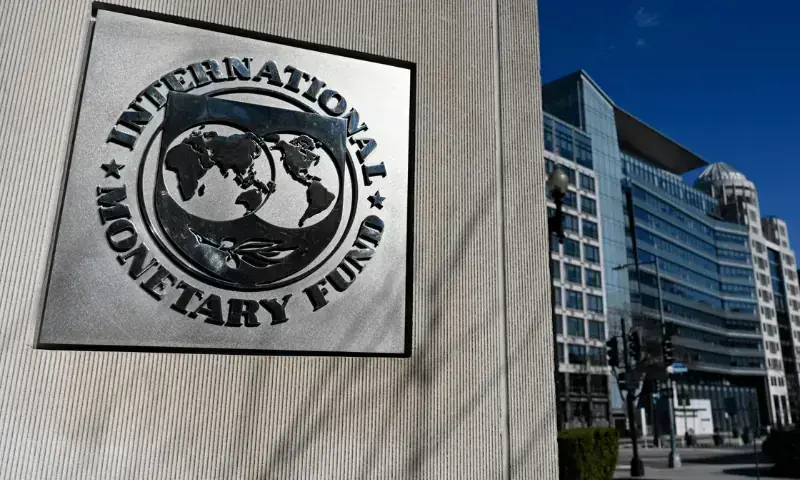
The International Monetary Fund (IMF) on Saturday announced a staff-level agreement (SLA) with Pakistan, paving the way for disbursement of approximately $1.2 billion following the successful conclusion of the third review under the country’s Extended Fund Facility (EFF) and the second review under the Resilience and Sustainability Facility (RSF).
The IMF expressed cautious support for Pakistan’s fuel pricing policy amid the ongoing Middle East crisis and confirmed that programme implementation under the EFF remains broadly aligned with the authorities’ objectives to strengthen public finances, contain inflation within the State Bank of Pakistan’s (SBP) target range, enhance energy sector viability, and advance structural reforms while bolstering social protection and health and education spending.
IMF mission chief Iva Petrova said, subject to board approval, Pakistan will receive around $1.0 billion (SDR 760 million) under the EFF and $210 million (SDR 154 million) under the RSF, bringing total disbursements under the two programmes to about $4.5 billion. Talks were conducted in Karachi and Islamabad between February 25 and March 2, and continued virtually afterward.
“Supported by the EFF, ongoing policies have strengthened the economy and rebuilt market confidence. Economic activity gained further momentum in the early months of the current fiscal year, while inflation and the current account remained contained, and external buffers strengthened,” the IMF statement said.
However, the Fund warned that the conflict in the Middle East could pose risks to inflation, growth, and the current account due to volatile energy prices and tighter global financial conditions.
The IMF outlined key policy priorities for Pakistan:
- Prudent Fiscal Management: Pakistan aims to maintain fiscal discipline and reduce public debt, targeting a primary surplus of 1.6 percent of GDP in FY26 and an underlying primary balance of 2 percent of GDP in FY27. Measures include broadening the tax base, strengthening expenditure discipline, and increasing social, health, and education spending.
- Fiscal Structural Reforms: The authorities are implementing revenue mobilisation measures through the Federal Board of Revenue (FBR), including enhanced audits, digital invoicing, and strengthened governance. A medium-term tax reform strategy is being developed to ensure policy stability.
- Social Protection and Poverty Reduction: Efforts are underway to expand and improve the Benazir Income Support Program (BISP) to support vulnerable households affected by volatile food and fuel prices, including inflation-adjusted cash transfers and wider coverage. Federal and provincial spending on health and education is also being increased.
- Monetary Policy: The SBP remains committed to keeping inflation within its target range and may adjust interest rates as necessary. Exchange rate flexibility will continue to act as the primary shock absorber.
- Energy Sector Reforms: The authorities are committed to achieving energy sector viability, avoiding subsidies, ensuring timely tariff adjustments, and promoting efficiency through privatisation, competitive markets, and renewable energy adoption.
- Structural Reforms: Pakistan is pursuing reforms to reduce state intervention, improve governance, reduce inefficiencies, promote private sector development, and advance anti-corruption initiatives.
- Climate Resilience: Policies under the RSF, including green mobility, decarbonisation, and disaster risk financing, aim to enhance resilience to climate-related risks. Authorities plan further reforms in water management, climate-related spending, and aligning energy sector policies with national mitigation goals.
“The IMF team is grateful to the Pakistani authorities, private sector, and development partners for their hospitality and fruitful discussions during the visit to Islamabad and Karachi,” the statement concluded.
This agreement marks a critical step in Pakistan’s ongoing engagement with the IMF to maintain macroeconomic stability, support structural reforms, and address emerging challenges in the domestic and global economic environment.
About Author