Iran launches missile strikes after killing of security chief Larijani
By Sabeeh Zanair :
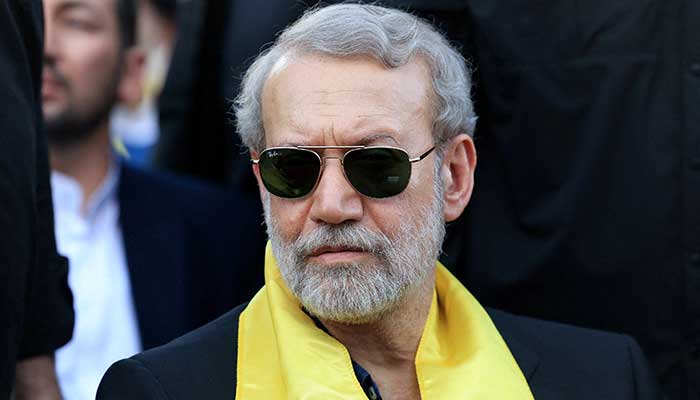
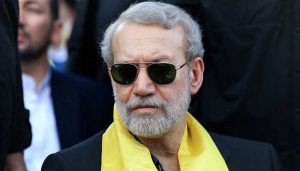
Iran has vowed a “decisive” response following the reported killing of senior official Ali Larijani, launching a wave of missile attacks towards Israel as regional tensions continue to escalate.
Israeli authorities said two people were killed near Tel Aviv after Iranian missiles struck areas close to the country’s commercial hub. Other projectiles and drones were intercepted over Gulf states, with some reportedly aimed at US military bases in the region.
Iranian state-linked media said funerals would be held for Larijani and Gholamreza Soleimani, head of the Basij paramilitary force, who was also reported killed in Israeli strikes.
Larijani is among the most senior Iranian figures to be killed since Israel and the United States launched attacks on Iran in late February, which Tehran says also resulted in the death of Supreme Leader Ali Khamenei.
“Iran’s response… will be decisive and regrettable,” said army chief Amir Hatami, signalling further escalation.
Regional and global impact
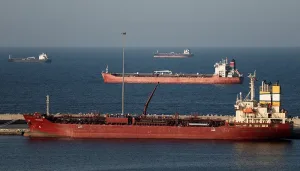
Beyond military retaliation, Iran has sought to exert pressure on global markets. Disruption around the Strait of Hormuz — through which roughly a fifth of the world’s oil supply passes — has pushed crude prices close to $100 a barrel.
Foreign Minister Abbas Araghchi warned the wider economic consequences of the conflict were “only just beginning”.
In response, the United States said it had carried out strikes on Iranian missile sites near the coast. United States Central Command confirmed the use of heavy munitions targeting facilities seen as a threat to international shipping.
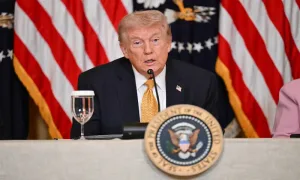
US President Donald Trump criticised allies for not supporting efforts to secure shipping routes, while insisting the US could act alone if necessary.
Escalating rhetoric
Iran’s Islamic Revolutionary Guard Corps said the missile attacks were in retaliation for Larijani’s killing, warning that his death would lead to further strikes and describing it as a catalyst for “national awakening”.
Turkey’s Foreign Minister Hakan Fidan condemned Israel’s actions, calling targeted killings of Iranian leaders “illegal”.
Israel, however, signalled it would continue its campaign. Military spokesman Effie Defrin said the country would pursue Iran’s new supreme leader Mojtaba Khamenei, who has not appeared publicly since assuming the role.
Prime Minister Benjamin Netanyahu reiterated calls for political change in Iran, saying sustained pressure could eventually allow Iranians to determine their own future.
Humanitarian toll
The conflict has also had a severe impact beyond Iran and Israel. In Beirut, fresh Israeli strikes killed at least six people on Wednesday, according to Lebanese authorities.
Officials say more than 900 people have been killed in Lebanon since early March, with over one million displaced. Many have sought refuge in shelters, while others have been forced to sleep in vehicles due to overcrowding.
Aid workers report growing strain on resources. “Lots of people are coming every day to ask for shelter but we don’t have space anymore,” said one relief coordinator in the southern city of Sidon.
The latest developments underline the widening scope of the conflict, with rising civilian casualties and increasing risks to regional stability and global economic flows.
About Author