Light Rainfall Boosts Wheat Crop Prospects, Experts Say
By Bilal Haider :
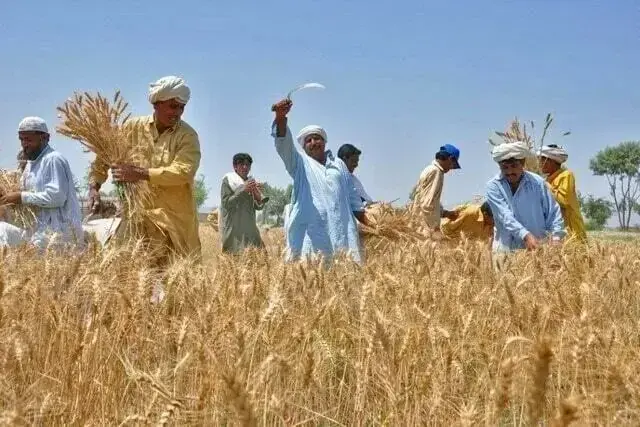
Agricultural experts say recent light rainfall could prove beneficial for Pakistan’s wheat crop, improving grain development and increasing the likelihood of a strong harvest this year.
Speaking to reporters, Khalid Mahmood said the drizzle recorded on Thursday morning had come at a critical time, as much of the wheat crop is currently in its ripening stage.
He explained that temperatures had risen to around 33–35°C over the past few days, conditions that could negatively affect pollination and reduce grain size.
Temperature drop aids grain development
According to Mahmood, the rainfall helped lower temperatures by about two to three degrees Celsius, creating more favourable conditions for pollination and grain filling.
He noted that the ripening stage is particularly sensitive for wheat. A sudden rise in temperature during this period can cause heat stress, potentially reducing crop yield.
Cultivation exceeds target
Officials also reported that wheat cultivation has exceeded the government’s initial targets in Punjab.
The province had set a target of sowing wheat on 16.5 million acres, but farmers cultivated the crop on about 16.7 million acres this season.
In the Faisalabad Division, the target was 1.8 million acres, while the actual cultivated area reached approximately 1.867 million acres.
Improved varieties and early sowing
Mahmood said the strong crop outlook was also supported by early sowing in November and the use of approved, climate-resilient wheat varieties, including Dil Kash, Urooj and Akbar.
These varieties, he added, are capable of tolerating moderate fluctuations in temperature, helping protect yields during changing weather conditions.
Government support measures
The provincial government has set the wheat support price at Rs3,500 per maund and launched awareness campaigns encouraging farmers to increase wheat cultivation.
Agriculture officials say the combination of favourable weather, improved seed varieties and increased cultivation area has raised expectations that production targets could be met this season.
About Author