Petrol Price Hike Drives Up Vegetable and Fruit Costs in Karachi and Lahore
By Shahzad Paracha :
A sharp increase in petrol prices by the Government of Pakistan has begun to push up the cost of vegetables and fruits across the country, with markets in Karachi and Lahore already witnessing rising prices.
Traders say the surge in petroleum prices has significantly increased transportation costs, forcing vendors to raise the prices of fresh produce in local markets.
Prices rise in Lahore markets
In Lahore, several commonly used vegetables have already seen noticeable price increases.
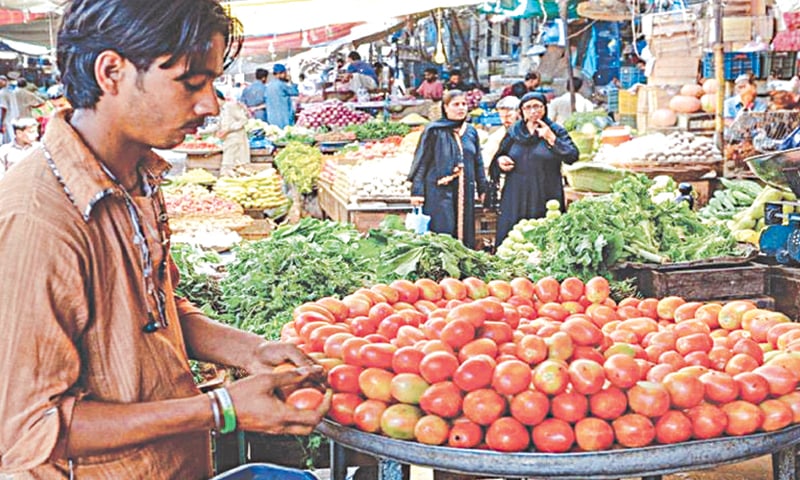
Tomatoes are currently being sold at Rs70–75 per kilogram, onions at Rs55–60 per kilogram, and ginger at around Rs310 per kilogram.
Meanwhile, staple food items such as flour, sugar and rice have remained relatively stable for the time being. Sugar is selling at around Rs160 per kilogram, while a 10-kilogram bag of flour costs about Rs910. Rice prices range between Rs250 and Rs400 per kilogram, depending on quality.
However, market sources warn that these prices could rise further in the coming days if fuel costs remain high.
Ramzan Nigahban markets maintain stability
Prices at government-supported Ramzan Nigahban markets have remained comparatively stable despite the petrol price hike.
At these markets, onions are available at Rs50 per kilogram, tomatoes at Rs63, and ginger at Rs282 per kilogram.
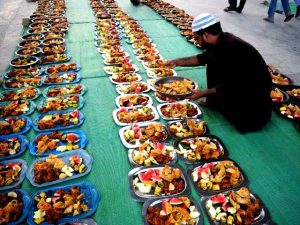
Officials say the initiative aims to provide relief to consumers during the holy month of Ramadan by offering essential food items at controlled prices.
Karachi markets also affected
The impact of rising petrol prices is also being felt in Karachi, where vegetable and fruit prices have increased in several local markets.
Potatoes are currently being sold at Rs30 per kilogram, onions at Rs40, spinach bundles at Rs20–30, and peas at around Rs120 per kilogram.
Green chillies are being sold at Rs150 per kilogram, while ginger and garlic have climbed to as much as Rs400 per kilogram.
Fruit prices have also surged, with melons and guavas selling at Rs150 per kilogram, bananas at around Rs350 per dozen, tangerines at Rs400 per dozen, and strawberries reaching Rs800 per kilogram in some markets.
Transport costs driving inflation
Vendors say the primary reason behind the price increase is the rise in transportation costs after the petrol price hike.
With fuel becoming more expensive, transporting fruits and vegetables from farms to urban markets has become significantly costlier.
Traders say they have little choice but to pass the additional expenses on to consumers.
Economists warn that if fuel prices remain elevated, the cost of essential food items could continue to rise, adding further pressure on households already struggling with inflation.
Petrol Price Hike Drives Up Vegetable and Fruit Costs in Karachi and Lahore
A sharp increase in petrol prices by the Government of Pakistan has begun to push up the cost of vegetables and fruits across the country, with markets in Karachi and Lahore already witnessing rising prices.
Traders say the surge in petroleum prices has significantly increased transportation costs, forcing vendors to raise the prices of fresh produce in local markets.
Prices rise in Lahore markets
In Lahore, several commonly used vegetables have already seen noticeable price increases.
Tomatoes are currently being sold at Rs70–75 per kilogram, onions at Rs55–60 per kilogram, and ginger at around Rs310 per kilogram.
Meanwhile, staple food items such as flour, sugar and rice have remained relatively stable for the time being. Sugar is selling at around Rs160 per kilogram, while a 10-kilogram bag of flour costs about Rs910. Rice prices range between Rs250 and Rs400 per kilogram, depending on quality.
However, market sources warn that these prices could rise further in the coming days if fuel costs remain high.
Ramzan Nigahban markets maintain stability
Prices at government-supported Ramzan Nigahban markets have remained comparatively stable despite the petrol price hike.
At these markets, onions are available at Rs50 per kilogram, tomatoes at Rs63, and ginger at Rs282 per kilogram.
Officials say the initiative aims to provide relief to consumers during the holy month of Ramadan by offering essential food items at controlled prices.
Karachi markets also affected
The impact of rising petrol prices is also being felt in Karachi, where vegetable and fruit prices have increased in several local markets.
Potatoes are currently being sold at Rs30 per kilogram, onions at Rs40, spinach bundles at Rs20–30, and peas at around Rs120 per kilogram.
Green chillies are being sold at Rs150 per kilogram, while ginger and garlic have climbed to as much as Rs400 per kilogram.
Fruit prices have also surged, with melons and guavas selling at Rs150 per kilogram, bananas at around Rs350 per dozen, tangerines at Rs400 per dozen, and strawberries reaching Rs800 per kilogram in some markets.
Transport costs driving inflation
Vendors say the primary reason behind the price increase is the rise in transportation costs after the petrol price hike.
With fuel becoming more expensive, transporting fruits and vegetables from farms to urban markets has become significantly costlier.
Traders say they have little choice but to pass the additional expenses on to consumers.
Economists warn that if fuel prices remain elevated, the cost of essential food items could continue to rise, adding further pressure on households already struggling with inflation.
About Author