Military Courts to Try Suspects in Gilgit-Baltistan Attacks, Police Chief Says
By Sardar Burhan :
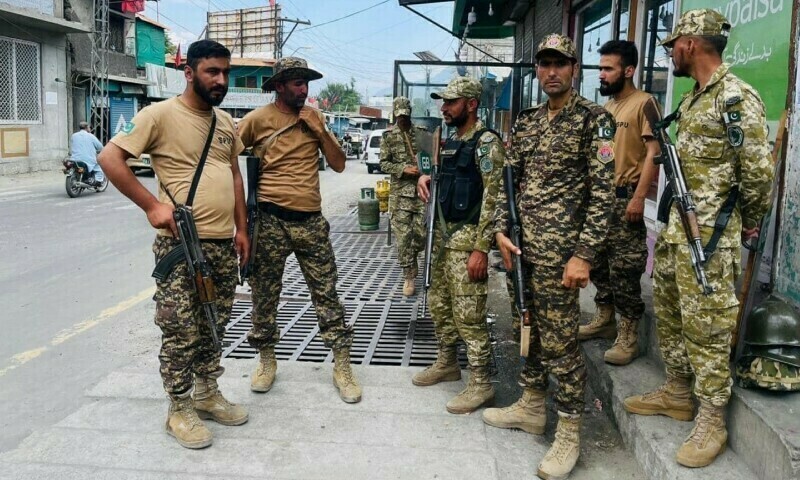
Authorities in Gilgit-Baltistan have announced that suspects involved in recent attacks on military installations in the region will face trial in military courts, according to the area’s police chief.
Inspector General of Police Dr Nasir Akbar Khan said on Thursday that several cases had been registered under anti-terrorism laws following violent incidents in Gilgit and Skardu.
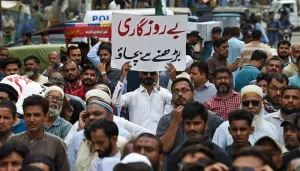
Speaking at a press conference in Gilgit, the police chief said the unrest erupted after protests linked to the assassination of Iran’s supreme leader Ayatollah Ali Khamenei during recent attacks by the United States and Israel on Iran.
Coordinated attacks on institutions
Khan said authorities believed the attacks were organised and could not have been carried out spontaneously.
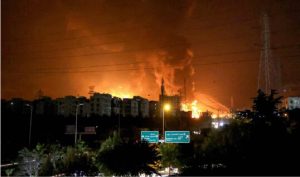
According to police, several security-related and public facilities were targeted during the violence, including military installations, residences of police officers, educational institutions, and offices of the Aga Khan Rural Support Programme (AKRSP). Information technology centres were also damaged.
The police chief said the scale and nature of the incidents suggested that those involved had access to planning and resources.
“These actions do not appear to have been carried out with limited means or spontaneously,” he told reporters.
He also said religious scholars had distanced themselves from those responsible for the violence.
“Religious leaders from different sides have clarified that individuals involved in such destructive activities have no connection with them,” Khan said, adding that those responsible must be isolated from society in order to maintain peace and stability.
Joint investigation underway
Authorities have formed a joint investigation team to examine the incidents.
The police chief said the team was led by two senior officers, one overseeing the investigation in Gilgit and the other in Skardu.
He cautioned that the inquiry would take time and urged the public to avoid speculation until investigators establish clear links between suspects and the attacks.
“Facts will become clearer as the investigation proceeds,” he said.
Military courts to handle some cases
Khan explained that the damage caused during the unrest fell into two main categories.
Attacks on military installations would be handled under Pakistan’s military laws, meaning suspects could be tried in military courts. Incidents involving damage to private or public property, however, would be dealt with under anti-terrorism legislation.
The police chief said arrests would be made once investigators completed the identification of those responsible.
“Gilgit-Baltistan is a peaceful region and no one will be allowed to disturb its peace,” he added.
Security measures tightened
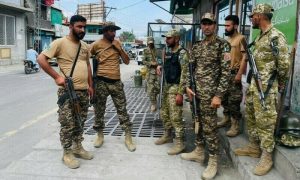
Authorities have increased security measures across the region in response to intelligence warnings.
Khan said threat alerts suggested that hostile elements might attempt to destabilise Pakistan by creating unrest and placing pressure on security forces.
Security checks at entry and exit points of Gilgit-Baltistan have been strengthened, and residents have been advised to carry identification cards when travelling.
Curfew adjustments and return to normalcy
Officials said the curfew imposed in Gilgit following the clashes has now been lifted, although certain areas remain classified as sensitive.
Security forces will maintain heightened vigilance in those locations.
In Skardu, however, curfew restrictions remain in place, though authorities have begun adjusting the timings to allow residents to carry out daily activities.
Civil and military officials are also working with community leaders and religious scholars to help restore normal life and ensure that business and social activities continue without disruption.
Khan thanked residents of Gilgit and Skardu for cooperating with authorities during the crisis and for observing curfew restrictions.
Casualties and injuries reported
The police chief said preliminary figures indicated that 20 people had been killed during the unrest.
Ten people, including three members of the security forces, died in clashes linked to protests in Skardu. Another 10 people were killed in Gilgit near a United Nations office.
More than 25 people were injured in Skardu and around 13 in Gilgit, according to officials. Among the injured were both civilians and members of the security forces, including a deputy superintendent of police in Skardu and a station house officer in Gilgit.
Khan said these numbers were based on early reports and could change as investigations continued.
A final report detailing the full scale of the violence and identifying those responsible will be released once the inquiry is complete, he added.
About Author