
Pakistan’s Weekly Inflation Rises for 30th Consecutive Week as Food and Energy Prices Bite
By Shahzad Paracha :
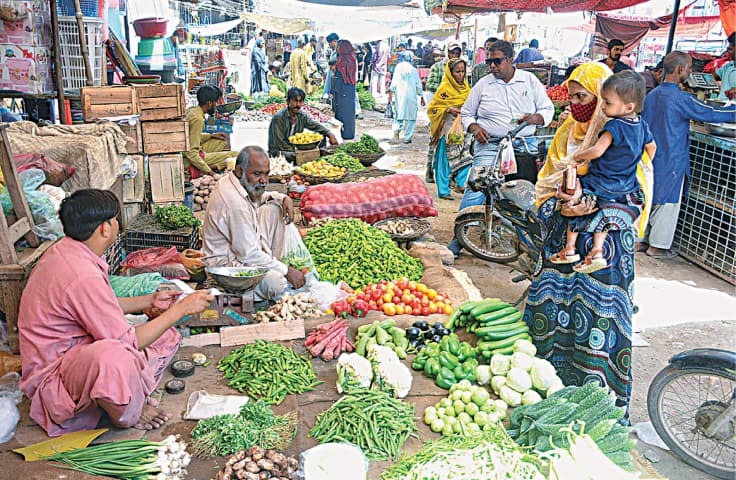
Pakistan’s short-term inflation has extended its relentless climb, recording a 4.23 percent year-on-year increase for the week ending February 26, driven primarily by soaring fruit prices and elevated energy costs that continue to strain household budgets.
The latest data from the Pakistan Bureau of Statistics, released Friday, marks the 30th consecutive week of rising inflation as measured by the Sensitive Price Index, underscoring the persistent financial pressure on ordinary citizens.
What’s Getting More Expensive
The annual comparison paints a grim picture for consumers. Gas charges for the first quarter surged nearly 30 percent compared to the same period last year, while wheat flour prices jumped 29.51 percent. Electricity costs rose 17.33 percent, and tomatoes became 16.83 percent more expensive. Chilies powder, LPG, bananas, beef, and firewood all saw double-digit price increases over the past year.
On a weekly basis, bananas posted the sharpest increase at 4.49 percent, followed by shirting fabric, LPG, garlic, and mutton. Pulse masoor, lawn cloth, and powdered milk also became more expensive for consumers making weekly shopping trips.
Some Relief at the Margins
Despite the sustained upward trend, the SPI recorded a marginal 0.54 percent decline on a week-on-week basis, offering limited relief to households. The drop was driven primarily by seasonal vegetables tomato prices plummeted nearly 30 percent in a single week, while potatoes fell 10.62 percent and onions declined 7.44 percent. Chicken prices dropped 9 percent, eggs became 3.43 percent cheaper, and wheat flour prices eased 1.39 percent compared to the previous week.
Overall, data showed prices of 13 items increased, 14 items decreased, and 24 items remained stable during the week under review.
The Bigger Picture
The prolonged inflationary spiral reflects deeper structural challenges in Pakistan’s economy. Energy tariff adjustments, currency depreciation, and supply chain inefficiencies continue to push prices higher for essential goods. The consecutive 30-week rise in the SPI suggests that whatever relief appears on a weekly basis often from seasonal vegetable prices is quickly overshadowed by sustained increases in energy, fuel, and staple food items.
For Pakistani households already navigating a high-interest rate environment and sluggish economic growth, the data confirms what millions experience daily: the cost of getting by keeps climbing, with no immediate end in sight.
About Author